





Miniature Wood Table
These small-scale wooden works satisfy a collector's eye for proportion and joinery, offering the presence of full-size furniture in miniature.
Miniature Wood Table
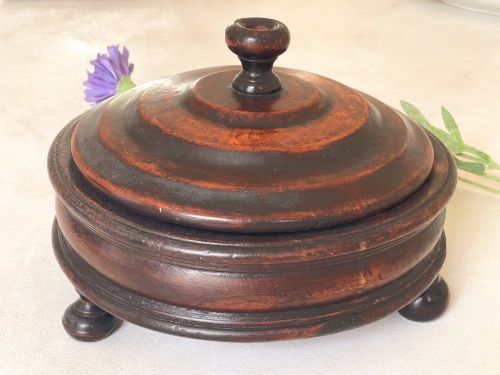
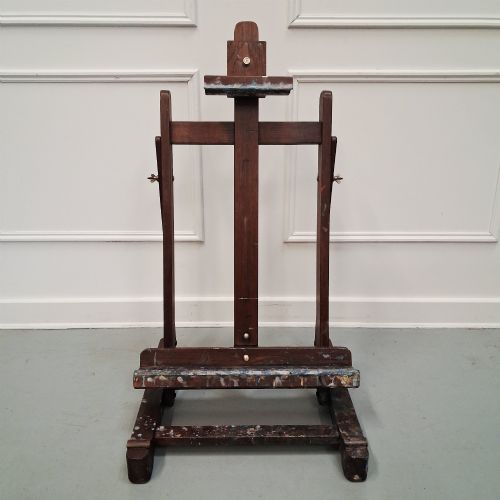
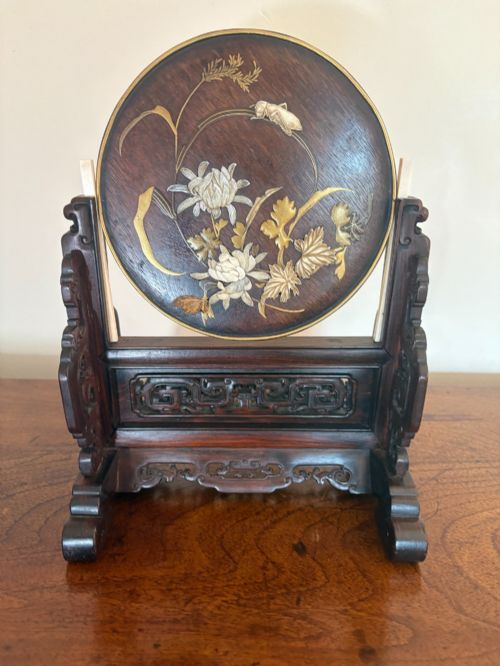
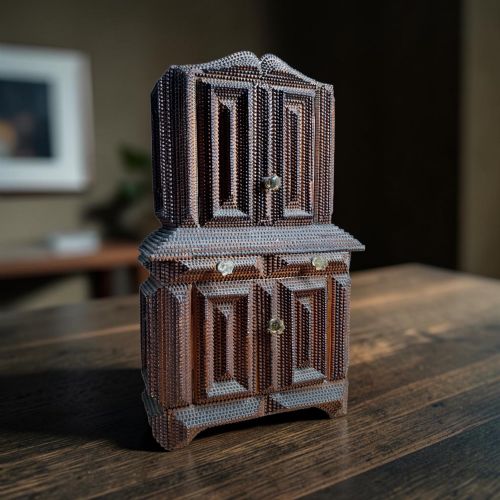
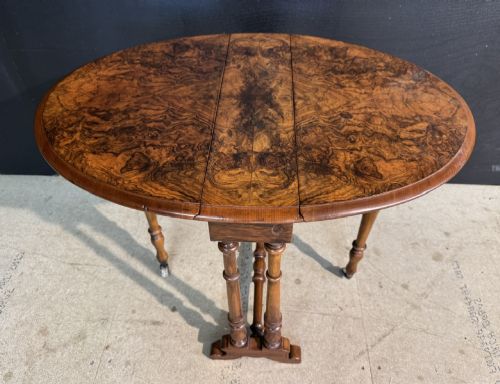
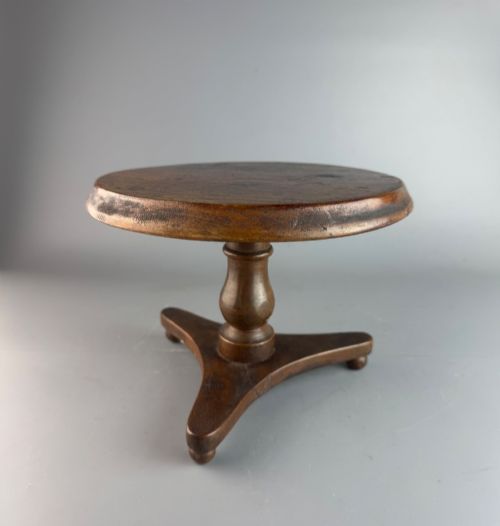
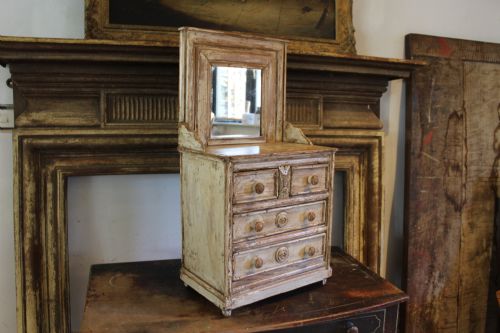
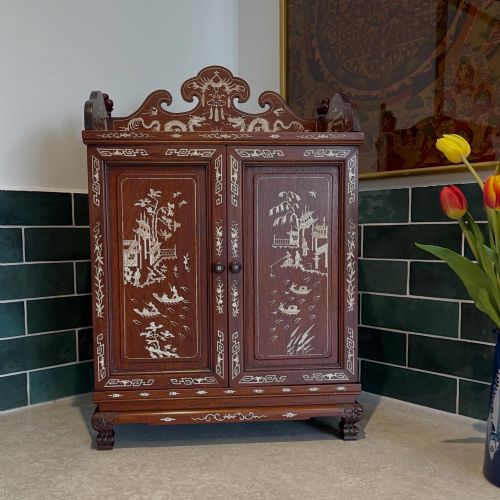
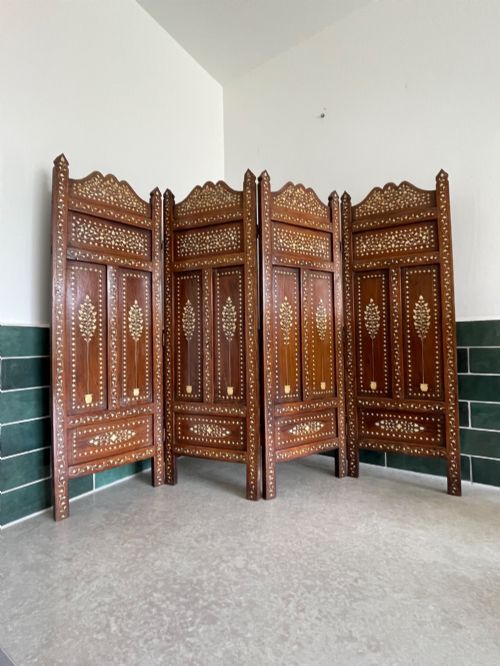
A miniature wood table search yields diminutive furniture, tabletop cabinets, chests of drawers, and decorative screens spanning multiple centuries. The selection frequently includes apprentice pieces, diminutive chests, and small-scale occasional tables built with the same care as domestic furniture.
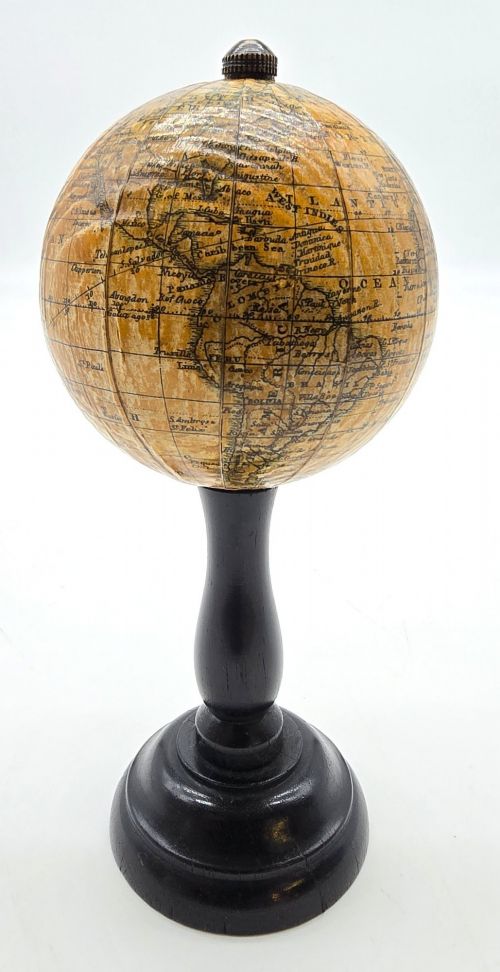
Examples range from seventeenth-century Flemish cabinets to nineteenth-century apprentice pieces and twentieth-century desks or globes. Buyers encounter diverse regional forms, from French tramp art buffets to English mahogany pieces and Japanese Shibayama screens.
Materials and construction
Craftsmen utilised dense hardwoods including mahogany, walnut, oak, rosewood, and yew, often selecting burr veneers for decorative grain patterns. Secondary additions of brass, glass, ebony, and bronze appear as hardware, stands, or decorative mounts.
Joinery techniques mirror domestic cabinet-making, incorporating dovetailed drawers, turned legs, and intricate marquetry or carving. Pieces rely on traditional hand tools to shape small timbers and assemble complex items like miniature sutherland tables or bracket clocks.
Miniature Wood Table Retail Price Guide 2026
Typical asking prices for miniature wood table among the pieces listed under this phrase on Sellingantiques today, from the lower quarter to the upper quarter. They describe what is for sale here now, not the wider market.
A barrel stands proudly on a Black Forest support, proving that even a miniature beverage cask deserves proper furniture.
Judging quality in miniature pieces
The choice of timber and the restraint of the decoration dictate the distinction between workshop exercises and fine cabinet-making. Superior pieces display harmonious grain matching, crisp carving, and original surface patination without excessive restoration.
Mappin & Webb
The Miniature Wood Table Glossary
- Apprentice piece
- A small-scale item created by a journeyman to demonstrate proficiency to a guild before admission as a master. These items frequently replicate full-size furniture forms with exact detail.
- Treen
- Small handmade wooden household objects valued for their utility and material texture. This term covers treen candlestands and turned wooden items.
- Marquetry
- The art of applying pieces of veneer to a structure to form decorative patterns and pictures. Seventeenth-century German cabinets display this decorative technique.
- Sutherland table
- A narrow drop-leaf table with exceptionally wide leaves that fold down nearly vertically. Miniature versions replicate this functional space-saving design.
- Tabernacle
- An elaborately decorated architectural recess or central compartment within a cabinet interior. Tabletop escritoires occasionally incorporate revolving examples.
Miniature Wood Table: Frequently Asked Questions
What are miniature wood tables used for?
These items served various decorative and functional roles, from apprentice demonstrations to tabletop displays and personal storage. Owners placed them on larger surfaces to hold small valuables, jewellery, or writing instruments.
Today, collectors use them as shelf displays or focal points in cabinet collections, appreciating their capacity to hold small items while occupying minimal floor space.
How do I identify an apprentice piece?
Apprentice pieces often exhibit traditional furniture forms executed at a reduced scale, reflecting the rigorous standards required for guild acceptance. They feature genuine construction methods such as hand-cut dovetails and pegged joints.
Examine the interior joinery and secondary timbers to confirm that the construction matches the exterior period style and regional workshop practices.
How should I care for antique wood miniatures?
Keep these items away from direct sunlight and fluctuating heat sources to prevent the timber from splitting and the veneers from lifting. Maintaining stable indoor humidity protects delicate joints and historical polishes.
Dust gently with a dry, soft cloth and avoid applying modern household polishes that can damage centuries-old finishes and patination.
How do I distinguish eighteenth-century pieces from Victorian items?
Eighteenth-century examples typically employ simpler, structural timbers with hand-carved details and early hardware configurations. The joinery shows the distinct marks of early hand tools and older construction sequences.
Victorian items often introduce more varied exotic woods, mass-produced hardware, or revival styles like George II, alongside machine-sawn elements within the hidden framing.