






Miniature Wood Carving
Miniature wood carving takes many small forms, from apprentice pieces to netsuke, offering intricate detail and craftsmanship that draws the eye.
Miniature Wood Carving
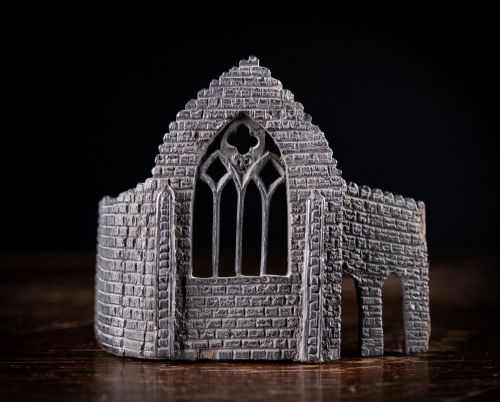
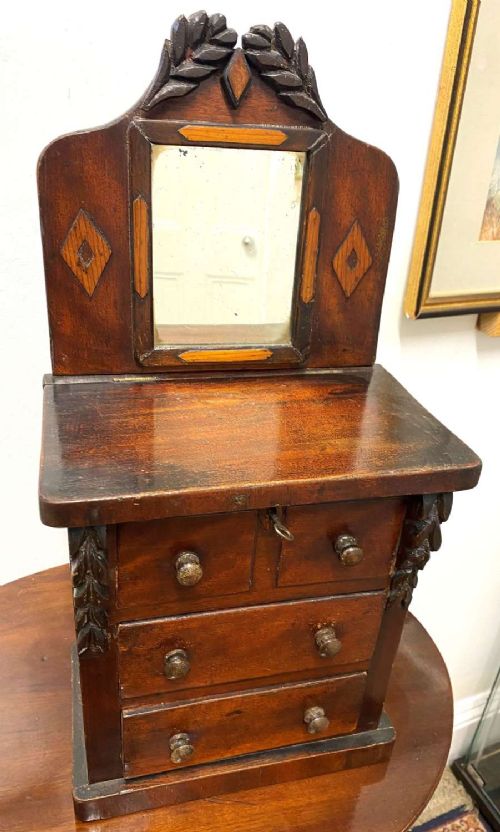
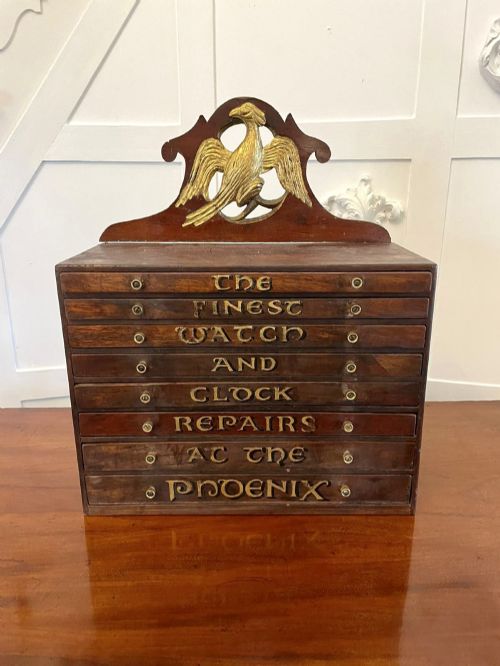
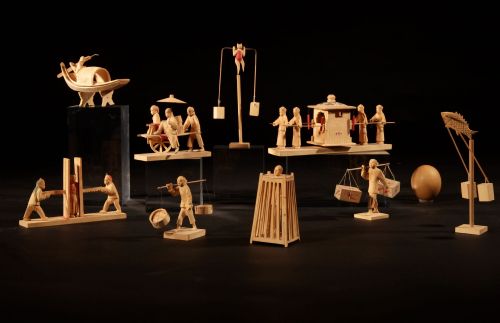
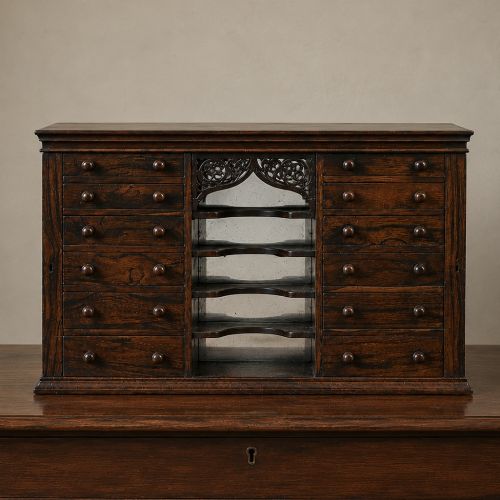
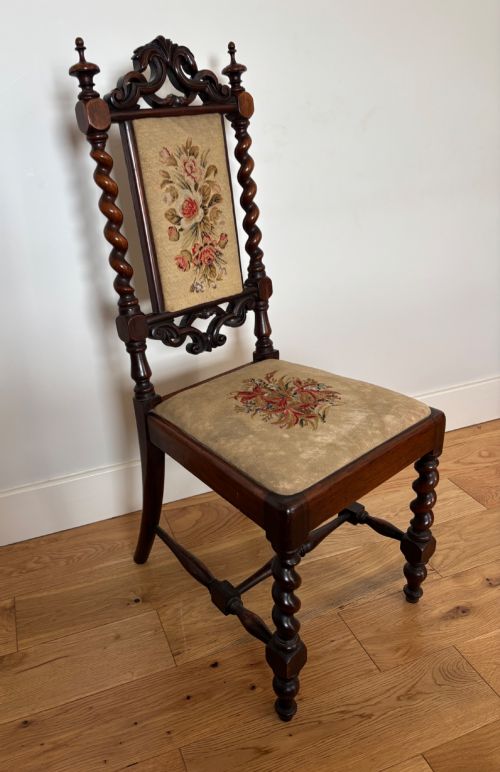
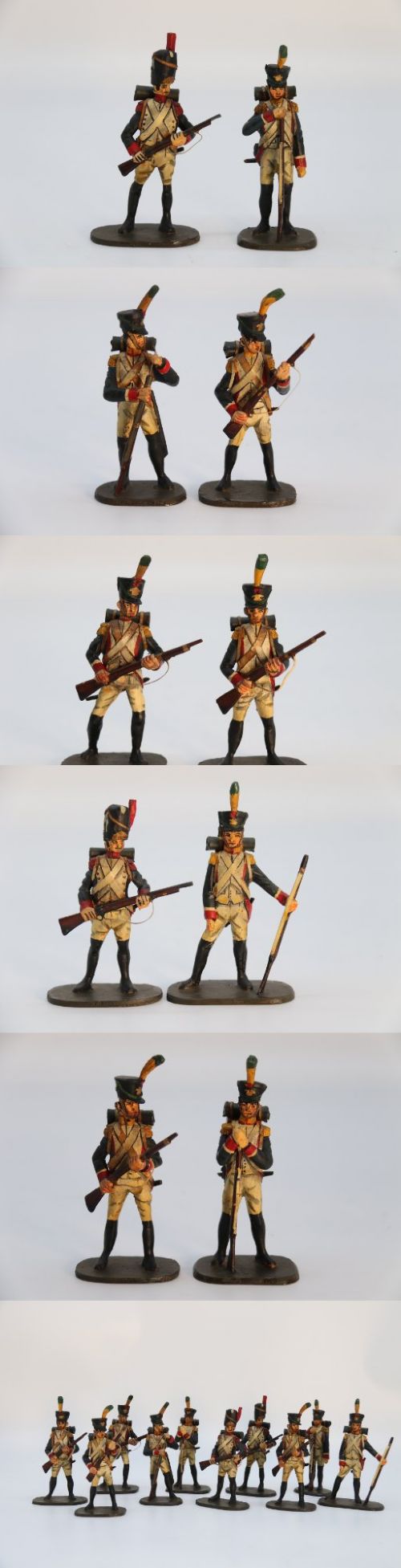
Miniature wood carving spans diverse domestic and decorative objects, encompassing miniature furniture such as chiffoniers, armchairs, and cabinets alongside netsuke and figurative groups.
Pieces frequently emerge from the Victorian era and the 19th century, featuring folk art, Meiji period Japanese works, and Regency styles.
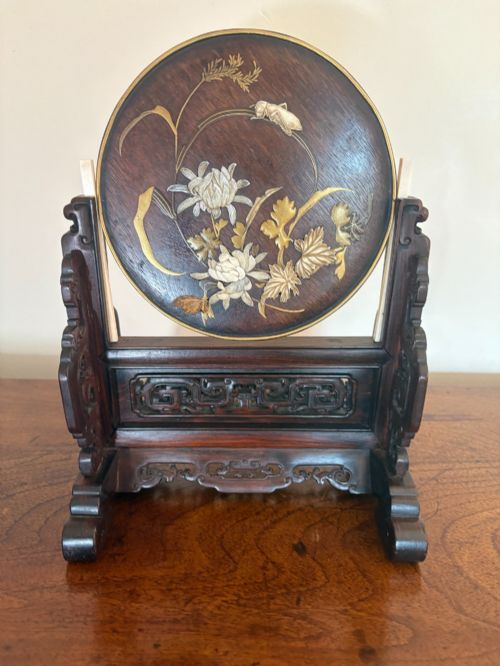
The selection on this page demonstrates how makers scaled down larger domestic furnishings and natural subjects into compact wooden items.
Materials and Technique
Makers utilised dense timbers such as boxwood, rosewood, oak, mahogany, and walnut, which allowed for precise carving of minute details.
Surface treatments included gilding, painting, and ebonised moulding to finish small-scale furniture and figures.
Miniature Wood Carving Retail Price Guide 2026
Typical asking prices for miniature wood carving among the pieces listed under this phrase on Sellingantiques today, from the lower quarter to the upper quarter. They describe what is for sale here now, not the wider market.
Standards of Craft
Quality rests upon the precision of the carving and the fidelity of the miniature scale to full-size prototypes.
Superior examples display crisp detailing in timber such as boxwood or rosewood without loss of structural proportion.
Tomochika·Masayuki
The Miniature Wood Carving Glossary
- Apprentice piece
- A small-scale item created to demonstrate a craftsman's skill before gaining master status. These often mimic full-size furniture.
- Netsuke
- A small carved toggle traditionally used in Japan to secure a small pouch to a kimono sash. They are frequently carved from boxwood.
- Okimono
- A Japanese statuette designed for display rather than practical use. They appear in carved wood or bamboo.
- Tramp art
- Folk art created by self-taught makers using readily available wood, often utilising chip-carving techniques.
- Wellington chest
- A tall narrow chest of drawers secured by a locking side flap. Miniature versions replicate this functional locking mechanism.
Miniature Wood Carving: Frequently Asked Questions
What is a miniature wood carving?
These pieces comprise small-scale wooden objects, from apprentice furniture to netsuke and figurative carvings.
They reflect the domestic and artistic pursuits of periods ranging from the Georgian era to the early 20th century.
How were miniature furniture pieces used?
Apprentice pieces and miniature cabinets served to demonstrate workshop standards or function as salesmen's samples.
Collectors prize them today as intricate examples of period cabinet-making scaled down for display.
How do I identify a Meiji period carving?
Meiji period items often take the form of boxwood netsuke or okimono depicting figures and animals.
They display high precision in wood reduction and occasionally carry artist signatures.
Where should I display these items?
Compact wooden carvings suit placement inside collectors cabinets, on table screens, or on dedicated tabletops.
Their small scale allows them to sit comfortably in studies or drawing rooms alongside larger antiques.