




Miniature Picture Frames
Miniature picture frames house delicate portraits, watercolours, and silhouettes crafted across several centuries.
Miniature Picture Frames
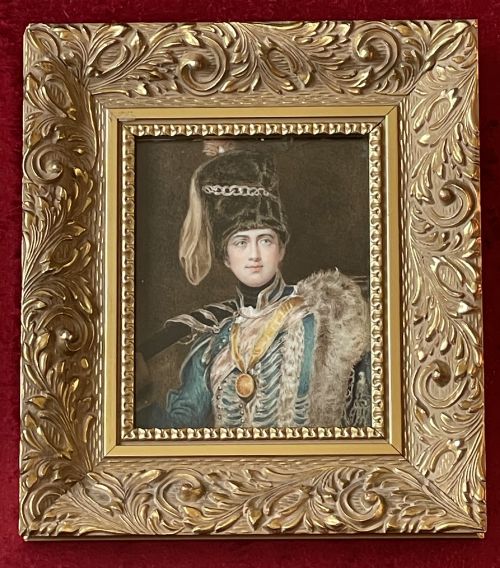
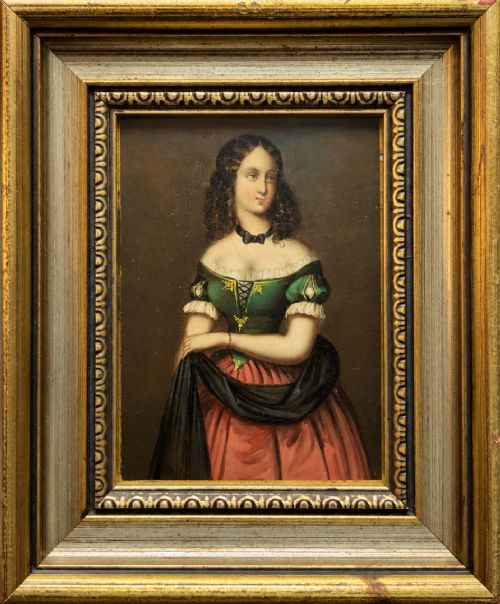
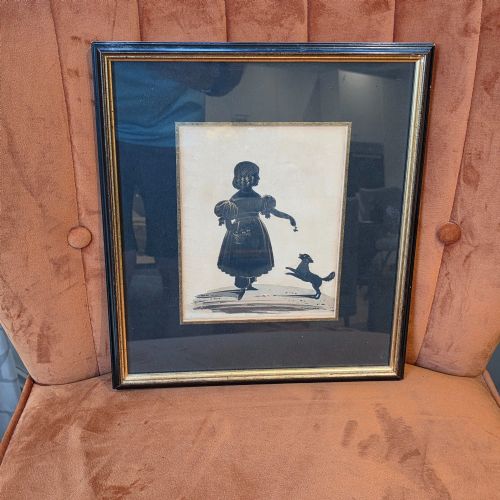
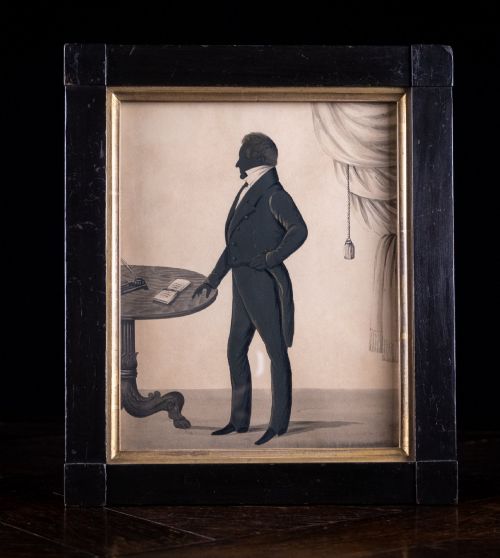
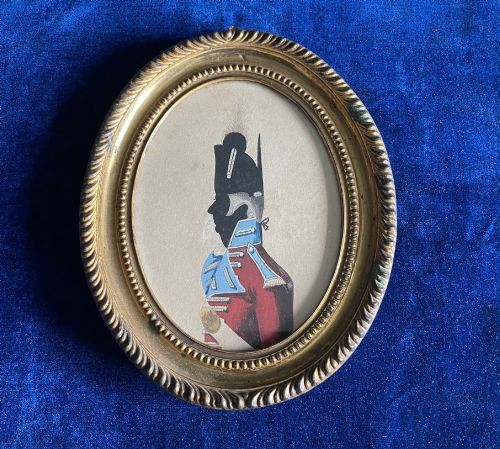
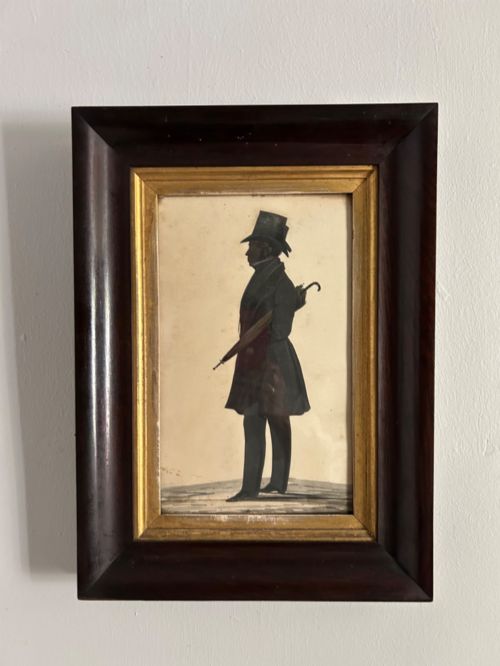
Miniature picture frames enclose small-scale works of art, predominantly portrait miniatures, silhouettes, and watercolour paintings. Collectors search for these items to display intimate likenesses and finely worked decorative pieces that capture centuries of portraiture traditions.
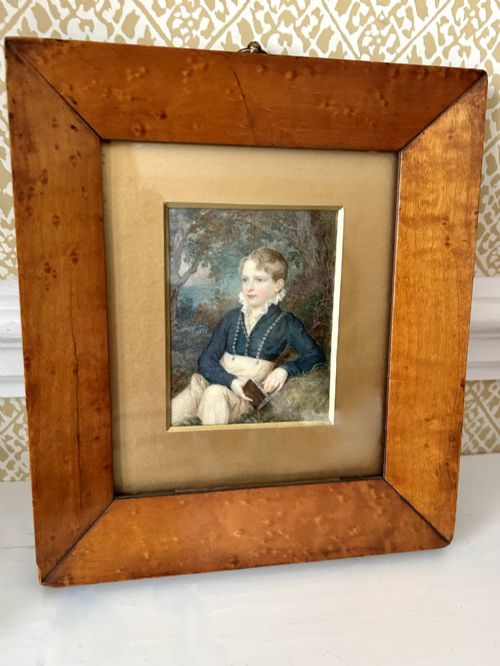
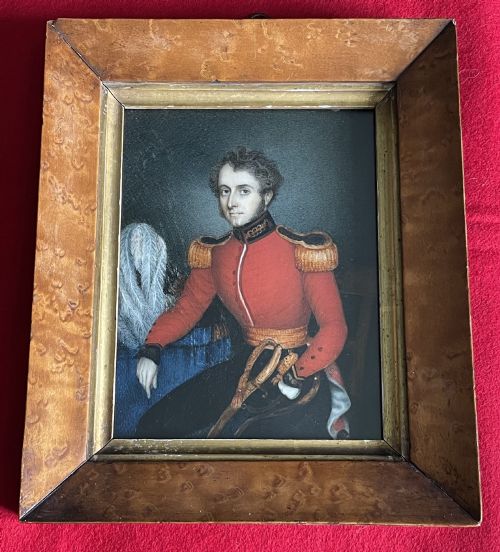
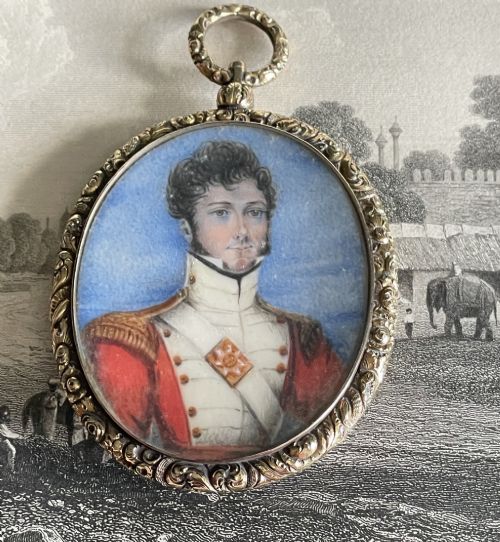
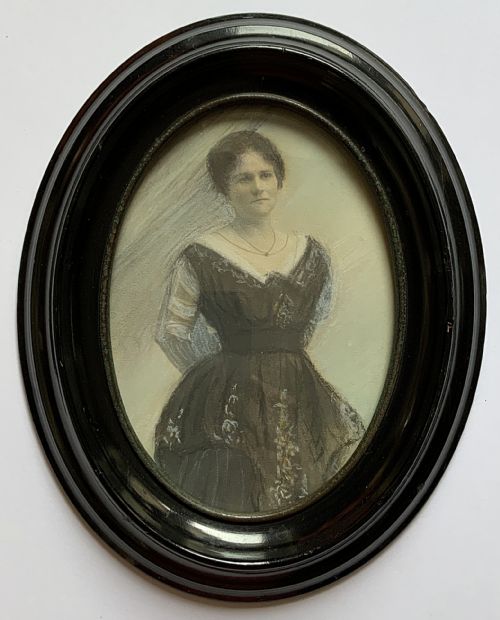
The examples found here span the eighteenth and nineteenth centuries, including Regency, Georgian, and Victorian periods. Most pieces present established formats such as oval mounts, maple surrounds, and gilded wooden housings designed to protect and highlight the artwork within.
Materials and Techniques
Construction relies heavily on traditional woodworking and metalworking techniques suited to small scales. Wood frames utilise timber such as rosewood and maple, frequently complemented by giltwood or cast brass for decorative enrichment.
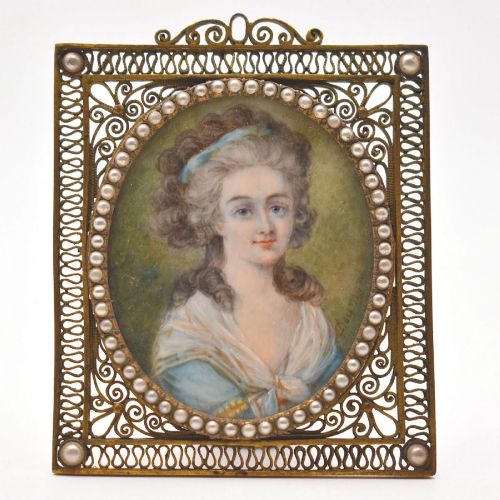
Internal elements combine glass protection with paper, watercolour, enamel, or oil media. Metal components often feature gilt finishes, while specialist frames incorporate seed pearls or miniature stands to support the enclosed artwork.
Miniature Picture Frames Retail Price Guide 2026
Typical asking prices for miniature picture frames among the pieces listed under this phrase on Sellingantiques today, from the lower quarter to the upper quarter. They describe what is for sale here now, not the wider market.
The selection spans the eighteenth century through to the Edwardian period, encompassing Regency and Victorian aesthetic styles.
Assessing Quality and Execution
Quality rests in the precision of the joinery and the harmonious proportion between the frame and the artwork it holds. Superior items demonstrate crisp gilding, stable construction, and materials selected specifically to complement the scale of the enclosed painting or silhouette.
The relationship between the maker's skill in handling delicate substances like gilt metal or polished wood dictates the overall distinction of the piece. Lesser examples show mismatched components or heavy-handed restoration that obscures the original character.
James Ferguson·William James Hubard·Charles Hayter·Frederick Buck·Henry Matthews·George Hargreaves·Thomas Woolnoth
The Miniature Picture Frames Glossary
- Silhouette
- A profile portrait cut from paper or painted onto a surface, often associated with nineteenth-century artists and galleries. These dark images provide stark contrasts against light backgrounds.
- Giltwood
- Timber treated with a thin layer of gold leaf or gesso, commonly utilised in ornate picture frames. This finish adds reflective luminosity to small artworks.
- Portrait miniature
- A highly detailed painting executed on a small scale, frequently housed in a dedicated protective frame. Artists utilised ivory, vellum, or paper as substrates.
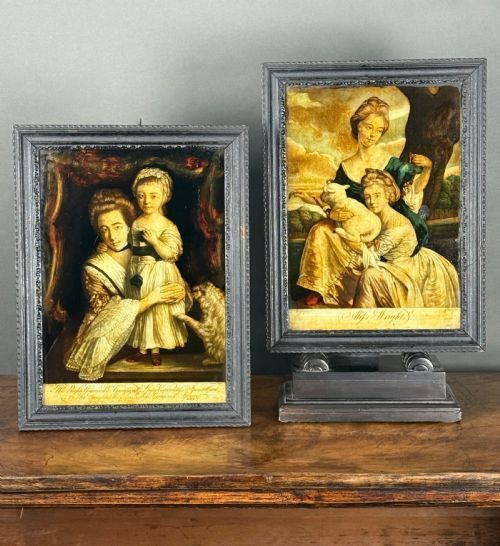
- Reverse glass painting
- An artwork created by applying pigment directly to the back of a glass panel to be viewed from the front. This technique protects the colours from atmospheric damage.
Miniature Picture Frames: Frequently Asked Questions
What is inside a miniature picture frame?
These frames typically contain small portrait paintings, silhouettes cut from paper, watercolours, or enamel plaques. The artworks capture individual likenesses, mythological scenes, and decorative subjects.
Many pieces date from the Georgian and Victorian eras, preserved behind protective glass within bespoke wooden or metal surrounds.
How do I date a miniature frame?
Dating relies on stylistic clues, framing materials, and construction techniques characteristic of periods like the Regency or Victorian era. Maple surrounds and specific brass fittings often point to distinct decades.
Signatures or artist attributions noted on the reverse or within the mount also provide reliable chronological markers.
How were these frames displayed originally?
Owners placed miniature frames on dressing tables, mantelpieces, or hung them closely together in intimate grouping arrangements on walls. Some incorporate folding stands for tabletop display.
Their portable nature allowed individuals to carry likenesses of family members during travels.
What materials make up these frames?
Common materials include maple, rosewood, and giltwood, alongside cast brass and gilt metal components. Interior elements often feature glass panes and paper mats.
Finer examples incorporate specialist decorative touches such as seed pearls or velvet linings to accentuate the artwork.