





Millinery Display Stand
These millinery display stand pieces are practical shop fittings and workroom forms that hold hats and wigs securely.
Millinery Display Stand
A millinery display stand serves the dual purpose of supporting headwear in retail environments and shaping hats in maker workrooms. When searching for a millinery display stand, you encounter items ranging from utilitarian shop fixtures to carved wooden forms.
The selections span distinct periods from the eighteenth century through to the 1930s. You find Georgian mahogany wig stands alongside 1920s beech hat blocks and early twentieth-century brass and cast iron draper's fittings.
Forms include dedicated wig stands, hat stretchers, sizers, and sculptural carved folk art heads. Materials vary from fruitwood and yew wood to brass, cast iron, and oak.
Materials and Construction
Metal elements incorporate brass and cast iron, often utilised for adjustable countertop stands and supportive bases. Fabric and carved elements appear in specific folk art pieces and upholstered forms designed for delicate millinery.
Millinery Display Stand Retail Price Guide 2026
Typical asking prices for millinery display stand among the pieces listed under this phrase on Sellingantiques today, from the lower quarter to the upper quarter. They describe what is for sale here now, not the wider market.
Some early twentieth-century examples feature hand-carved folk art wooden heads with distinct expressions, watching over the room.
Assessing Quality and Character
Original patina and surface wear indicate genuine age and workshop use. Refurbished brass fittings and altered timber bases distinguish heavily restored examples from those retaining their initial shop floor condition.
The Millinery Display Stand Glossary
- Hat block
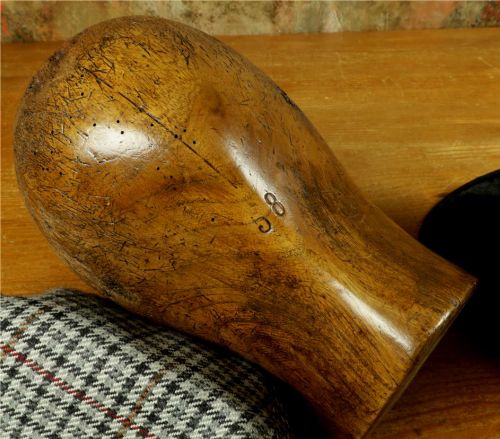
- A wooden form used by milliners to shape and size hats during creation. These blocks often double as display pieces due to their sculptural forms.
- Wig stand
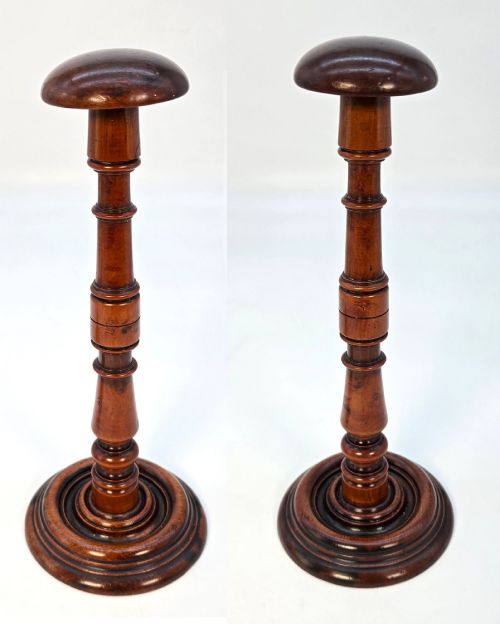
- A pedestal designed to hold wigs or headwear safely when not in use. Early examples frequently employ turned timber.
- Hat stretcher
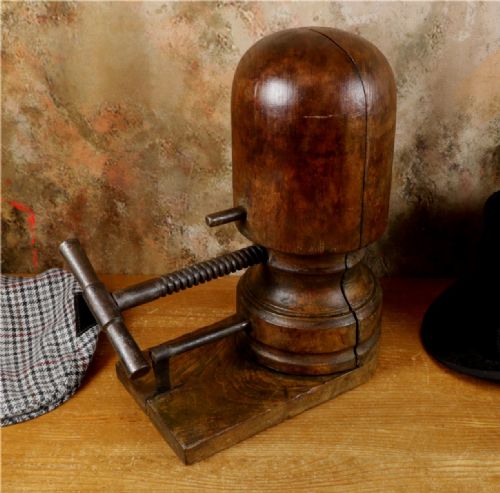
- A mechanical device inserted into a hat to increase or maintain its inner circumference. They typically feature wooden sections expanded via a central screw mechanism.
- Haberdashery
- Items and fittings associated with the trade in clothing accessories and sewing materials. Stand fittings from this trade often display robust industrial construction.
Millinery Display Stand: Frequently Asked Questions
What is a millinery display stand?
A millinery display stand is a supportive fixture historically used in hat shops and maker workshops to hold headwear.
These pieces support hats for retail presentation or act as forms during the manufacturing process.
How were old hat stands used?
Shopkeepers utilised them on countertops to showcase seasonal millinery to customers. Makers also employed wooden forms and blocks to shape hats during construction.
They kept headwear elevated and prevented brims from bending or distorting.
How do I date a display stand?
Dating relies on material selection, turning styles, and construction methods. Georgian and eighteenth-century pieces often feature mahogany or yew wood with traditional joinery.
Later items from the 1920s and 1930s utilise cast iron, brass, and machine-turned beech associated with twentieth-century shop fittings.