





Millinery Block Stand
These millinery block stand pieces are practical workshop survivors that double as sculptural objects for the modern interior.
Millinery Block Stand
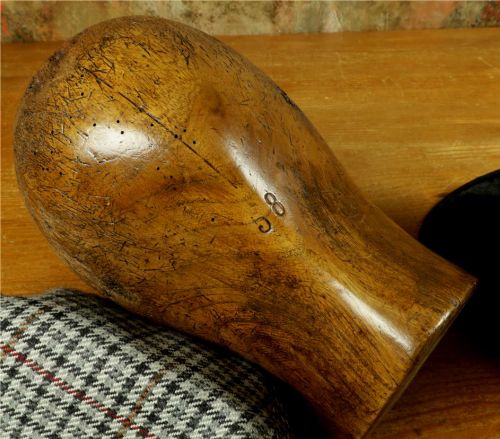
When you search for a millinery block stand, you are looking at utilitarian workshop tools that were originally shaped to make, store, or display hats and wigs. These objects trace their origins from the 18th Century through the Georgian period and into the 1900s, 1910, and 1920s.
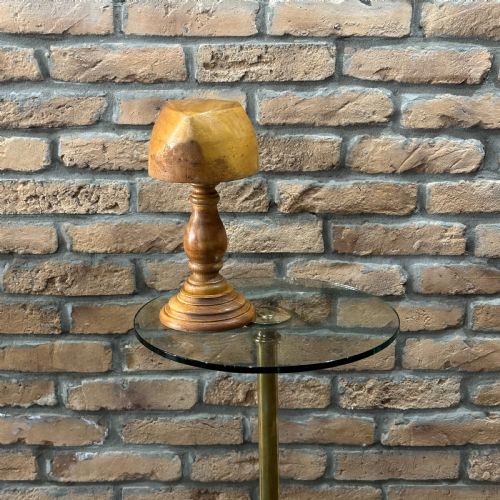
The versions you are most likely to meet on this page include hat blocks, wig stands, hat stretchers, and millinery forms. They appear in styles such as Georgian, French Provincial, Victorian Industrial, Industrial Haberdashery, Traditional Haberdashery, Folk Art, and 1920s Art Deco.
How they were made
Makers shaped these pieces from a variety of timbers including wood, fruitwood, yew wood, hardwood, oak, walnut, and beech. The grain and density of these specific woods determined how well the forms withstood daily pinning and shaping in the workshop.
Metal components also appear, utilising iron and cast iron for structural support and adjustable mechanical parts on stretchers and stands. This combination of timber and metal reflects the heavy-duty requirements of trade haberdashery.
Millinery Block Stand Retail Price Guide 2026
Typical asking prices for millinery block stand among the pieces listed under this phrase on Sellingantiques today, from the lower quarter to the upper quarter. They describe what is for sale here now, not the wider market.
Materials recorded across these items include yew wood, walnut, fruitwood, oak, beech, and cast iron.
What varies in quality
The distinction between ordinary workshop tools and finer examples lies in the sculptural ambition of the carving and the choice of timber. Pieces carved in yew wood, walnut, or detailed folk art styles demonstrate a higher level of artisan engagement than utilitarian beech or basic pine blocks.
Surface patination also separates pieces, as decades of handling, wax, and dye create a rich tactile depth. Retaining original metal adjusting mechanisms or stable turned pedestals elevates the standing of an individual form.
The Millinery Block Stand Glossary
- Hat block
- A solid wooden form carved to the exact shape and size of a specific head crown for shaping millinery. These were essential tools in every traditional hat maker's workshop.
- Wig stand
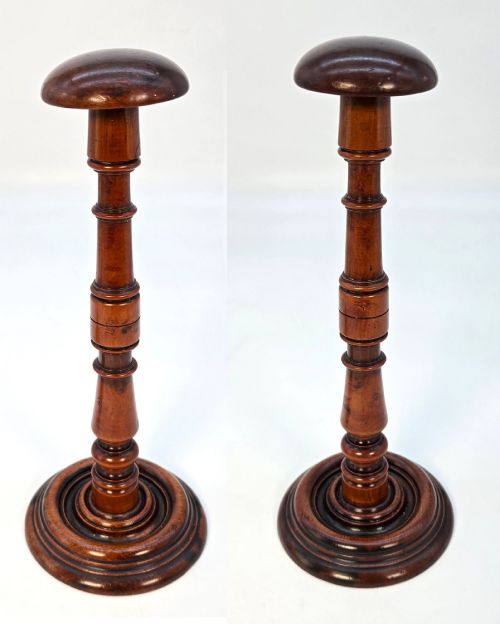
- A turned wooden pedestal designed to support and display wigs or headpieces when not in use. They often feature a circular base and a bulbous upper terminal.
- Hat stretcher
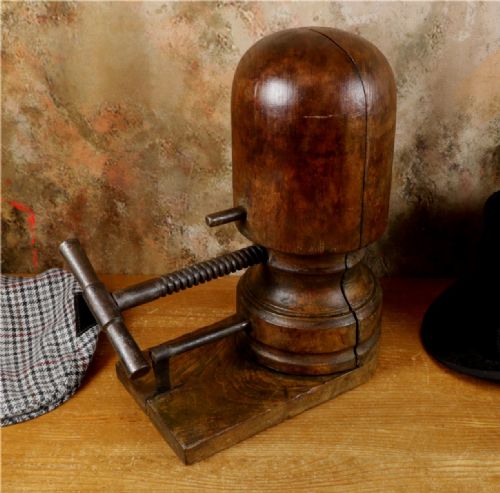
- A mechanical wooden tool inserted into hat bands to expand or adjust the circumference. They combine wooden expansion segments with internal iron threaded rods.
- Folk art style
- An informal aesthetic created by self-taught or provincial makers who focused on expressive carving rather than strict academic proportions. These pieces often show direct, unpretentious tool marks.
- Fruitwood
- Dense timber sourced from fruit-bearing trees such as pear or apple, prized by turners for its fine grain and smooth finish. It was frequently used in French provincial workshops.
Millinery Block Stand: Frequently Asked Questions
What is a millinery block stand used for?
These items were originally utilised by hatters and wig makers to construct, shape, and store headwear.
Today, collectors use them primarily as decorative sculptural objects to display hats, scarves, or wigs in domestic interiors.
How do I date a wooden hat block?
Dating relies on examining the timber species, tool marks left by hand or early machinery, and the overall style of the turning.
Earlier pieces from the 18th Century and Georgian era often display hand-turned construction and native hardwoods like yew or walnut.
Are these hat blocks made of solid wood?
The listings here consist of solid timbers such as oak, fruitwood, beech, and yew wood rather than manufactured boards.
Some mechanical stretchers also incorporate iron or cast iron components for their adjustable framework.
How do I clean and maintain a vintage hat block?
Maintain the surface simply by dusting with a dry cloth and occasionally applying a gentle wax to nourish the aged wood.
Avoid using harsh chemical cleaners or water, which can strip the historical patination accumulated from decades in the workshop.