



Mid Century Tableware
Mid century tableware spans silver plated coasters, condiment sets, and servers that bring clean lines and functional elegance to the dining table.
Mid Century Tableware
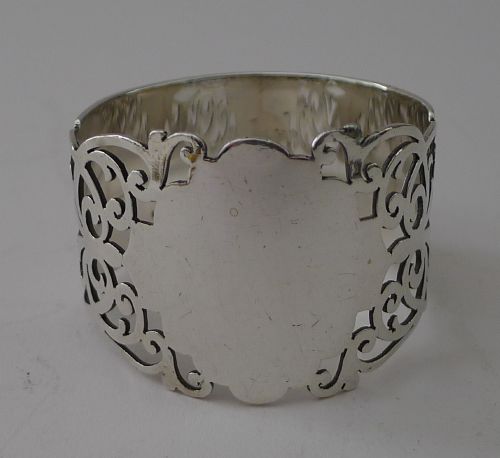
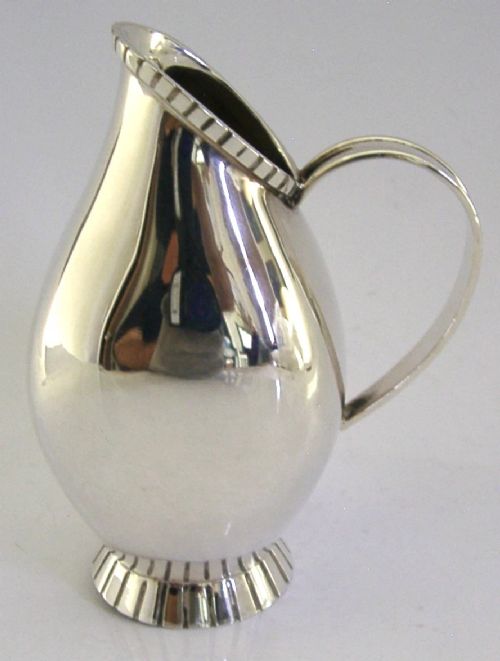
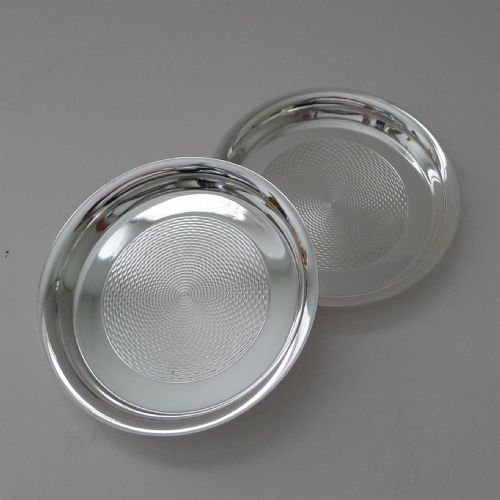
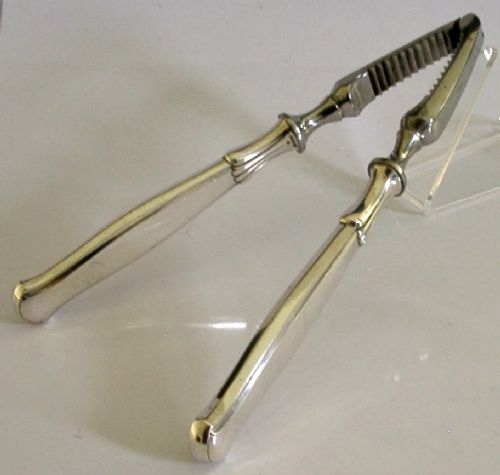
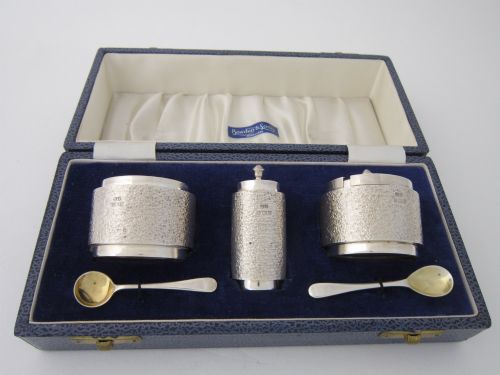
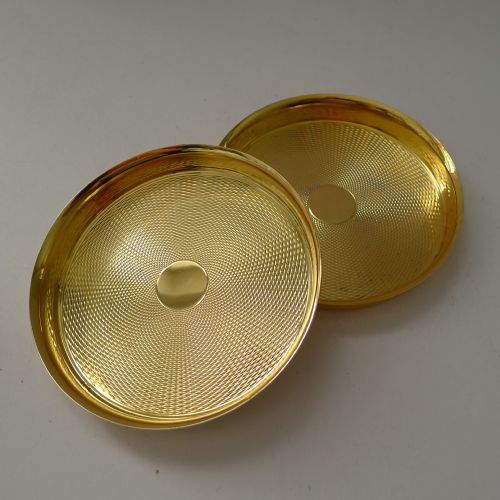
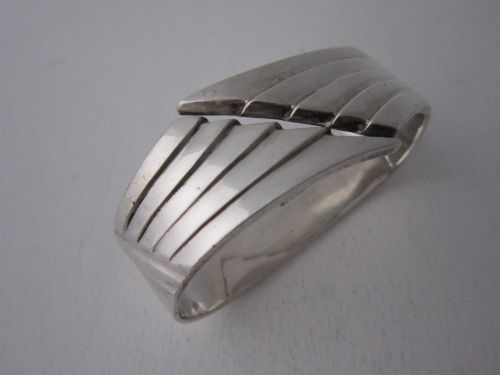
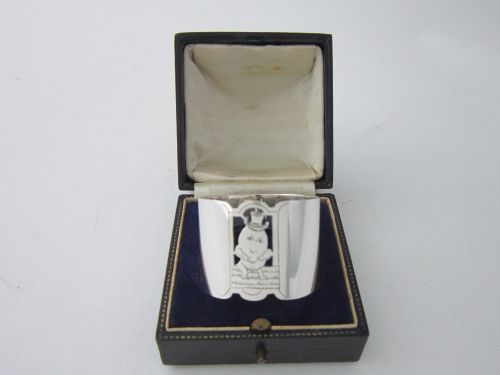
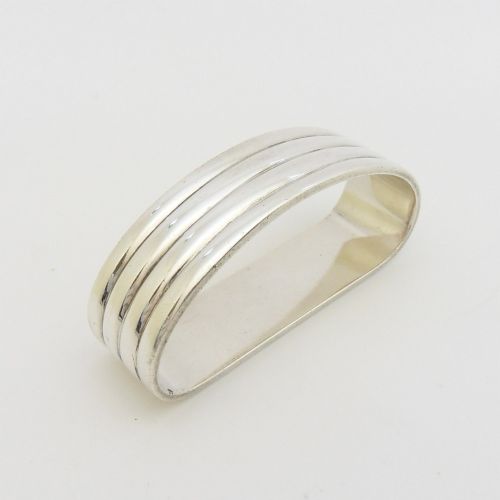
Mid century tableware covers a diverse group of dining accessories, ranging from napkin rings and coasters to sauce boats and butter dishes. While the search points toward mid century modern designs from the 1940s, 1950s, and 1960s, the selection also includes earlier Victorian, Georgian, and eighteenth-century pieces. Buyers frequently encounter silver plated coasters, sterling silver condiment sets, and specialised items like nutcrackers and sugar tongs.
The objects stem from various origins, including British, Danish, German, French, and American makers. Styles stretch from mid-century modern and Danish modern to Victorian neoclassical and art nouveau. This mix allows collectors to pair modernist silver plated candlesticks with traditional bone china sauce tureens or free-blown crystal glass ice plates.
Distinctions in quality
Quality rests upon the weight of the metal, the clarity of the maker's mark, and the crispness of decorative detailing. Pieces by established houses demonstrate superior execution in joints, hinges, and surface finishes compared to unmarked or mass-produced alternatives. The retention of original gilding, enamel, or silver plating also separates better-preserved examples from those showing heavy wear.
Maker attribution elevates certain pieces, particularly when accompanied by clear hallmarks or stamps from recognised firms. The integrity of materials, such as heavy sterling silver versus thin silver plate, dictates the longevity and tactile feel of each item on the table.
Mid Century Tableware Retail Price Guide 2026
Typical asking prices for mid century tableware among the pieces listed under this phrase on Sellingantiques today, from the lower quarter to the upper quarter. They describe what is for sale here now, not the wider market.
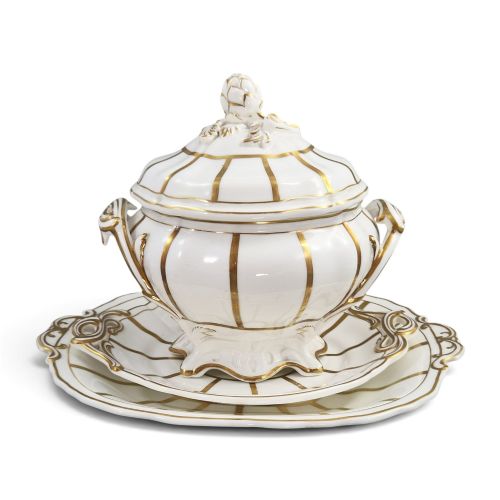
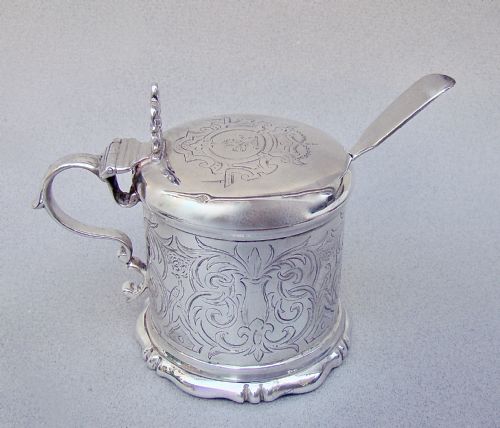
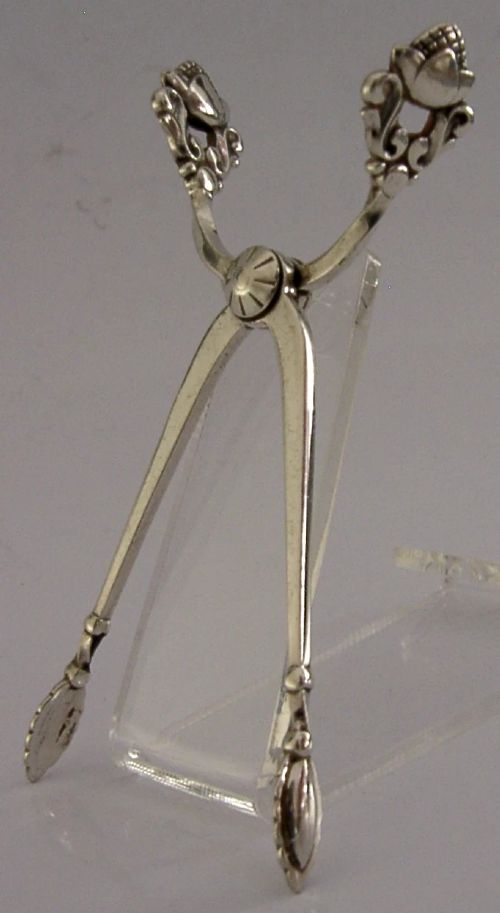
Object forms include functional dining pieces such as sugar tongs, mustard pots, sauce tureens, and butter dishes with matching knives.
Hermès Paris·Elizabeth II·R. E. Stone·Davenport·Charles & George Fox·Georg Jensen·Tiffany & Co·JC Moore·Christofle·Liberty & Co·Adie Brothers·Walker and Hall
The Mid Century Tableware Glossary
- Sterling silver
- An alloy consisting of ninety-two point five percent silver by mass and seven point five percent other metals, usually copper. This standard ensures durability while maintaining the lustre of pure silver.
- Vermeil
- Sterling silver that has been plated with a thin layer of gold. It combines the structural integrity of silver with the rich appearance of gold gilt.
- Condiment set
- A matched group of small vessels designed to hold seasonings like salt, pepper, and mustard at the dining table. These often include matching spoons and glass liners.
- Sauce boat
- A ceramic or metal vessel with a lip and handle used for serving gravies or sauces. They frequently sit upon an attached or matching undertay.
- Bone china
- A type of porcelain composed of bone ash, feldspathic material, and kaolin. It is known for high levels of whiteness and translucency.
Mid Century Tableware: Frequently Asked Questions
How do I clean vintage silver tableware?
Cleaning vintage silver requires a gentle approach to preserve hallmarks, plating, and delicate finishes like gold gilt or enamel. Use a soft cloth and a specialised silver cleaner designed to remove tarnish without abrading the metal.
Avoid abrasive sponges or harsh chemical dips, particularly on vermeil or enamel pieces, to maintain the original surface integrity over years of use.
Can I use these silver pieces daily?
Many silver and plated items are sturdy enough for regular dining use, provided they receive proper care and hand washing after meals. Solid sterling silver and thick silver plate handle everyday service well.
Items featuring delicate enamel, gold-gilt, or delicate crystal glass benefit from more careful handling and should be kept away from dishwashers to prevent surface damage.
How do I identify the maker of a piece?
Makers are typically identified through hallmarks, maker's marks, or engraved signatures stamped onto the metal or glazed onto the base of ceramic items. These marks often include initials, symbols, or city assay office stamps.
Reference marks against historical records to determine the specific workshop, silversmith, or pottery responsible for crafting the object.