




Mid Century Silver Tray
These mid century silver tray options bring clean lines and polished metalwork to a room, offering both function and decorative weight.
Mid Century Silver Tray
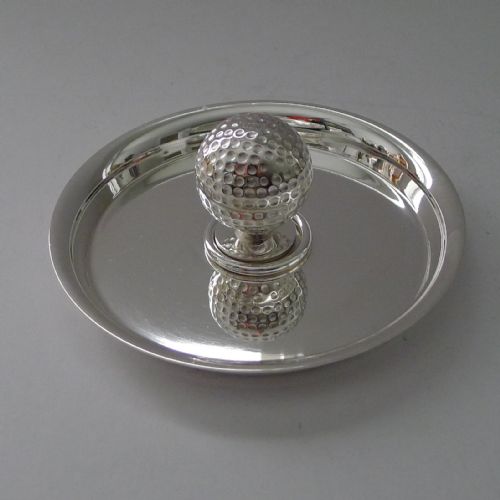
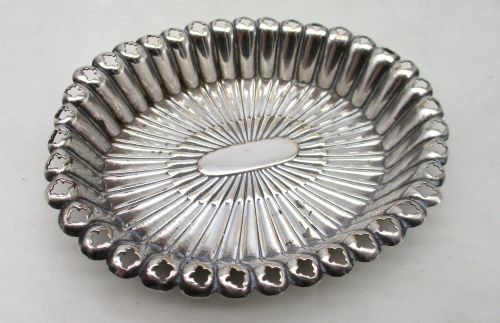
A mid century silver tray is a functional serving or display piece, typically originating from the middle decades of the twentieth century in silver plate or sterling silver. Buyers searching for a mid century silver tray will encounter items ranging from compact pin dishes and vide poche forms to larger serving trays designed with modernist influences.
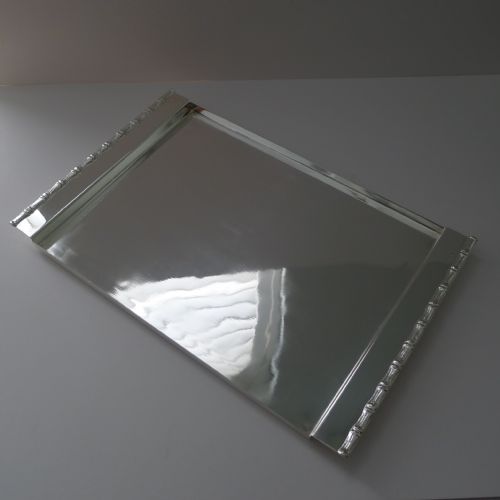
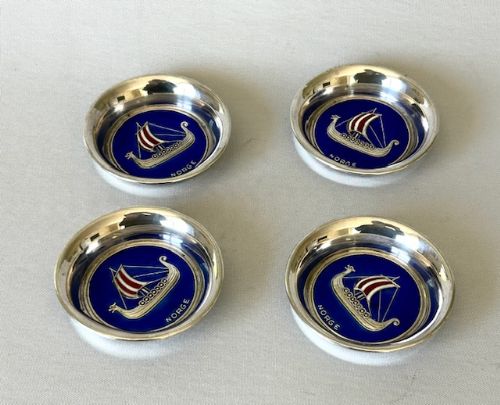
The selection includes specific designer examples from makers such as Hermes, alongside Norwegian silver and enamel pin dishes and Italian modernist trays with bamboo handles. Alongside twentieth-century items, the broader category encompasses earlier Georgian silver display tables and eighteenth-century Old Sheffield plate, showing how domestic serving forms evolved across periods.
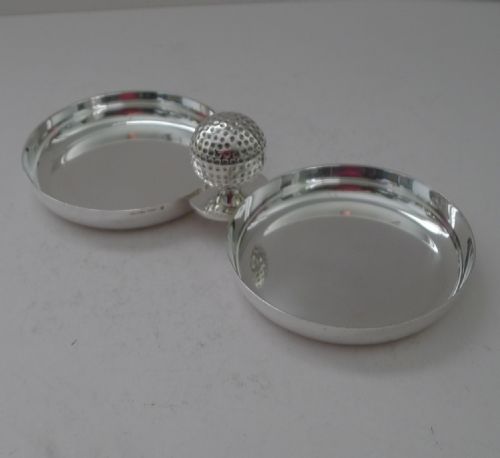
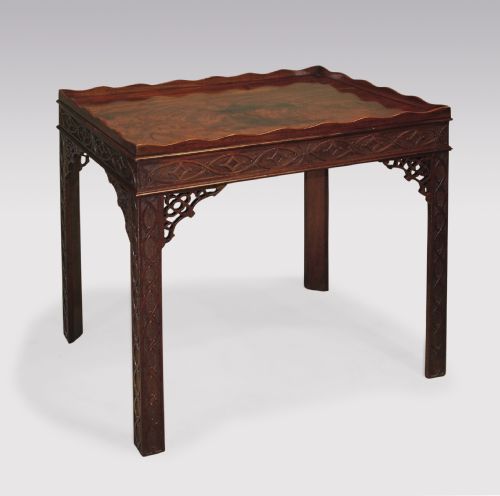
Forms span small valet trays, cocktail trays, and novelty horse head dishes, reflecting mid-century interior aesthetics. While twentieth-century pieces dominate the modernist and Scandinavian styles, earlier Georgian and Chippendale mahogany silver tables also appear within the evidence.
How they were made
Construction relies heavily on silver plate and sterling silver, often combined with enamel work or supported by mahogany frames in the case of display tables. Metals like copper and paktong provide alternative basemetals for chamber candlesticks and smaller vessels from the eighteenth century.
Techniques range from the crisp shaping of modernist Italian silver plating to traditional silversmithing methods used for Norwegian enamel pin dishes and Georgian presentation tables. Surface finishes include polished reflective planes, applied bamboo-form handles, and detailed enamel coloration.
Mid Century Silver Tray Retail Price Guide 2026
Typical asking prices for mid century silver tray among the pieces listed under this phrase on Sellingantiques today, from the lower quarter to the upper quarter. They describe what is for sale here now, not the wider market.
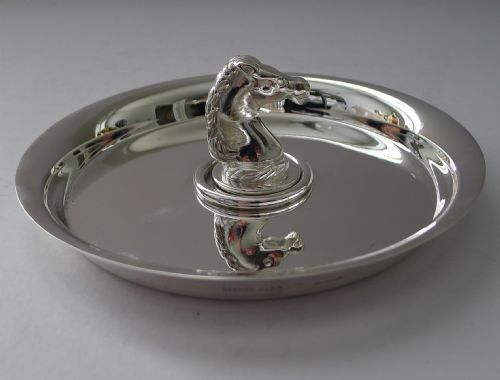
Among the small dishes and cocktail trays, a pair of novelty horse head vide poche trays stands ready to stable your loose pocket change.
What varies in quality
Quality in a mid century silver tray is determined by the clarity of the design execution, the integrity of the base metal or silver plate, and the presence of identifiable maker attribution. Pieces featuring specialised enamel work or designer provenance command greater attention for their distinct material execution.
The crispness of modernist lines, the weight of the metal in the hand, and the preservation of surface detail distinguish standard production items from finer studio or retail house pieces. Earlier examples vary according to the survival of original plating and the precision of joinery in associated frames.
Hermes Paris·Ralph Lauren·Maria Pergay·Liberty And Co
The Mid Century Silver Tray Glossary
- Vide poche
- A small tray or shallow dish designed for emptying pockets of loose items like keys and coins. These items frequently appear in mid-century French and Parisian designs.
- Old Sheffield plate
- A composite material formed by fusing a thin sheet of silver to a thicker copper base, common in eighteenth-century manufacturing. This technique predates modern electroplating methods.
- Paktong
- A copper-nickel-zinc alloy originating from China, valued in the eighteenth century for its bright, silvery appearance and durability in candlesticks and small items.
- Silver plate
- A base metal substrate coated with a thin layer of silver through electroplating or older fusion methods. It provides the visual quality of solid silver at a different scale of production.
- Chippendale
- A mid-eighteenth-century English furniture style named after designer Thomas Chippendale, characterised by rococo influences, carved mahogany, and elaborate fretwork.
Mid Century Silver Tray: Frequently Asked Questions
What is a vide poche used for?
A vide poche functions as a small catch-all tray placed in hallways or living spaces to hold daily pocket contents such as keys, coins, and small accessories. These shallow dishes combine practical organisation with decorative tabletop appeal.
Mid-century designers often shaped these trays in novel forms, making them decorative objects in their own right when not in active use.
How do I identify mid-century silver items?
Mid-century pieces typically display streamlined modernist aesthetics, Scandinavian influences, or distinctive industrial forms from the nineteen-fifties and nineteen-sixties. They often incorporate alternative materials like enamel alongside silver plate.
Maker marks, stylistic cues, and design patents help anchor pieces to this mid-twentieth-century window, separating them from earlier Georgian or Victorian precedents.
What is Old Sheffield plate?
Old Sheffield plate is an early form of composite metal made by fusing silver onto a copper core before shaping the piece. This technique creates a durable layered structure visible upon close inspection of edges.
Items utilising this process belong to the eighteenth century, preceding the invention of nineteenth-century electroplating methods.
How do I style a serving tray?
A serving tray can anchor a collection of glassware on a side table or organise small accessories on a dressing surface. The tray provides a defined boundary that brings visual order to scattered tabletop items.
Larger serving formats pair well with wooden display tables, while smaller pin dishes suit entryways and desks.