



Mid Century Silver Flatware
Mid century silver flatware brings together clean modernist lines and traditional dining elegance, offering both everyday utility and striking table service.
Mid Century Silver Flatware
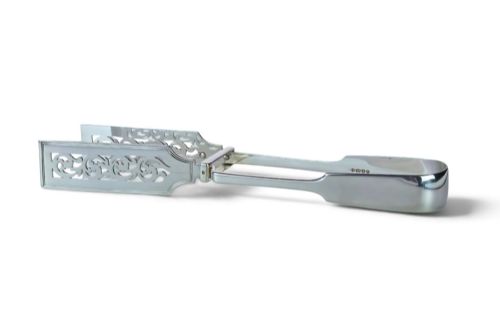
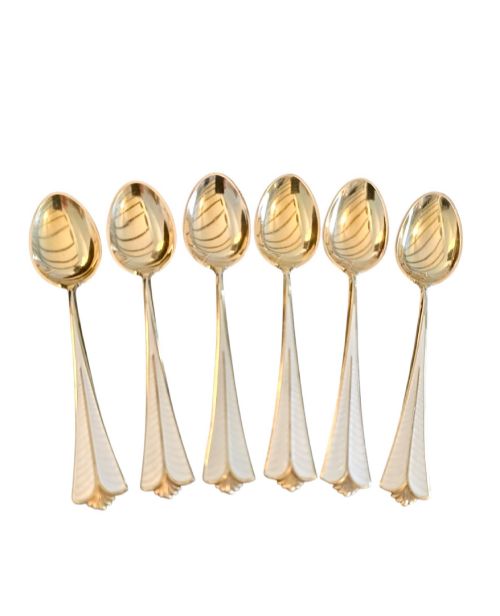
When you search for mid century silver flatware, you encounter a selection spanning the periods from the 1950s and 1960s alongside earlier foundational styles like George II, 18th century, and 1850s campaign pieces. The core of what is available centres on functional dining utensils including teaspoons, dessert spoons, serving cutlery, tea caddy spoons, and sugar tongs.
The forms range from Danish sterling silver designs and Dutch solid silver spoons to French silver-plated dessert spoons and campaign cutlery sets. Alongside pure mid-century modern aesthetics, the selection includes Georgian and Art Nouveau influences that broaden the visual scope of these metal tablewares.
Materials and construction methods
The pieces rely primarily on sterling silver, solid silver, and silver plate, often paired with stainless steel for functional cutting edges or combined with gold gilt, enamel, and horn. Craftsmanship involves traditional silversmithing techniques, including cast silver and intricate handling.
Surface decoration ranges from the smooth, minimalist forms of mid-century modern design to the colourful additions of enamel work and the rich texturing of gold gilt finishes on Danish and Dutch items.
Mid Century Silver Flatware Retail Price Guide 2026
Typical asking prices for mid century silver flatware among the pieces listed under this phrase on Sellingantiques today, from the lower quarter to the upper quarter. They describe what is for sale here now, not the wider market.
Listings for mid century silver flatware include items incorporating enamel, horn, and gold gilt alongside traditional sterling silver.
Distinctions in quality and execution
Quality separates objects by the integrity of their material weight, such as heavy solid silver versus lighter silver plate, and the precision of the silversmith's cast work. Maker attribution, particularly pieces associated with prominent silversmiths like Georg Jensen or Christofle, elevates the standing of individual items.
The sophistication of decorative elements, such as detailed enamel work, integrated horn components, or precise mid-century modern shaping, distinguishes standard production pieces from finer design-led examples.
Georg Jensen·Christofle
The Mid Century Silver Flatware Glossary
- Sterling silver
- A silver alloy containing 92.5 percent pure silver and 7.5 percent other metals, usually copper, chosen for durability.
- Silver plate
- A base metal coated with a thin layer of pure silver through an electrochemical or mechanical process.
- Silver gilt
- Silver that has been coated with a thin layer of gold on its surface, creating a two-tone effect.
- Tea caddy spoon
- A specialised short-handled spoon designed for measuring loose tea leaves from a caddy.
- Sugar tongs
- Small spring-handled utensils used for picking up and serving lump sugar.
Mid Century Silver Flatware: Frequently Asked Questions
How do I care for silver flatware?
Silver flatware requires gentle hand washing with mild soap and warm water immediately after use to prevent tarnishing from food acids.
Storing pieces in anti-tarnish cloth wraps or lined boxes helps preserve the polished finish and protects metal and enamel surfaces.
Can I use silver-plated cutlery daily?
Silver-plated cutlery handles daily dining well provided it is washed by hand rather than run through an abrasive dishwasher cycle.
Regular gentle use helps maintain a natural patina while avoiding excessive wear to the underlying base metal.
What is the difference between sterling and plate?
Sterling silver consists of solid metal alloyed to a specific purity standard throughout the entire thickness of the object.
Silver plate applies a thin layer of pure silver over a base metal core, which can wear down over extended periods of heavy use.