



Mid Century Italian Glass
Mid century italian glass brings vibrant colour and master craftsmanship into a room, offering striking decorative bowls, lamps and vases.
Mid Century Italian Glass
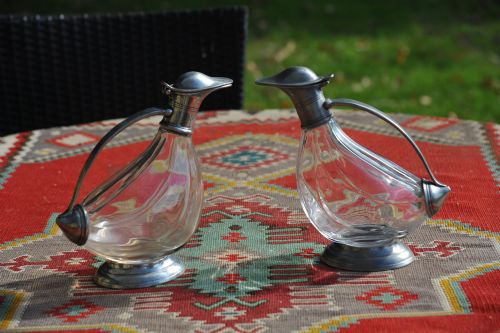
Mid century italian glass encompasses decorative vessels, lamps and sculptural objects originating from Italy during the twentieth century. The selection on this page ranges from blown glass vessels and handkerchief vases to iridescent glass figures and pendant lights. Buyers will encounter various forms spanning from the 1920s through to the 1960s, reflecting the evolution of Italian design during this period.
Objects attributed to prominent design houses sit alongside diverse lighting and decorative pieces made from Murano glass and crystal. Forms include decorative bowls, scent bottles, and table lamps that showcase the versatility of Italian glassmakers. These pieces capture the distinctive aesthetic of mid century italian glass, combining bold colour with accomplished handling of hot glass.
How they were made
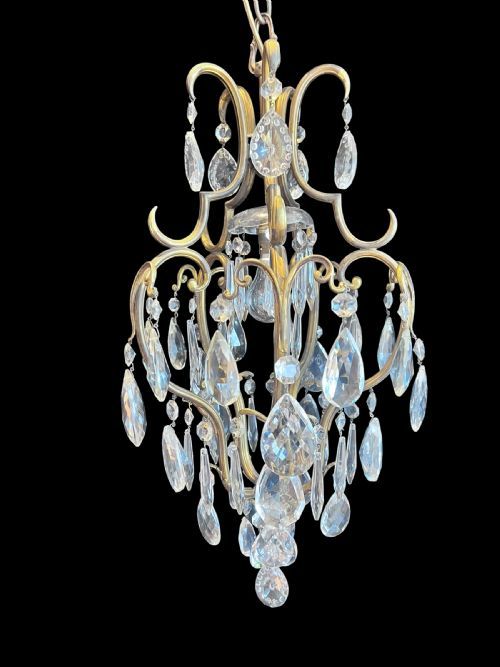
Makers utilised traditional hot glass techniques such as blowing and free-forming to shape the molten material into complex silhouettes. Artisans incorporated various minerals and metallic oxides to achieve rich colour palettes, ranging from deep purples to iridescent finishes. The combination of blown glass with brass, wrought iron, or crystal components provided structural support for hanging lamps and tabletop items.
Specialised methods like murrine work allowed makers to fuse slices of patterned cane together to create intricate multicoloured surfaces on small scent bottles. Handkerchief vases gained their distinctive folded rims through deliberate manipulation while the glass remained pliable in the furnace. These demanding production methods required precise thermal control and immense physical skill from the artisans.
Mid Century Italian Glass Retail Price Guide 2026
Typical asking prices for mid century italian glass among the pieces listed under this phrase on Sellingantiques today, from the lower quarter to the upper quarter. They describe what is for sale here now, not the wider market.
Listings feature items spanning the 1920s, 1930s, 1950s, and 1960s, alongside Victorian examples utilising glass, brass, and wrought iron.
What varies in quality
The sophistication of the colour integration and the purity of the material set exceptional pieces apart from standard production. Superior examples display deliberate control over wall thickness and optical clarity, avoiding unintended distortions in the glass body. The weight and balance of a vessel or lamp indicate the level of craftsmanship invested in its formation.
Complexity of form and the successful execution of challenging decorative techniques dictate the standing of individual items. Pieces that retain documented design attribution or distinct signatures show superior market appreciation compared to unsigned works. The harmonious integration of glass with secondary materials like brass or gilt metal further influences overall quality.
Venini·Franchini & Bigaglia·Fulvio Bianconi·Napoleone Martinuzzi·AVEM·Aldo Tura
The Mid Century Italian Glass Glossary
- Murano Glass
- Glass manufactured on the Venetian island of Murano, renowned for centuries of innovative technique and tradition. This material forms the basis of many decorative bowls and vases.
- Murrine
- Coloured patterns made by slicing glass canes and fusing them together in a mould. This ancient technique creates intricate geometric or floral motifs.
- Blown Glass
- Glass shaped by inflating molten metal gathered on the end of a blowpipe using a hollow iron tube. This fundamental method creates hollow vessels and organic forms.
- Crystal
- A high-clarity type of glass containing lead oxide that increases brilliance and weight. It allows for deep cutting and refractive play of light.
- Handkerchief Vase
- A vessel with ruffled, folded corners resembling a dropped handkerchief caught mid-air. Artisans achieve this shape while the hot glass is still malleable.
Mid Century Italian Glass: Frequently Asked Questions
How do I clean mid century italian glass?
Dust these delicate surfaces gently with a soft, dry cloth to prevent accumulation. Avoid harsh chemical cleaners or submersion in hot water, which can damage aged finishes and delicate components.
For stubborn grime on glass vessels, use a damp cloth with mild soap followed by immediate drying. Take extra care around mounted metal fittings or delicate rims.
Are these items signed by the makers?
Some pieces bear acid-etched signatures or paper labels identifying the studio or designer. Many authentic works from this era remain unsigned but are recognisable through distinct stylistic traits and manufacturing techniques.
Attribution often relies on established forms, colour palettes, and documentary evidence matching known production. Unsigned items can still represent the highest standards of period craftsmanship.
How do I style these glass pieces at home?
Place bowls and vases on surfaces where natural light can pass through the coloured glass to highlight its depth. Grouping items of varying heights creates a focal point on sideboards or mantelpieces.
Ensure that lamps and pendant lights are fitted with appropriate modern wiring by a professional electrician before use. Keep delicate glass items away from high-traffic areas where they might be accidentally knocked.
What defines the mid century Italian style?
Mid century Italian design combines traditional craftsmanship with modernist experimentation in form and colour. Artisans moved away from strict historical revivalism to embrace organic silhouettes and bold, saturated hues.
This aesthetic prioritised tactile surfaces and innovative material combinations, merging glass with metal and stone. The resulting objects balance functional utility with strong sculptural presence.