

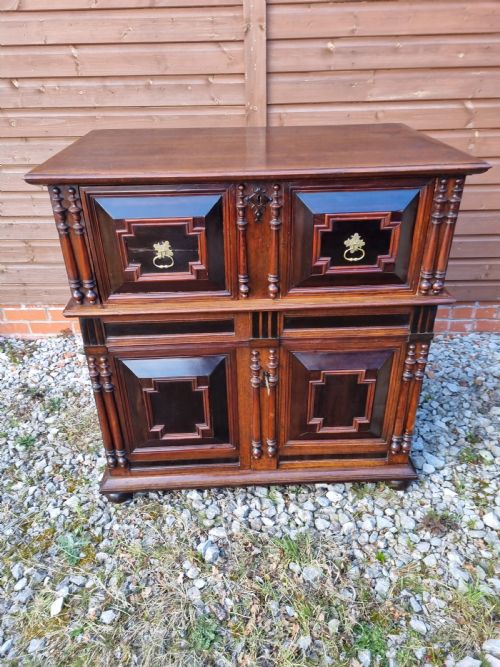
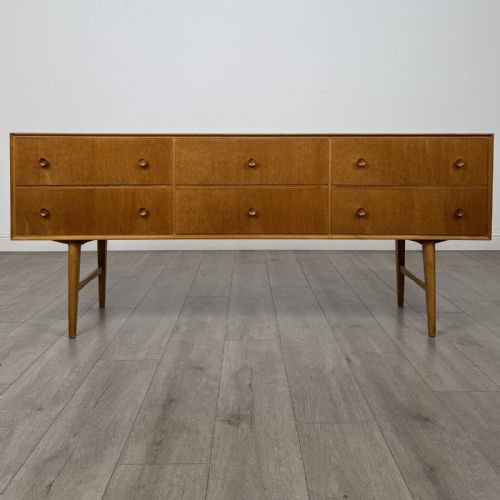
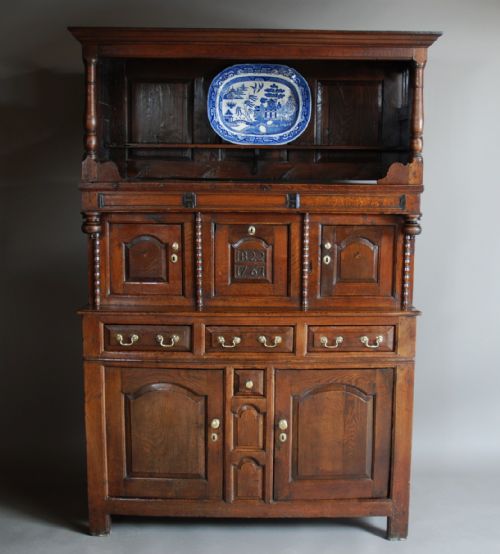
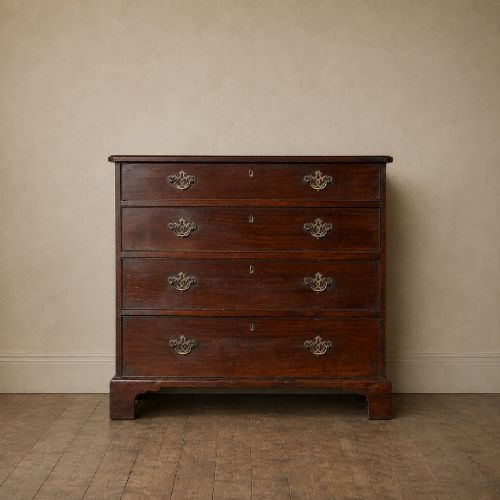

Mid Century Dresser
When you search for mid century dresser, you find solid storage furniture built from oak, mahogany, and walnut across several centuries.
Mid Century Dresser
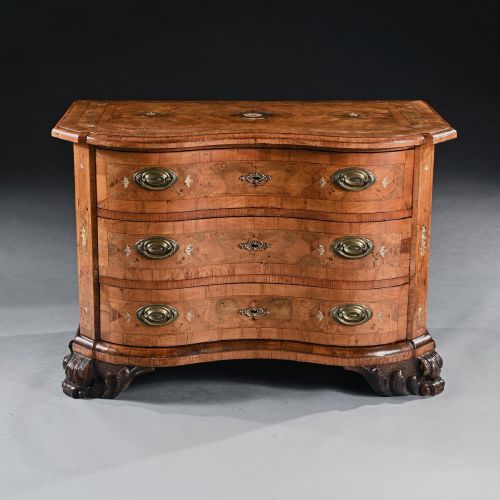
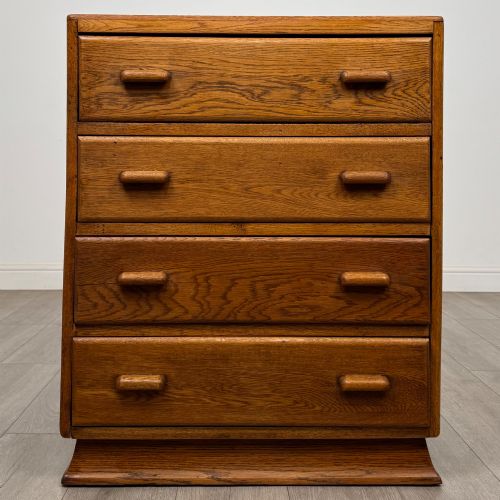
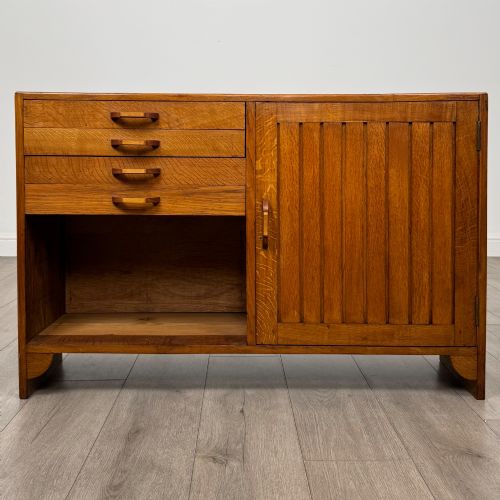
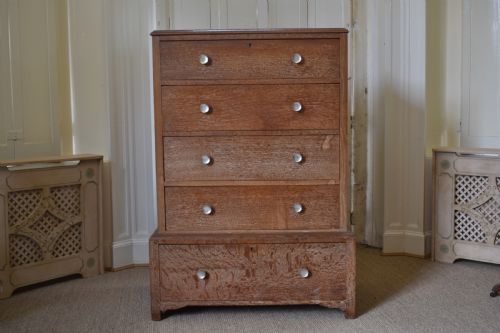
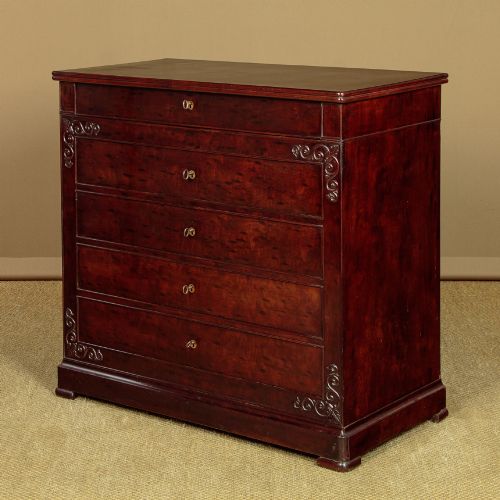
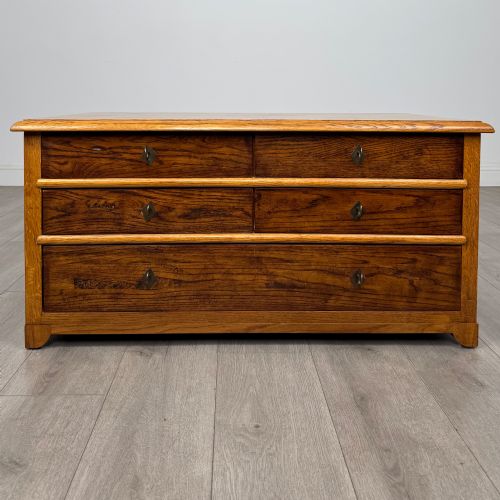
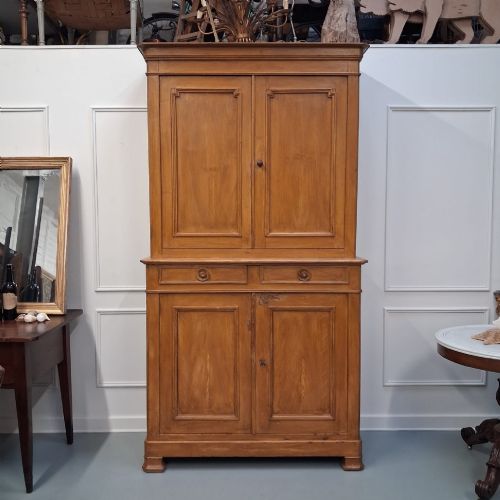
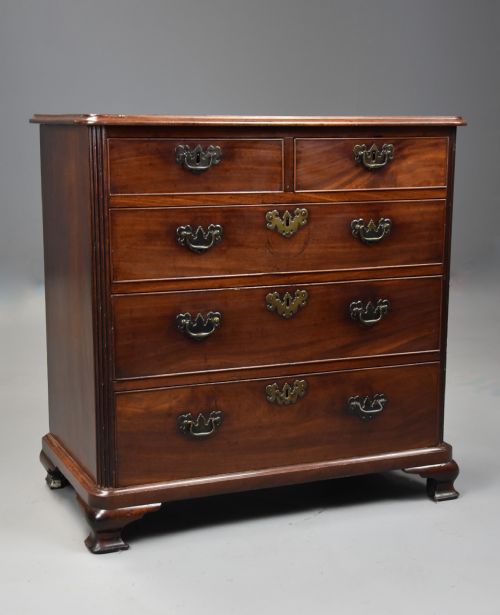
When looking for a mid century dresser, buyers encounter a diverse selection of storage forms spanning multiple centuries. The phrase often encompasses items built as chests of drawers, dresser bases, sideboards, and cupboards rather than strict twentieth-century designs.
The material palette is dominated by woods like oak, mahogany, and walnut, alongside pine and fruitwood. Pieces originate from British, French, Swedish, German, and Chinese workshops, reflecting broad geographical variety.
Materials and construction
Joiners and cabinetmakers utilised native and exotic timbers, employing solid oak, mahogany, walnut, and pine for structural integrity. Drawer linings often show secondary woods like pine or fruitwood, constructed with hand-cut dovetail joints.
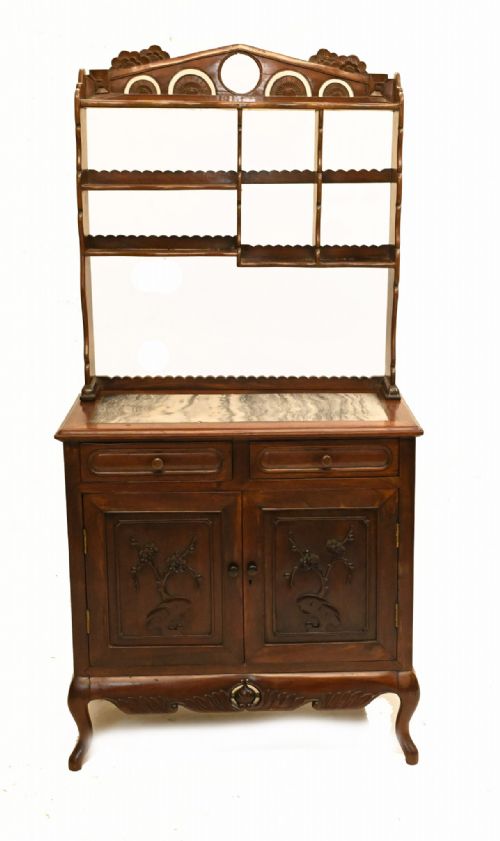
Surface finishes range from polished mahogany and burr walnut veneers to painted pine and French polished chestnut. Hardware typically consists of brass handles, escutcheons, and occasionally tambour doors or campaign-style brass bindings.
Mid Century Dresser Retail Price Guide 2026
Typical asking prices for mid century dresser among the pieces listed under this phrase on Sellingantiques today, from the lower quarter to the upper quarter. They describe what is for sale here now, not the wider market.
Current listings feature furniture spanning the eighteenth, nineteenth, and early twentieth centuries, constructed primarily from oak, mahogany, and walnut.
Distinguishing quality
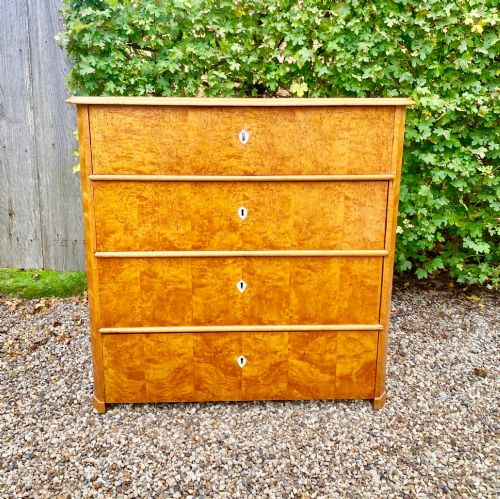
The standard of timber selection heavily influences the piece, with figured grains like burr walnut or flame mahogany commanding attention. Superior examples exhibit precise proportions, tight joinery, and well-preserved original hardware.
Patina and surface preservation separate exceptional survivals from heavily restored items. Original paint finishes or untouched wax polish contribute significantly to the character of eighteenth and nineteenth-century examples.
The Mid Century Dresser Glossary
- Commode
- A low chest of drawers or cabinet, frequently of French or German origin. These often feature serpentine or bombe fronts.
- Dresser Base
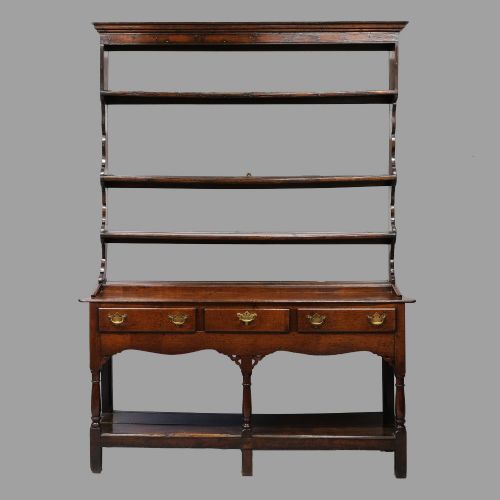
- The lower section of a kitchen or dining room dresser, designed with drawers and cupboards. They frequently serve as sideboards.
- Tallboy
- A tall chest of drawers, often constructed as a chest-on-chest in two separate sections. Walnut and mahogany were common timbers for these.
- Marquetry
- Decorative inlay work using various woods, ivory, or metal to create pictorial designs on furniture surfaces. It appears on eighteenth-century commodes.
- Tambour
- A flexible shutter door constructed from narrow vertical strips of wood glued to canvas. This mechanism appears on vintage oak sideboards.
Mid Century Dresser: Frequently Asked Questions
What is a dresser base?
A dresser base is the lower portion of a traditional Welsh or regional dresser, built with rows of drawers and lower cupboards. They were originally used in kitchens and dining rooms for food preparation and storage.
Over time, these sturdy wooden units transitioned into standalone sideboards and serving tables. Their robust construction and practical surface space make them popular for modern living spaces.
How do I date a wooden chest?
Dating a chest involves examining the timber species, drawer construction methods, and hardware. Eighteenth-century pieces often display hand-cut dovetails and oak secondary woods, whereas later nineteenth-century examples might use machine-sawn elements.
Hardware styles and locking mechanisms also offer chronological clues. Original brass handles and backplates correspond to specific stylistic periods like George II or Victorian.
What timber was used most?
Oak, mahogany, and walnut form the primary timber choices across the recorded pieces. Oak dominates early British and regional furniture, while mahogany and walnut gained favour during the eighteenth and nineteenth centuries.
Pine and fruitwood appear frequently in painted Scandinavian and French provincial pieces. Exotic veneers like burr walnut and flame mahogany were reserved for high-status cabinets and commodes.
Are painted finishes original?
Original paint finishes survive on various pine and softwood cupboards and chests from Scandinavia and France. These surfaces exhibit specific wear patterns and patination built up over generations of domestic use.
Distinguishing original paint from later decoration requires inspecting the underlying wood and paint layers. Surviving historical paint adds significant character to farmhouse and provincial furniture.