



Mid Century Compact
A mid century compact serves as a clever pocket companion for powder, drawing from diverse periods and materials.
Mid Century Compact
A mid century compact offers a glimpse into portable grooming history, though the available selection spans far beyond the mid-century period into Victorian and Edwardian examples. Buyers searching for a mid century compact often encounter varied small personal items, writing desks, and chests rather than solely twentieth-century powder cases.
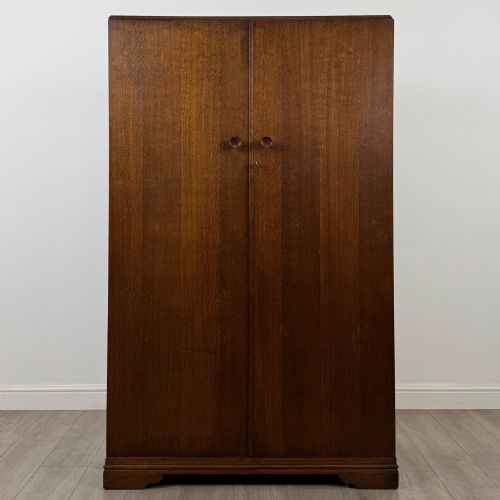
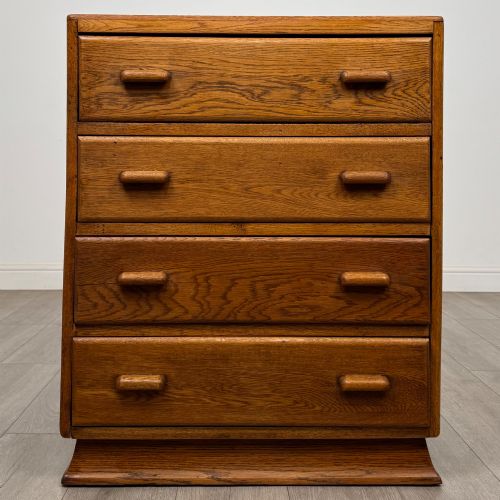
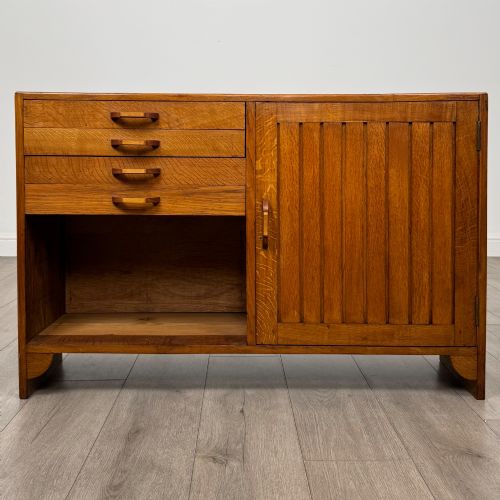
The inventory includes diverse forms from small writing desks to sideboards and chests, reflecting how earlier eras valued compact proportions. Each piece provides functional storage scaled down for smaller spaces, matching the space-saving intent of a mid century compact.
Materials and Construction
Items carrying this description utilise metals like brass and steel alongside rich timbers such as mahogany, oak, walnut, and amboyna. Makers often employed decorative veneers like burr walnut and satinwood interiors to elevate smaller furniture forms.
Metalwork details such as silver wire inlay and brass mountings appear on both writing furniture and travelling pieces. These construction choices ensure durability while maintaining the reduced scale essential to the designation.
Periods represented range from the eighteenth century through Victorian and Edwardian eras to the mid-twentieth century.
Assessing Quality and Execution
Quality reveals itself in the selection of timber figures, such as burr elm or pollard oak, and the precision of brass mountings. Finer pieces demonstrate careful interior arrangement, including fitted satinwood sections within writing desks.
The integration of materials distinguishes standard pieces from exceptional examples. Superior execution involves seamless joins, intact wire inlay, and well-preserved surface finishes across varied historical periods.
Crisford And Norris
The Mid Century Compact Glossary
- Davenport
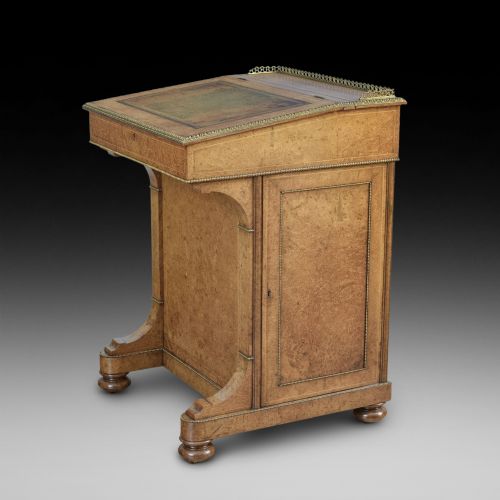
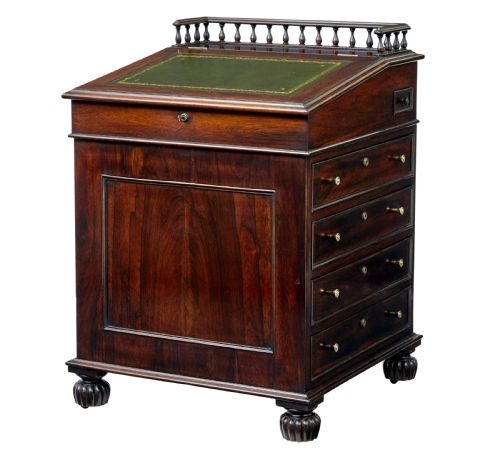
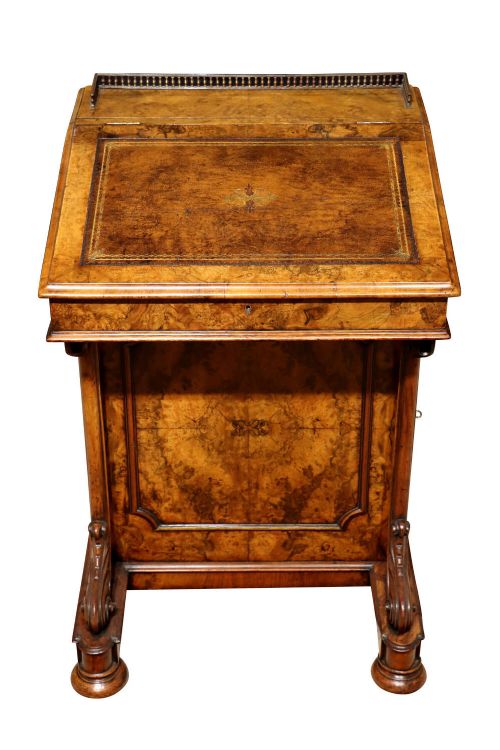
- A small desk featuring a sloping writing surface hinged above a pedestal of drawers. This form provides substantial storage within a remarkably compact footprint.
- Guilloche
- A decorative engineering technique where a precise repeating pattern is mechanically engraved into metal. It creates intricate geometric designs beneath translucent enamel.
- Burr Walnut
- Timber taken from a tree growth that produces complex, swirling grain patterns. Cabinet makers select it for high-status furniture surfaces.
Mid Century Compact: Frequently Asked Questions
What is a compact desk?
A compact desk is a small-scale writing table designed for rooms with limited space. These pieces combine a writing surface with integrated drawers.
Examples include Davenport desks that house drawers beneath a sloping top, providing writing and storage functions in a single footprint.
How do I date an oak chest?
Dating an oak chest involves examining the timber grain, construction methods, and hardware styles. Edwardian pieces often display lighter oak tones and simpler proportions.
Earlier nineteenth-century examples utilise denser timbers and heavier brass or iron fittings, reflecting the prevailing manufacturing standards of their era.
Where were davenports used?
Davenports served primarily as personal writing desks in sitting rooms, parlours, or bedrooms. Their small proportions allowed them to fit into corners where full-sized desks proved impractical.
Owners kept stationery, correspondence, and personal records inside the pedestals while writing on the hinged top.
What woods were used for small desks?
Cabinet makers utilised a variety of hardwoods including oak, mahogany, walnut, and exotic veneers like amboyna and burr elm. These timbers offered both structural strength and attractive grain patterns.
Lighter oak finishes appear alongside rich burr walnut surfaces, depending on the period and stylistic preferences of the workshop.