




Mid Century Club Chairs
Mid century club chairs offer deep, enveloping comfort and robust wooden frames that anchor a room with quiet authority.
Mid Century Club Chairs
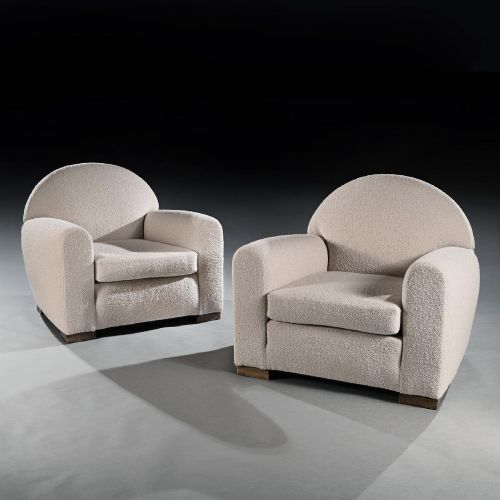
Mid century club chairs encompass sturdy upholstered seating designed for relaxation, drawing on nineteenth-century antecedents as well as twentieth-century modernist forms. Buyers exploring mid century club chairs will encounter substantial armchairs built for deep seating, often featuring supportive padded backs and generous proportions.
The selection ranges from nineteenth-century mahogany library armchairs and nineteenth-century Howard and Sons pieces to twentieth-century cocktail chairs, French Parisian club armchairs, and leather bridge chairs. These seating options emerge from various traditions, including Victorian workshops, Art Deco design periods, and military heritage pieces.
Makers represented in the evidence include Howard and Sons, Hille, and Gillows, alongside specialised seating from RAF Bomber Command and Parisian workshops. Forms vary from barrel backs and reclining chairs to traditional smokers bows and low-slung bridge chairs.
How they were made
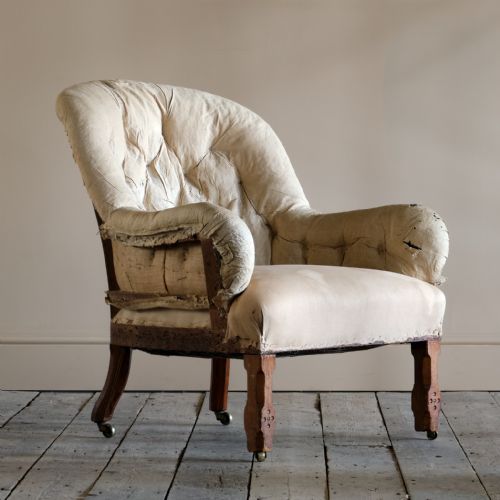
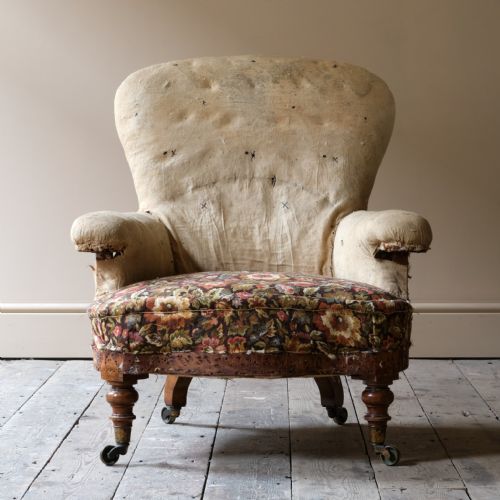
Construction relies upon solid timber frames fashioned from mahogany, walnut, and general wood, providing structural integrity for heavy use. Upholstery techniques incorporate traditional materials such as hessian, leather, and fabric to build supportive cushioning.
Metal components like brass appear in structural or decorative elements, particularly on nineteenth-century library and reclining chairs. Ebonised finishes and polished timber surfaces highlight the grain and colour of the underlying wood.
Mid Century Club Chairs Retail Price Guide 2026
Typical asking prices for mid century club chairs among the pieces listed under this phrase on Sellingantiques today, from the lower quarter to the upper quarter. They describe what is for sale here now, not the wider market.
Listings feature periods spanning the nineteenth century through the 1940s, utilising materials such as leather, mahogany, walnut, and brass.
What varies in quality
Quality depends upon the integrity of the timber frame, the fidelity of the maker's attribution, and the preservation of original materials such as leather and hessian. Pieces bearing stamps or strong workshop associations demonstrate superior craftsmanship.
The execution of the upholstery and the retention of period-correct components distinguish standard production items from finer workshop examples. Substantial frames built from mahogany or walnut hold their form better over decades of daily use.
Howard and Sons·Hille·Gillows
The Mid Century Club Chairs Glossary
- Smokers bow
- A sturdy nineteenth-century wooden armchair with a rounded back rail, often associated with Captains chairs and Windsor forms. These chairs provide robust seating built for domestic or public spaces.
- Bridge chair
- A compact upholstered armchair designed for card games or casual seating during the early twentieth century. They offer a smaller footprint while maintaining padded comfort.
- Library armchair
- A substantial reading chair upholstered in leather or fabric, frequently produced in mahogany during the nineteenth century. They provide an upright yet supportive posture for study.
- Ebonised
- Wood treated with a dark stain or finish to imitate ebony, common on nineteenth-century frames. This process creates a formal, uniform dark surface.
- Hessian
- A coarse woven fabric used historically as internal webbing and foundation support beneath outer upholstery materials. It provides structural tension for deep seat cushions.
Mid Century Club Chairs: Frequently Asked Questions
What defines a club chair?
A club chair is a heavily upholstered armchair designed for deep, comfortable seating rather than formal posture. They traditionally feature low backs and broad arms.
Over the decades, the form evolved from nineteenth-century library and Howard and Sons designs into twentieth-century cocktail and Parisian club variants.
How do I identify a nineteenth century armchair?
Nineteenth-century armchairs display dense timber frames, typically in mahogany or walnut, constructed with traditional joinery methods. They often utilise hessian and horsehair foundations beneath leather or fabric upholstery.
Maker stamps, specific turning on wooden legs, and heavier proportions help separate these pieces from later twentieth-century reproductions.
Where were bridge chairs used?
Bridge chairs were designed for card games, sitting around tables, and social rooms during the Art Deco period. Their compact dimensions allowed multiple chairs to fit comfortably around a game table.
Unlike large library chairs, they feature lighter frames and smaller upholstered profiles suited to mid-century interiors.
How should I care for leather upholstery?
Leather upholstery requires regular dusting and occasional conditioning to prevent the hide from drying out over time. Keeping chairs away from direct sunlight and heat sources preserves the natural colour and texture.
Patina develops naturally through use, so gentle cleaning maintains the character of vintage leather without stripping its history.