

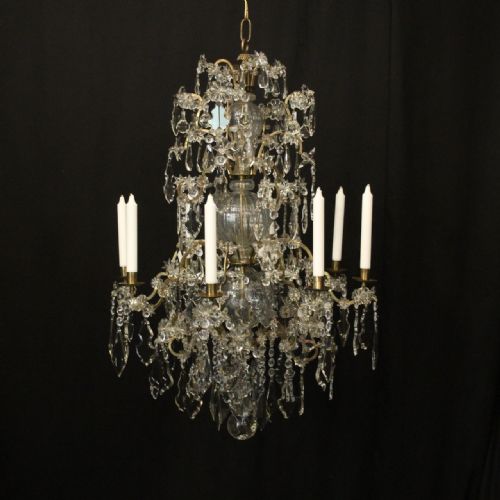


Mid Century Chandelier
A mid century chandelier brings distinctive illumination and presence to a room, drawing the eye upwards with period materials and decorative forms.
Mid Century Chandelier
When searching for a mid century chandelier, buyers encounter a variety of hanging light fittings that span several decades and decorative traditions. The selection includes French and Italian pieces reflecting styles from French Chateau and French Mid-Century to Italian Florentine and Italian Regency.
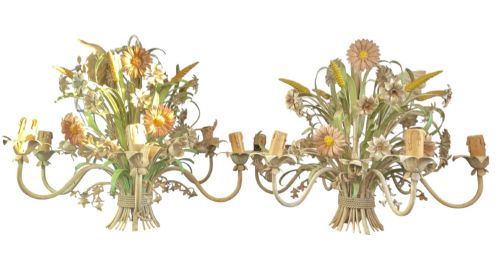
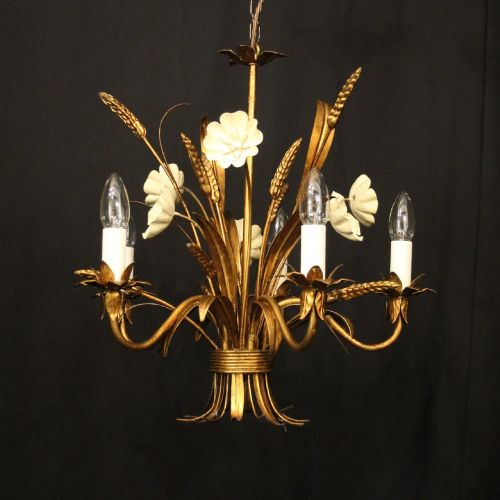
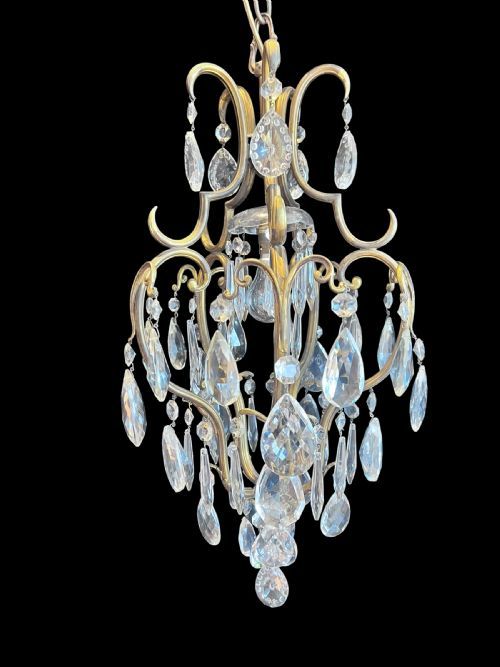
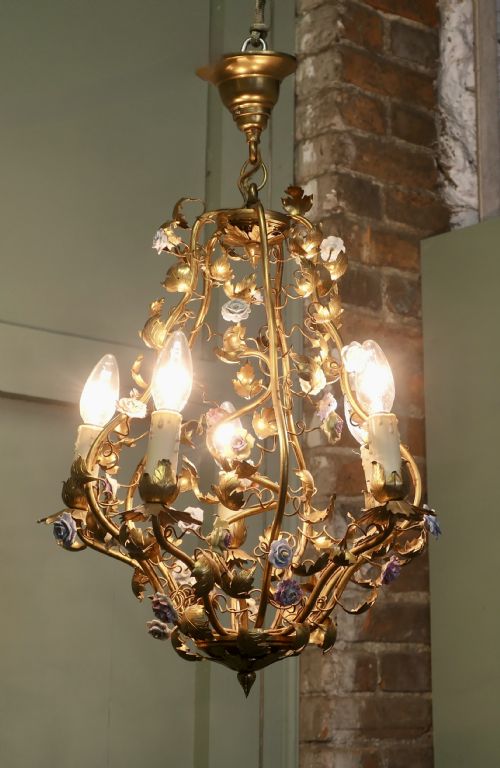
Most examples found in this category date from the early twentieth century through to the middle decades, alongside occasional nineteenth-century survivals. Common forms range from multi-light floral and wheatsheaf designs to open-cage bronze frames and crystal-hung fittings.
Materials and construction methods
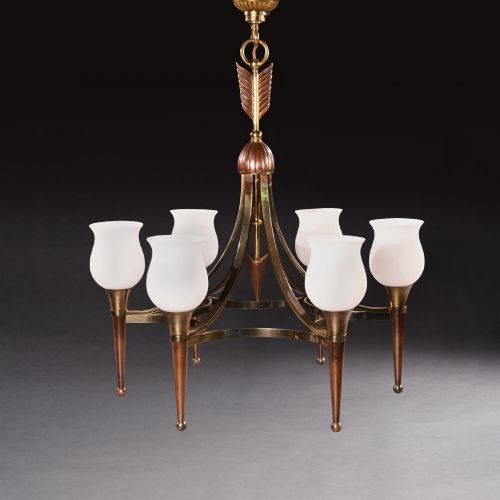
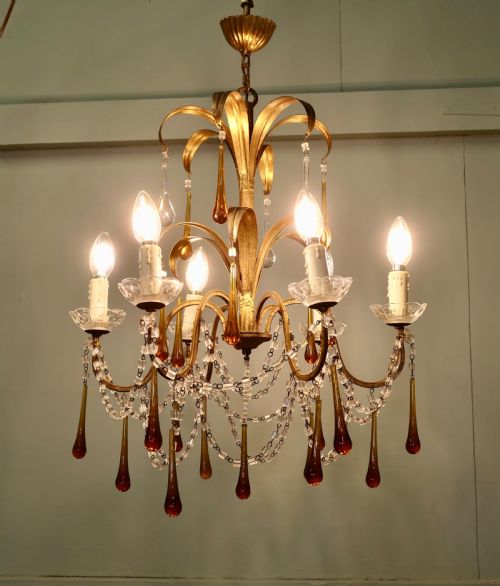
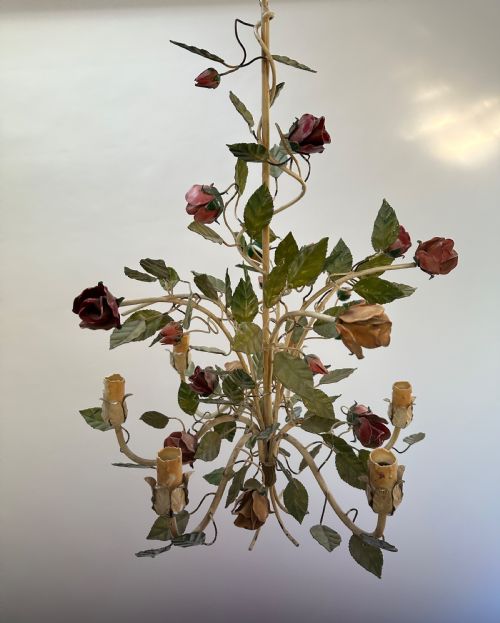
Construction relies heavily on metals such as brass, gilt metal, wrought iron, bronze, and painted tolewear, shaped into frames, leaves, and structural arms. These metal components are frequently combined with glass and crystal elements, including amber teardrops, frosted panels, and hanging drops.
Makers utilised traditional metalworking, gilding, and glass-cutting techniques to build fixtures designed for candle or bulb illumination. Decorative details such as ceramic flowers and giltwood carvings add texture and visual depth to the finished assemblies.
Mid Century Chandelier Retail Price Guide 2026
Typical asking prices for mid century chandelier among the pieces listed under this phrase on Sellingantiques today, from the lower quarter to the upper quarter. They describe what is for sale here now, not the wider market.
Materials recorded across the selection include wrought iron, frosted glass, gilt metal, and carved giltwood.
Factors that define quality
Quality in these lighting fixtures depends on the fineness of the metalwork, the clarity and cut of the glass or crystal, and the integrity of the original surface finish. Heavier cast bronzes and carefully hand-gilt surfaces represent a higher standard than simpler stamped metal alternatives.
The complexity of the design, such as intricate floral arrangements or multi-tiered arrangements with numerous lights, distinguishes standard production pieces from more ambitious workshop creations.
Maison Jansen·Andre Arbus·La Mason Bagues
The Mid Century Chandelier Glossary
- Tolewear
- Painted sheet metal fashioned into decorative motifs such as leaves and flowers, frequently found on mid-period French lighting. This technique allowed makers to introduce vibrant colour and organic shapes to metal light fittings.
- Florentine
- A decorative style originating in Florence, characterised by carved giltwood, floral elements, and ornate scrolling foliage. Pieces in this tradition often feature rich gold leaf application over carved wooden foundations.
- Gilt metal
- Metal coated with a thin layer of gold or a gold-coloured metallic finish to simulate solid gold. This treatment provides a bright, reflective surface that enhances the decorative impact of the chandelier.
- Open-cage chandelier
- A lighting fixture constructed with an exposed metal frame that encloses the central stem and light points without solid glass or fabric sides. This construction style allows light to project freely across the room.
- Tent chandelier
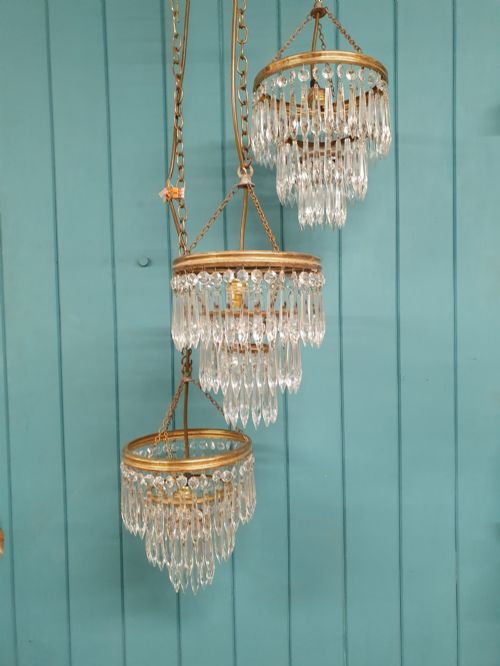
- A traditional lighting form featuring strings of glass beads or crystals gathered from a crown ring down to a wider lower band, resembling a tent silhouette. The configuration maximises the refraction of light from internal candles or bulbs.
Mid Century Chandelier: Frequently Asked Questions
How do I choose the right size chandelier?
Selecting the correct proportion depends on the dimensions of your room and the height of the ceiling. Smaller spike and single-light variants suit intimate spaces, while multi-light fixtures require adequate clearance below.
Consider the weight and spread of the metal frame to ensure the fixture balances the surrounding furniture without dominating the space entirely.
Were these fixtures made for candles or electricity?
Many examples originate from periods of transition between candle power and early electrical wiring. Some nineteenth-century pieces began life as candle fittings before later conversion to electricity.
Buyers should examine the internal wiring capacity and consult a qualified electrician to ensure safe installation in a modern domestic setting.
How do I distinguish French styles from Italian ones?
French lighting from this selection often incorporates gilt tolewear, ceramic flowers, and amber crystal drops within refined, structural frameworks. These designs frequently lean towards French Chateau or Provincial aesthetics.
Italian pieces, particularly those from Florentine traditions, tend to emphasise carved giltwood, floral clusters, and silver-gilded surfaces with a more exuberant decorative flourish.
What maintenance do crystal and glass chandeliers require?
Routine care involves gentle dusting of the metal frame and individual glass components using appropriate cloths. Avoid harsh chemical cleaners that might damage delicate gilt or painted surfaces.
Periodic checking of the suspension points and electrical connections ensures the fixture remains secure and safe over years of daily use.