




Mid Century Bust
A mid century bust brings sculptural presence to a room, offering tactile materials and striking forms shaped by mid-century modern and art deco ideals.
Mid Century Bust
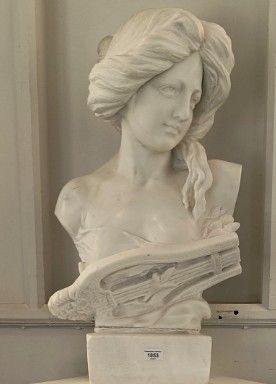
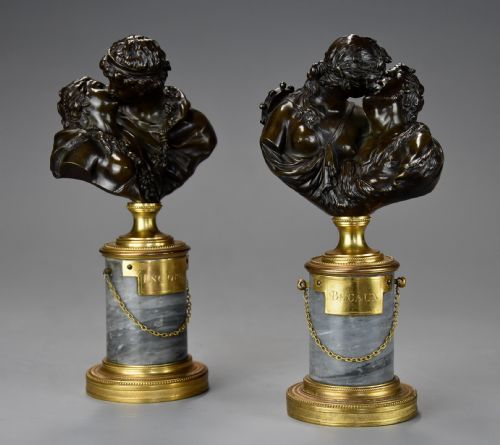
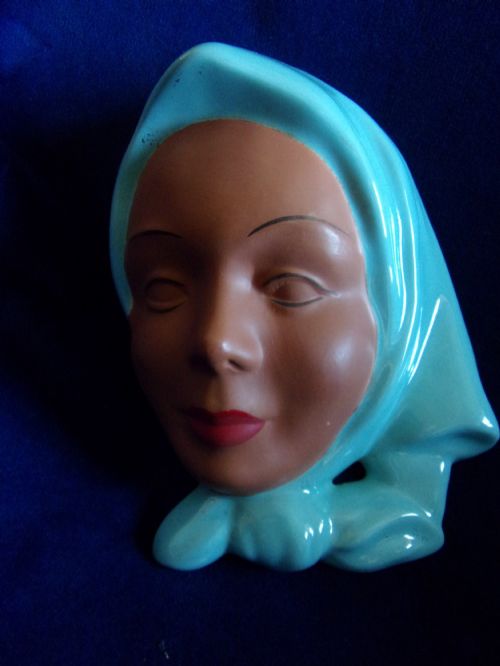
A mid century bust captures the human likeness or animal form through varied sculptural interpretations, ranging from classical revivals to modernist abstraction. These pieces emerge in materials such as bronze, marble, plaster, terracotta, and hardwood, reflecting diverse aesthetic movements from the nineteenth and twentieth centuries.
The selections encountered here span from neoclassical figures and art deco wall masques to tribal art and mid-century modern works. Each object serves as a focal point for interior display, whether rendered as a small table sculpture or a commanding wall-mounted piece.
Materials and Methods
Sculptors utilised casting methods for metals like bronze and brass, alongside traditional hand-carving techniques for hardwoods and marble. Plaster and terracotta offered fluid mediums for capturing fine facial details and expressive textures before finishing.
Surface treatments range from polished stone and patinated bronze to painted or plain plaster and carved wood details. The choice of material dictates the weight and visual heft of the sculpture, influencing how light plays across the contours.
Mid Century Bust Retail Price Guide 2026
Typical asking prices for mid century bust among the pieces listed under this phrase on Sellingantiques today, from the lower quarter to the upper quarter. They describe what is for sale here now, not the wider market.
Objects range across art deco, neoclassical, expressionist, modern British, and tribal art styles.
Assessing Craftsmanship
Quality rests in the precision of the carving or the crispness of the metal casting, where fine details in hair, expression, and drapery remain sharp and defined. Superior pieces demonstrate an artist's command over anatomy and proportion, regardless of whether the style is classical or modernist.
The choice and treatment of the raw material also dictate the standing of a piece, with high-grade marbles, patinated bronzes, and carefully selected hardwoods elevating the overall execution. Integrity in the finish and the preservation of the surface texture signal skilled studio work.
Laszlo Hoenig·Jean Antoine Houdon·Arthur Todd·Rodolphe Soiron
The Mid Century Bust Glossary
- Neoclassical
- A style rooted in the art of classical antiquity, focusing on proportion, symmetry, and classical mythology. This aesthetic appears frequently in nineteenth-century marble and bronze sculptures.
- Patina
- The surface sheen or coloration developed through age, handling, or chemical treatment on metals like bronze and brass. It adds depth and character to the sculpture.
- Terracotta
- Fired clay used for sculptural modelling, valued for its warm earthy tones and ability to record rapid modelled marks. It often appears unglazed in portrait busts.
- Wall masque
- A sculptural mask designed specifically for hanging on a wall, popular during the art deco period. These pieces combine decorative flair with architectural presence.
Mid Century Bust: Frequently Asked Questions
Where should I display a bust?
These sculptures suit placement on sturdy mantelpieces, console tables, or dedicated pedestals where lighting highlights their contours and material depth.
Larger wall-mounted pieces require secure fixings to support the weight of materials like bronze or heavy plaster safely.
How do I clean bronze and marble?
Dust bronze surfaces gently with a soft, dry cloth to protect the underlying patina from moisture and abrasive cleaning agents.
Marble benefits from occasional wiping with a damp cloth, avoiding acidic solutions that can etch the polished stone surface.
What periods do these sculptures represent?
The pieces span from the mid nineteenth century through to the mid twentieth century, encompassing Victorian, art deco, and mid-century modern movements.
Earlier works often draw on classical mythology, while later examples embrace abstraction and modernist styling.
Are these pieces heavy?
Weight varies considerably depending on the material used in construction, with solid marble, bronze, and hardwood pieces being notably heavy.
Plaster and terracotta creations offer lighter alternatives, though larger examples still require stable placement and careful handling.