


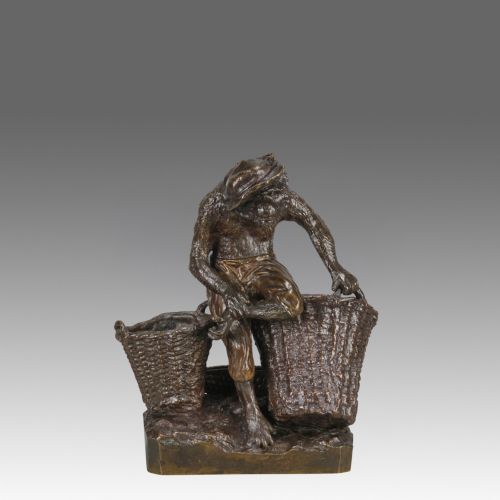
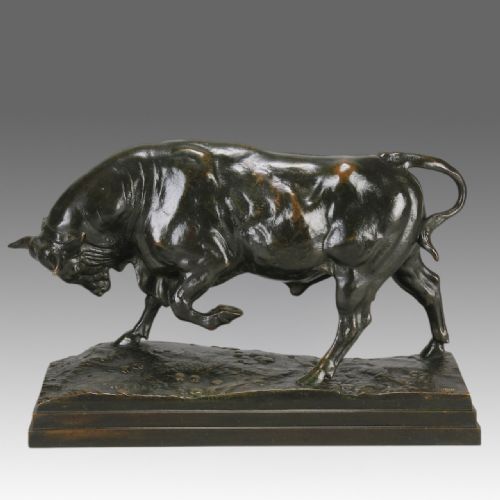
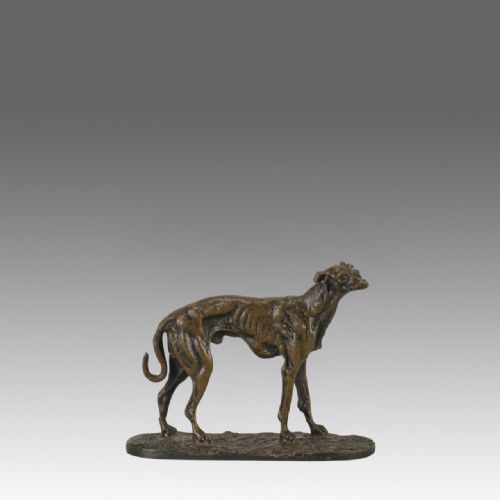
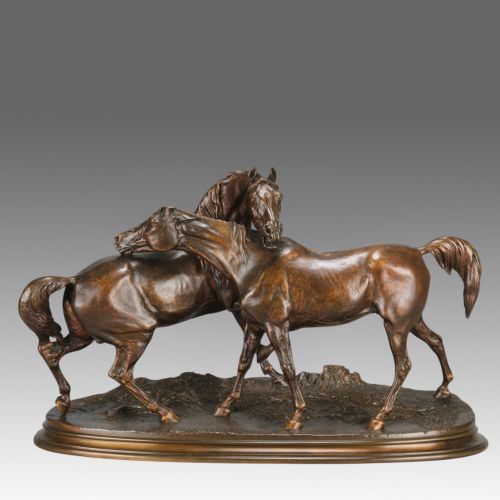
Mid Century Bronze
Mid century bronze brings together animalier studies, grand tour figures, and heavy lighting cast across the nineteenth century.
Mid Century Bronze
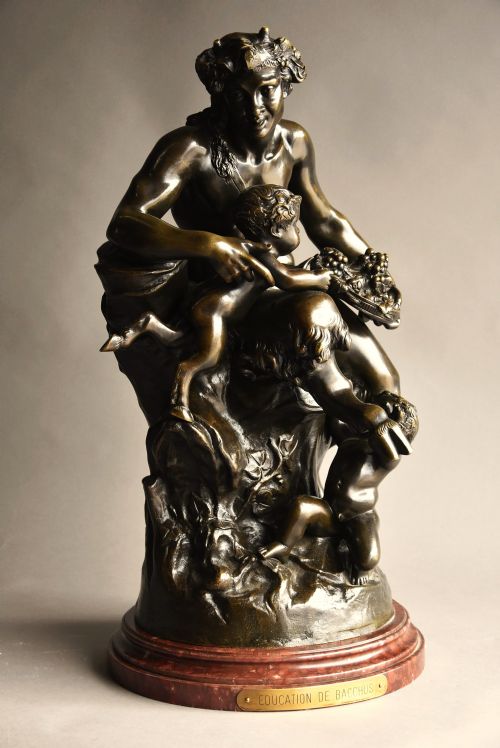
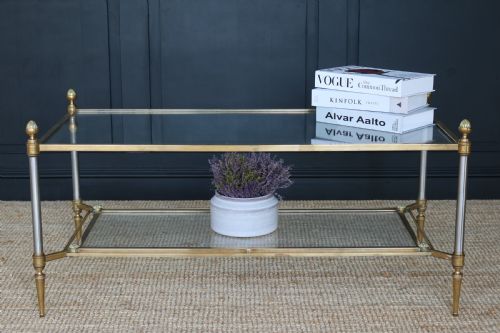
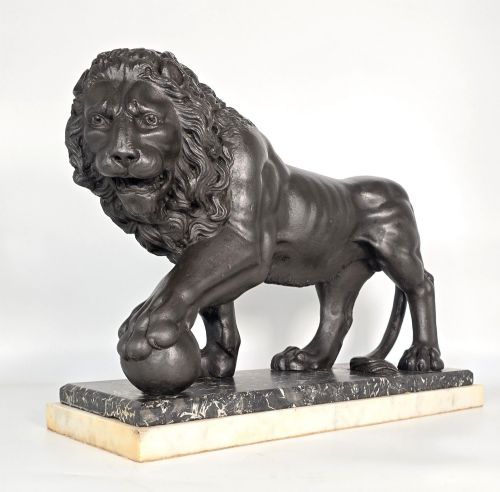
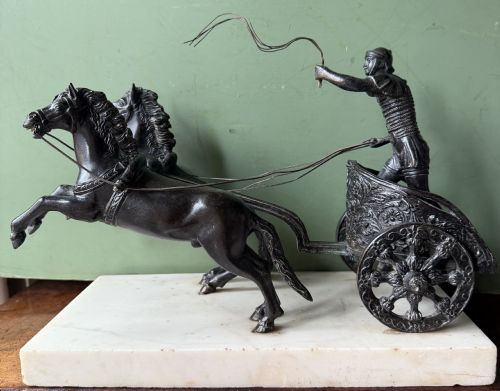
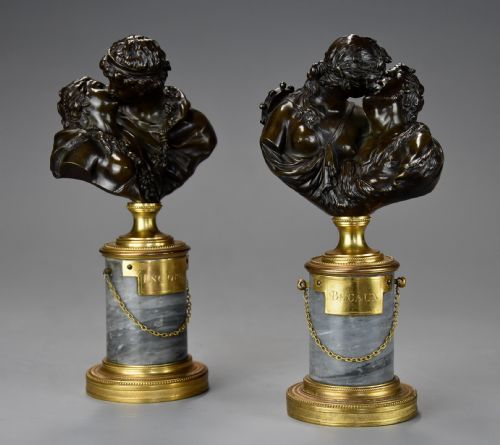
Mid century bronze spans animalier groups, classical figures, and domestic lighting produced across the nineteenth century. These objects include patinated groups of hounds and stags alongside grand tour souvenirs mounted on marble plinths.
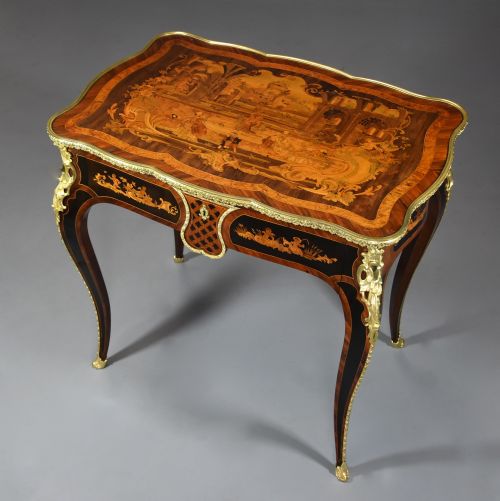
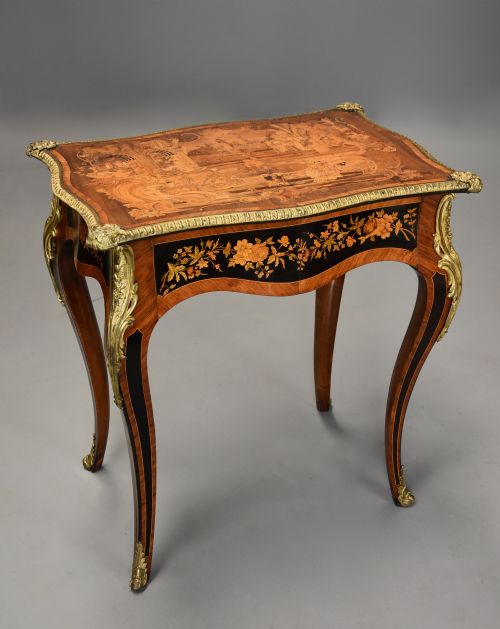
French workshops dominate the selection, bringing together animal studies by celebrated sculptors and gilt ormolu mounts on kingwood furniture. Pieces range from miniature figures to large candelabra and occasional tables.
Materials and casting methods
Foundries utilised traditional lost wax or sand casting methods to capture fine anatomical details in bronze and patinated bronze. Ormolu and gilt bronze accents highlight structural details, often combined with marble plinths and crystal drops.
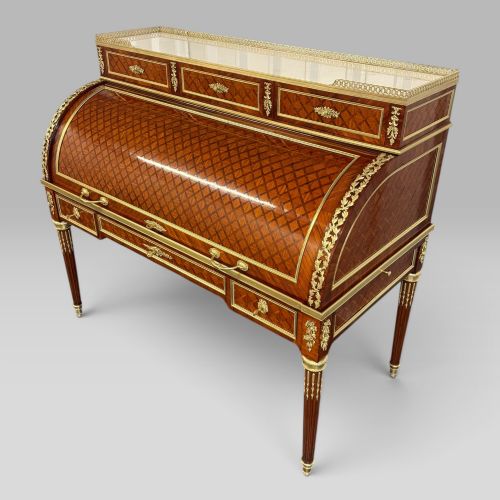
Cabinet makers integrated cast bronze mounts into kingwood and walnut furniture carcasses, pairing metalwork with marquetry and parquetry. Surface patination varied from dark brown tones to bright gilt finishes.
Mid Century Bronze Retail Price Guide 2026
Typical asking prices for mid century bronze among the pieces listed under this phrase on Sellingantiques today, from the lower quarter to the upper quarter. They describe what is for sale here now, not the wider market.
Listings combine nineteenth century bronze sculptures with ormolu mounted kingwood furniture and crystal chandeliers.
Assessing craftsmanship
The integration of mounts and the quality of the underlying bronze alloy define the longevity and visual weight of each piece. Superior examples retain original patination and firm attachment to marble bases.
Christophe Fratin·P J Mêne·Antoine Louis Barye·Isidore Jules Bonheur·Maison Jansen
The Mid Century Bronze Glossary
- Animalier
- A nineteenth century sculptural movement focusing on realistic depictions of animals, particularly wild beasts and domestic hounds. Artists often captured creatures in motion or repose with anatomical precision.
- Grand Tour
- A traditional trip through Europe undertaken by upper class scholars in the eighteenth and nineteenth centuries. Souvenirs included small bronze figures and architectural models bought in Italy and France.
- Ormolu
- A technique of applying finely ground high-carat gold to a bronze object using a mercury amalgam. This process creates a rich golden finish that resists tarnishing over time.
- Patinated Bronze
- Metal treated with chemical solutions to produce a specific surface colour, ranging from deep brown to green. This coating protects the underlying bronze and defines the shadows in sculptural details.
- Vitrine
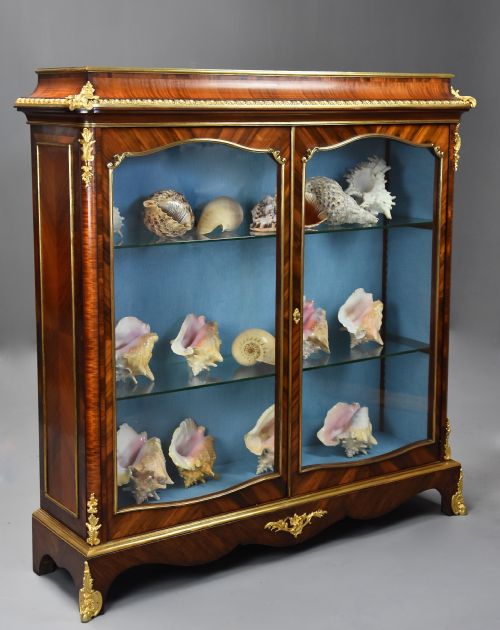
- A glass fronted cabinet designed to display porcelain, bronzes, and small collectibles. These pieces often feature ormolu mounts and fine wood veneers.
Mid Century Bronze: Frequently Asked Questions
What is an animalier bronze?
Animalier bronze refers to nineteenth century sculptures depicting animals in naturalistic poses. These works focus on accurate anatomy and energetic movement.
Sculptors such as Barye and Mêne popularised this genre across Europe. Collectors prize these figures for their expressive character and fine casting quality.
How were grand tour bronzes used?
Grand tour bronzes served as scholarly mementos brought back from European travels. Travellers displayed classical figures and animal studies in studies and libraries.
These portable items demonstrated the owner's education and cultural interests. They typically feature heavy marble bases for stability.
Where should I place bronze lamps?
Bronze lamps suit side tables, desks, and credenzas where their weight anchors the arrangement. Pair them with neutral shades to balance the dark metal tones.
Keep them away from direct heat sources and damp environments. Ensure wiring meets current safety standards before regular use.