


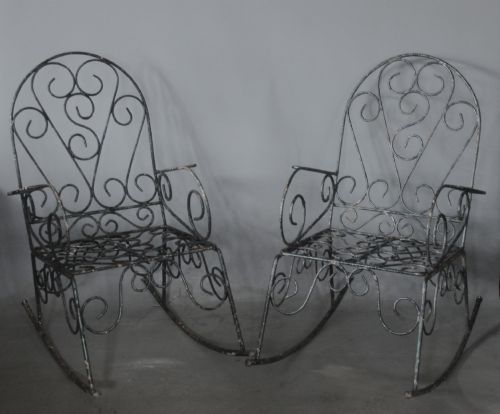


Metal Work Chair
A metal work chair brings robust character to a garden or interior space, offering enduring construction that homeowners value.
Metal Work Chair
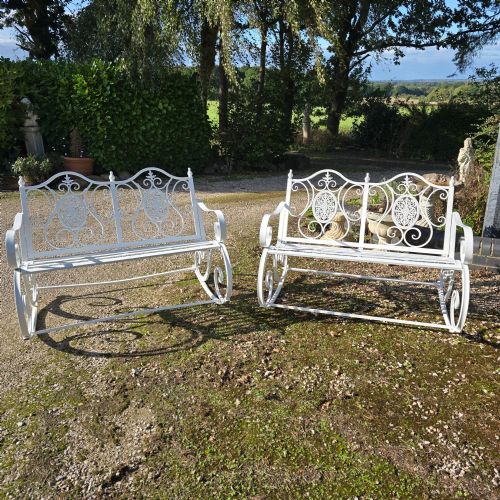
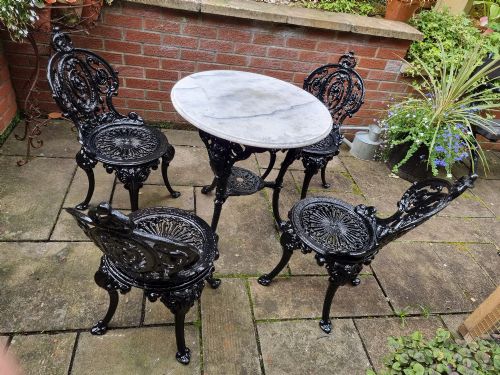
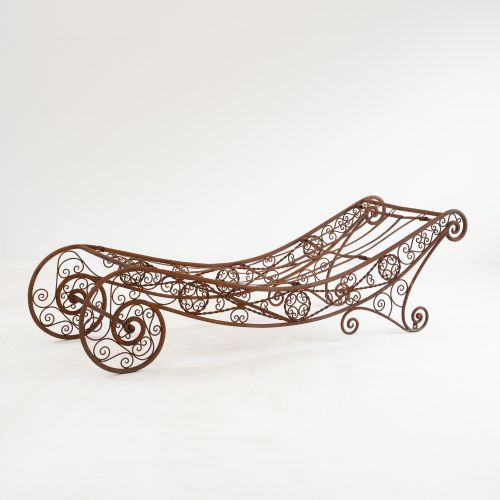
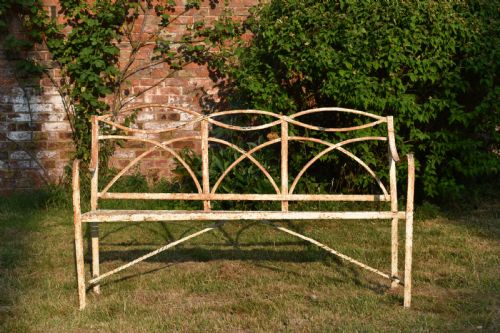
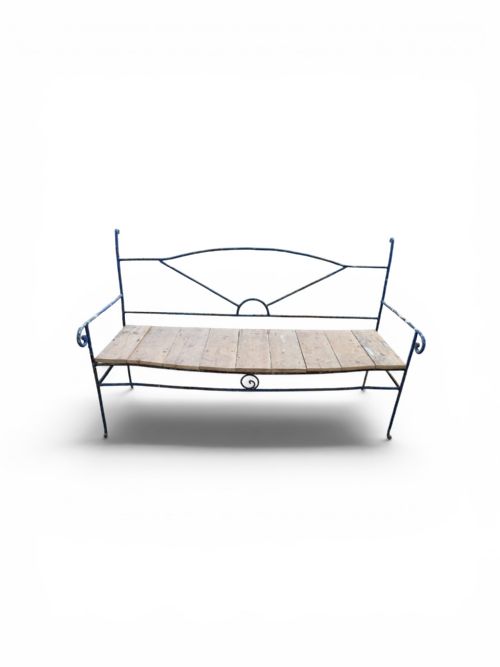
A metal work chair spans periods from the Regency era through to the mid-twentieth century, encompassing garden dining sets, bistro groupings, and individual rocking benches. When you search for a metal work chair, you encounter forms shaped by industrial and domestic needs across diverse design traditions.
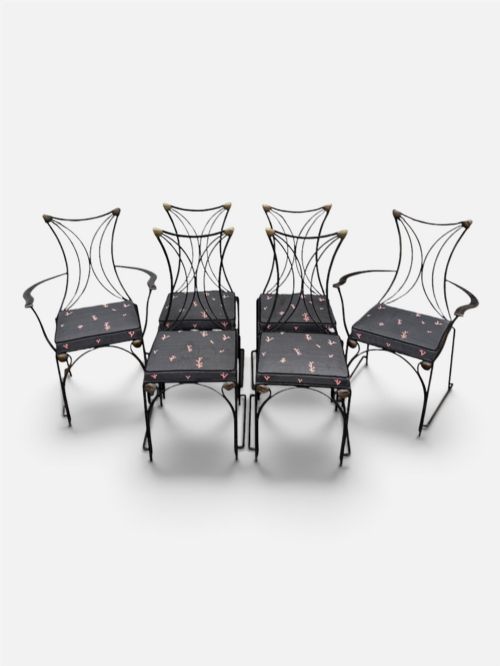
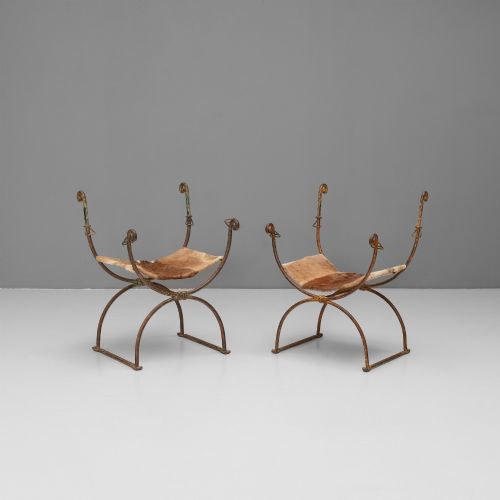
The selections on this page feature Victorian, Edwardian, and French mid-century modern aesthetics, alongside Gothic revival and French country styles. You are most likely to meet twentieth-century iron seating, including folding chairs and heavy cast-iron sets dated around nineteen thirty.
Construction and materials
These pieces rely on durable metals such as wrought iron, cast iron, wirework, and brass, often paired with fabric, marble, wood, or zinc tops. Makers utilised these materials to build sturdy outdoor and indoor furniture capable of withstanding heavy daily use.
Techniques range from strapwork and shell detailing to folding mechanisms and wirework construction. Paint finishes protect the underlying iron from weathering while adding decorative colour to the finished chairs and tables.
Metal Work Chair Retail Price Guide 2026
Typical asking prices for metal work chair among the pieces listed under this phrase on Sellingantiques today, from the lower quarter to the upper quarter. They describe what is for sale here now, not the wider market.
Listings feature pieces spanning the Regency period, nineteenth century, and twentieth century up to nineteen fifty, constructed from iron, brass, wood, and marble.
Distinctions in quality
The standard of a metal work chair depends upon the refinement of its structural joints and the intricacy of its decorative details, such as strapwork or shell motifs. Pieces featuring heavier cast iron or complex wrought iron forms generally demonstrate superior craftsmanship compared to simpler utilitarian variants.
Condition also shapes the overall standard, particularly regarding the survival of original painted surfaces, marble tops, and brass elements. Complete sets that retain their matching tables and chairs hold greater architectural cohesion than mismatched groupings.
The Metal Work Chair Glossary
- Wrought iron
- Iron that has been heated and worked with tools into shape, known for its fibrous structure and resilience. It allows for flexible shaping in garden seating.
- Cast iron
- Molten iron poured into a mould to create rigid and ornate shapes. This material provides the heavy foundation for many patio sets.
- Strapwork
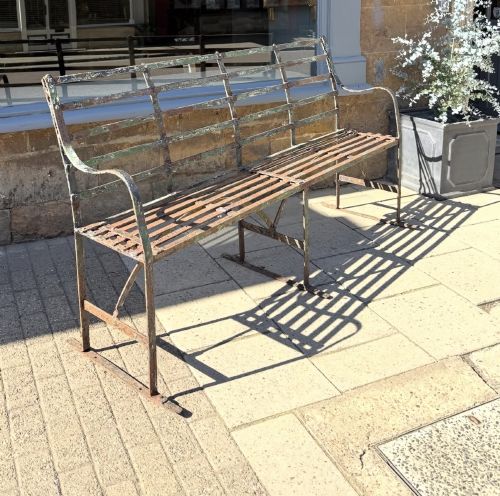
- Ornamental work composed of flat, narrow bands resembling leather straps. It appears on Regency era benches to create geometric patterns.
- Wirework
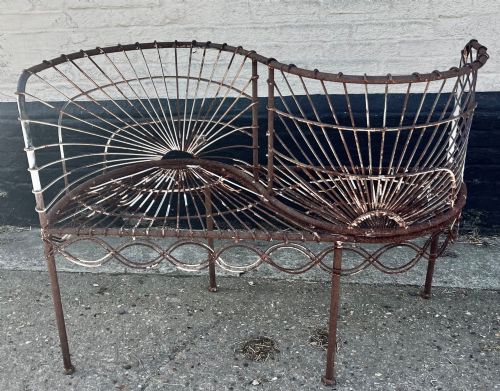
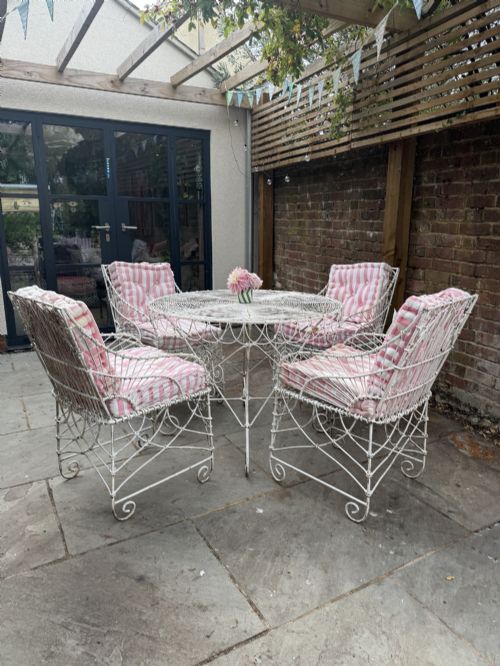
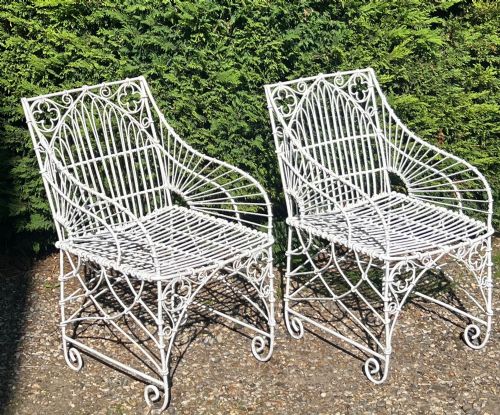
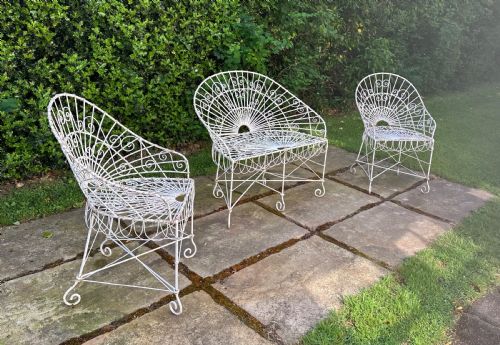
- Furniture constructed from bent metal wire, creating open and airy garden seats. This style became prominent during the Victorian period.
- Bistro set
- A small table accompanied by matching chairs, designed for compact dining spaces. French examples frequently utilise folding designs for easy storage.
Metal Work Chair: Frequently Asked Questions
How do I maintain an iron garden chair?
Iron garden furniture requires regular inspection for moisture exposure and surface wear to prevent rust formation. Applying protective coatings helps preserve the metal integrity outdoors.
Storing pieces during harsh winter months or keeping them under cover extends the lifespan of painted and bare metal surfaces alike.
Can these metal chairs be used indoors?
Many iron and wirework chairs transition easily into interior spaces such as sunrooms, kitchens, or dining areas. Their industrial forms complement domestic decor.
Protecting indoor flooring from heavy metal feet or cold-wrought iron is recommended when placing these pieces on delicate wooden or carpeted surfaces.
What defines a French bistro chair?
French bistro chairs often feature folding iron frames designed for quick setup and space-saving storage outside cafes. Their lightweight construction distinguishes them from heavy estate benches.
Many examples incorporate slatted iron seats and curved backs for practical daily use in commercial or domestic settings.
How do I identify a Regency period bench?
Regency benches typically display neoclassical restraint, incorporating geometric strapwork and balanced proportions. They reflect the design tastes of the early nineteenth century.
Examining the construction methods and the specific arrangement of iron bands helps separate these formal pieces from later Victorian revivals.