



Metal Wall Sculpture
A metal wall sculpture brings depth and historical character to a room, offering sculptural relief cast in bronze, copper, and iron.
Metal Wall Sculpture
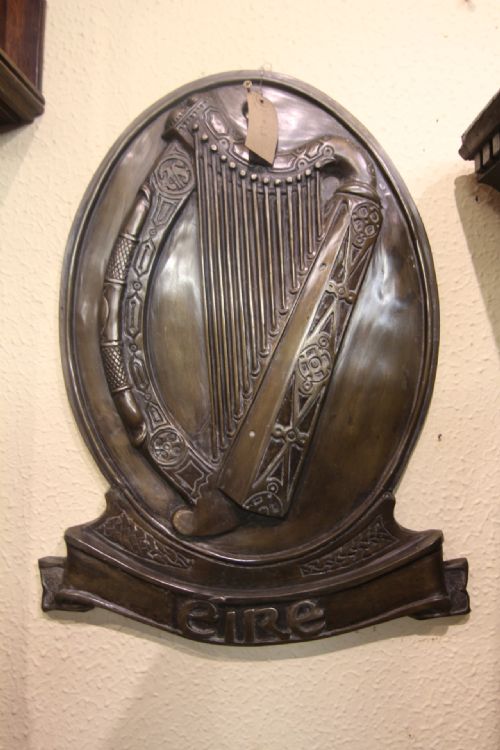
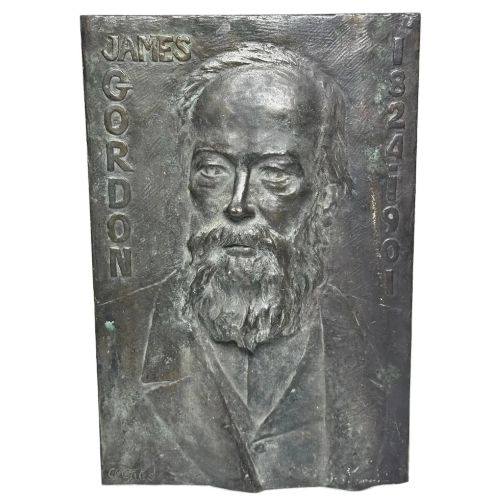
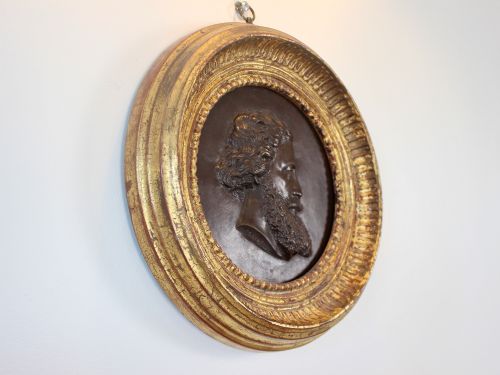
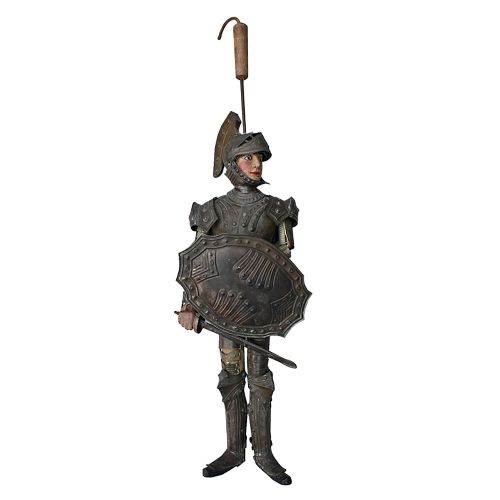
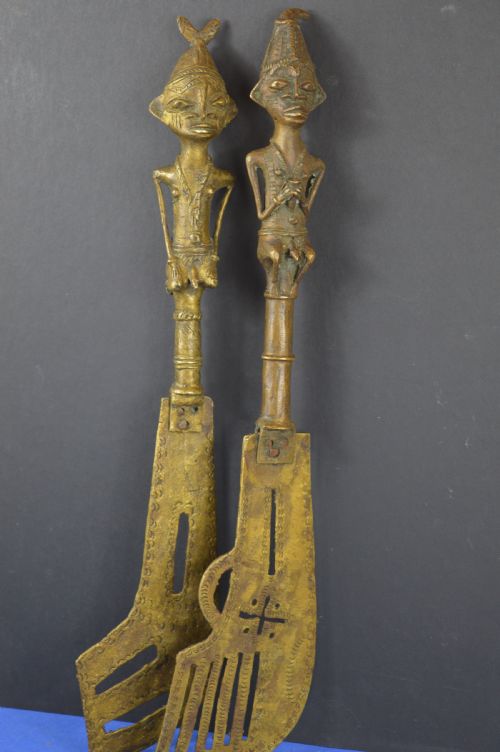
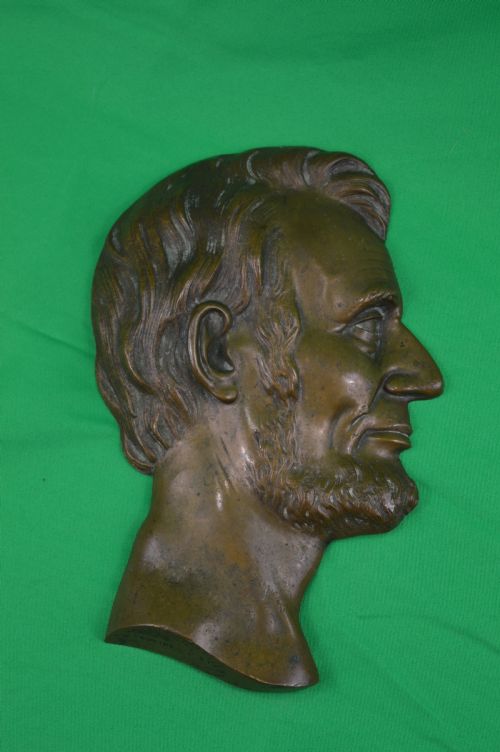
When you search for metal wall sculpture, you encounter diverse wall plaques, relief panels, and figural pieces produced across the nineteenth and twentieth centuries. These works range from portrait plaques of historical figures and classical deities to folk art figures and heraldic crests intended for display on vertical surfaces.
The most common examples on this page are cast bronze portrait plaques and relief panels dating from the nineteenth century and the Edwardian era. You also find specialised items such as copper weathervanes, sheet metal fairground figures, and cast iron heraldic crests spanning into the twentieth century.
How they were made
Sheet metal pieces involved cutting, beating, and shaping base metals into dynamic silhouettes like galloping horses or architectural weathervanes. Heavier elements combined metal figures with wooden mounts, ebonised wood frames, or giltwood backdrops.
Metal Wall Sculpture Retail Price Guide 2026
Typical asking prices for metal wall sculpture among the pieces listed under this phrase on Sellingantiques today, from the lower quarter to the upper quarter. They describe what is for sale here now, not the wider market.
What varies in quality
Quality rests in the crispness of the casting and the sensitivity of the hand-finishing, which distinguishes a master modeller's work from a commercial foundry copy. Superior portrait plaques and figural reliefs display anatomical precision, distinct facial expressions, and well-executed signatures or foundry marks.
The choice of materials and secondary mounts also dictates the grade of the piece. Solid cast bronze with original patination and gilt highlights sits at the upper end, alongside signed works by known sculptors, whilst simpler sheet metal or later reproductions occupy a different category.
The Metal Wall Sculpture Glossary
- Relief
- A sculptural technique where the sculpted elements remain attached to a solid background of the same material. High relief projects significantly from the background, whilst low relief shows a shallower depth.
- Patina
- The surface coloration and sheen acquired by metal through age, handling, or intentional chemical treatment. A stable patination adds visual depth to bronze and copper pieces.
- Giltwood
- Wood that has been coated with gold leaf or gold paint. It frequently forms the decorative frame or backing panel for nineteenth-century relief plaques.
- Maquette
- A small-scale preliminary model or sketch created by a sculptor before executing a larger finished work. These early models capture the immediate gesture of the design.
- Weathervane
- A movable device attached to an elevated structure to show the direction of the wind. Antique versions often feature shaped copper or sheet metal figures.
Metal Wall Sculpture: Frequently Asked Questions
How do I hang a heavy metal wall sculpture?
Heavy cast bronze or iron pieces require secure wall anchors and fixings rated for substantial weight, rather than standard picture hooks. Ensure the weight is distributed evenly across proper structural supports.
Check that the mounting bracket or integrated hanging loop on the back of the plaque is stable before committing the piece to the wall.
Should I clean the surface of an antique bronze plaque?
Original patination should be preserved rather than polished away, as aggressive cleaning removes the historical surface layer collectors value. Gentle dusting with a dry, soft cloth is sufficient for routine maintenance.
Avoid using metal polishes or chemical solvents on antique bronze, brass, or copper relief panels to prevent permanent damage to the finish.
How can I tell a nineteenth-century plaque from a later copy?
Examine the rear of the piece for casting methods, fixing types, and wear patterns consistent with age. Nineteenth-century castings often exhibit hand-finished tool marks and period-appropriate mounting hardware.
Signatures, foundry stamps, and the quality of the metal patination offer further clues regarding the actual period of manufacture.
What is the difference between a wall plaque and a relief sculpture?
A wall plaque generally refers to a flat-backed panel intended primarily for vertical display, often commemorating a person, place, or event. Relief sculpture describes the technique of projecting forms from a flat background.
Many pieces function as both, featuring figural relief work mounted onto a dedicated wall panel or wooden backing.