




Metal Tripod Table
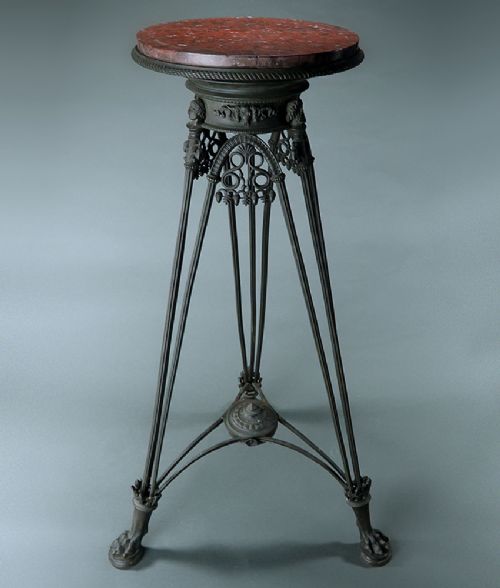
A metal tripod table brings industrial strength and classical proportion together in a compact footprint that suits any room.
Metal Tripod Table
A metal tripod table relies on a three-legged pedestal support, offering a stable footing even on uneven historic floors while maintaining a slender profile. When you search for a metal tripod table, you encounter diverse forms ranging from side tables and gueridon tables to bistro and garden furniture.
The materials span cast iron, wrought iron, brass, and copper, frequently paired with marble tops or wooden surfaces. These pieces emerge from periods such as the eighteenth, nineteenth, and early twentieth centuries, displaying styles from Victorian and Arts and Crafts to French Neoclassical and Art Nouveau.
Occasional tables, centre tables, and table lamps also share this foundational three-legged architectural format. Most examples hail from French, English, or Italian workshops, reflecting the widespread European embrace of metalwork in domestic and garden settings.
How they were made
Foundry casting created the robust iron bases and intricate scrollwork seen on nineteenth-century examples, while brass and copper components were beaten, turned, or joined with mechanical fasteners. Wrought iron pieces demanded the blacksmith's forge, shaping hot metal into slender stems and supportive collars.
Surface treatments included patinated bronze effects, ebonised elements, and engraved detailing on removable metal trays. Inlaid marble slabs and inset porcelain plaques provided heavy, contrasting upper surfaces that anchored the light metal supports beneath.
Metal Tripod Table Retail Price Guide 2026
Typical asking prices for metal tripod table among the pieces listed under this phrase on Sellingantiques today, from the lower quarter to the upper quarter. They describe what is for sale here now, not the wider market.
Design styles span the nineteenth and twentieth centuries, including Victorian, Arts and Crafts, Art Nouveau, and French Neoclassical movements.
What varies in quality
The integrity of the structural joints and the crispness of the casting distinguish superior examples from standard utility items. Clean lines in cast iron scrollwork and tightly fitted marble tops indicate careful craftsmanship during manufacture.
Material combination and decorative ambition set finer pieces apart, such as those featuring hand-engraved copper trays, applied brass mounts, or genuine porcelain centre inserts. The weight distribution between the upper surface and the tripod base dictates stability and physical presence.
WAS Benson·Weisweiler
The Metal Tripod Table Glossary
- Guéridon
- A small occasional table supported by a central column or tripod base, originating in seventeenth-century France. They frequently feature marble tops and decorative metal mounts.
- Pricket candlestick
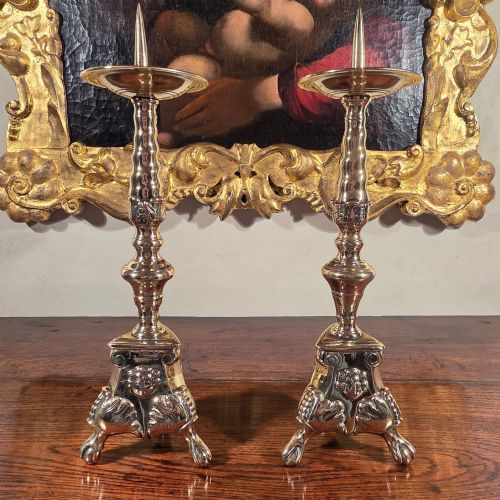
- A candleholder featuring a sharp central spike that secures the wax candle from beneath. These items often employ sturdy metal tripod bases for stability.
- Bain Marie
- A heated water bath used for keeping food warm, which occasionally appears adapted as a metal tabletop or stand. These industrial pieces utilise heavy copper construction.
- Toleware
- Painted or enamelled metalware, typically tin or iron, developed in Europe during the eighteenth and nineteenth centuries. It brings colour and decorative motifs to small tables and stands.
- Scrollwork
- Ornamental work consisting of spiralling scroll patterns, commonly executed in cast iron or wrought iron. It defines the decorative character of many Victorian bases.
Metal Tripod Table: Frequently Asked Questions
What is a metal tripod table?
A metal tripod table is a small support piece featuring a three-legged base constructed from iron, brass, or copper. These tables often incorporate marble, wood, or metal tops.
They serve as versatile occasional surfaces, gueridon tables, or garden furniture across various nineteenth and twentieth-century European styles.
How do I style a metal tripod table?
These tables fit easily beside armchairs, in narrow hallways, or as bedside surfaces due to their compact footprints. Their mixed metal and stone materials pair well with both traditional and modern interiors.
Use them to display lamps, small sculptures, or plants where a heavy wooden table might overwhelm the space.
Are these tables suitable for outdoor use?
Certain versions, particularly those made from cast iron or garden-specific designs, were built to withstand outdoor conditions. French café and garden tables from the early twentieth century function well on patios.
Pieces with delicate brass elements, ebonised wood, or marble tops are generally better suited to indoor environments to protect their patination.
How do I identify the period of a metal tripod table?
Dating relies on stylistic clues, manufacturing techniques, and material combinations seen in the piece. Victorian examples often display heavy cast iron scrollwork, while Arts and Crafts items favour hammered brass.
Twentieth-century pieces introduce simpler industrial lines or specific patinations associated with nineteen-twenties production methods.