


Metal Taper Candle Holders
Metal taper candle holders provide steady light and sculptural presence, spanning Georgian formality through to Art Nouveau curves.
Metal Taper Candle Holders
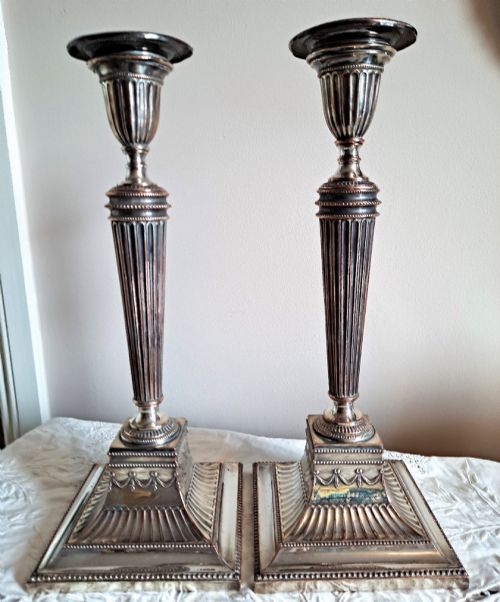
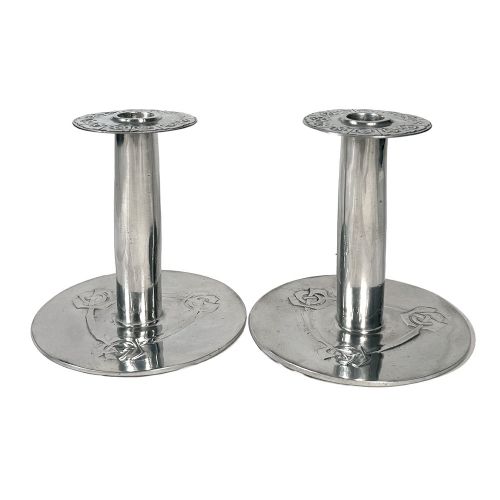
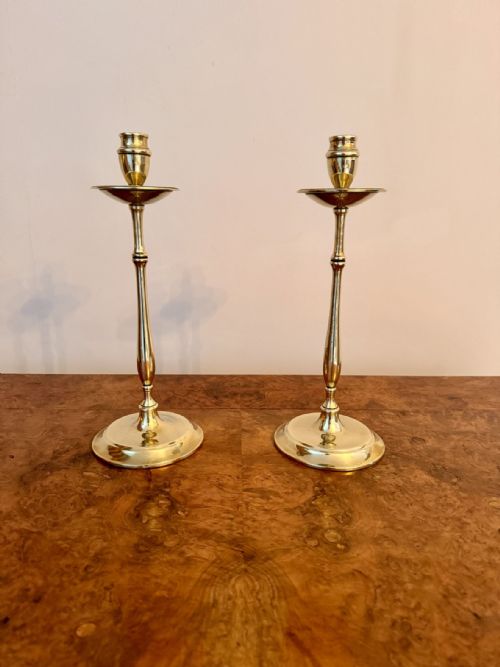
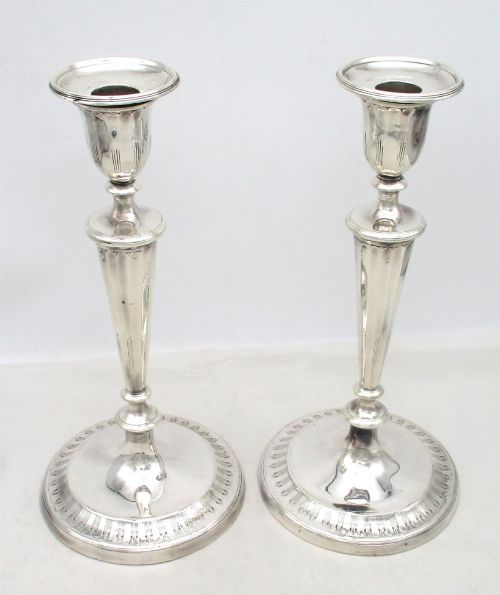
Metal taper candle holders span multiple centuries of domestic lighting, originating as practical household items before becoming decorative objects. The selection concentrates heavily on pairs from the eighteenth and nineteenth centuries, alongside Edwardian and Art Deco examples.
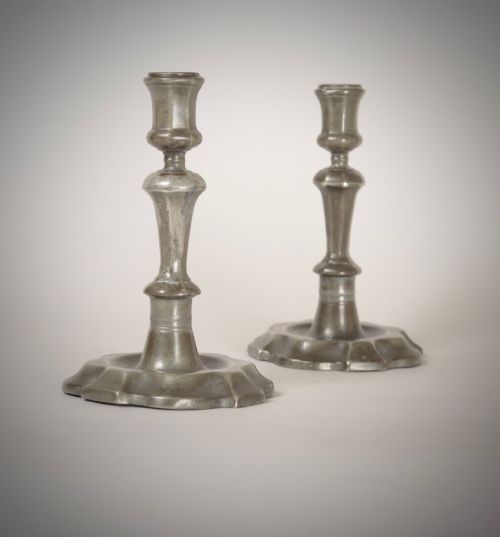
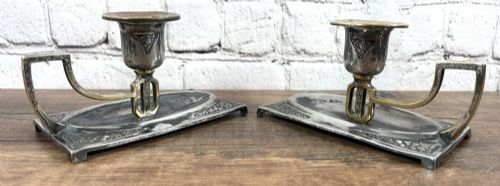
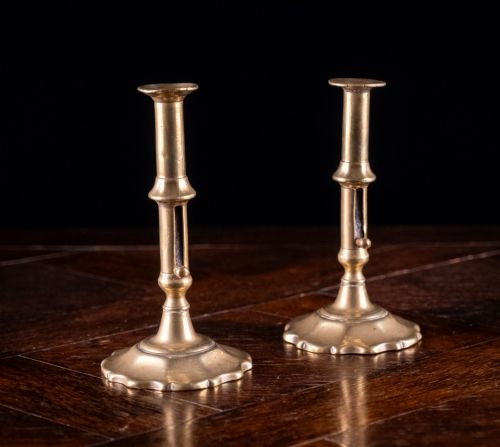
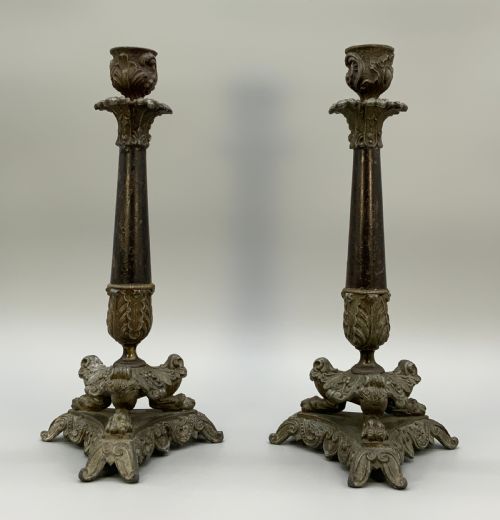
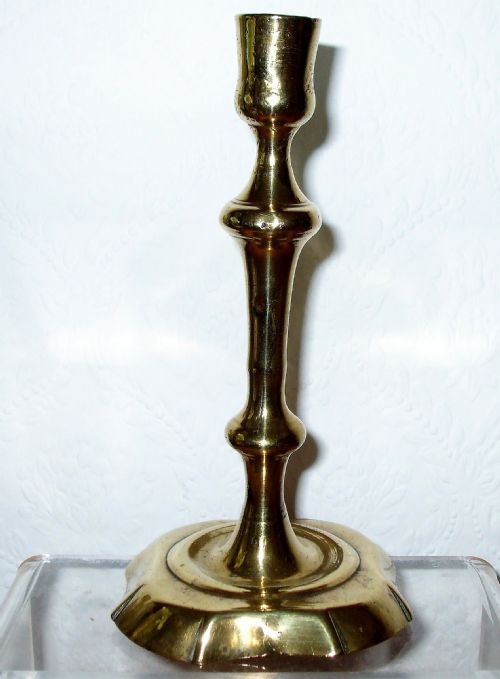
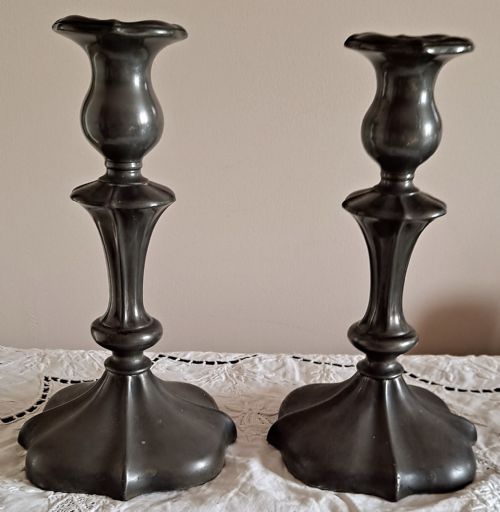
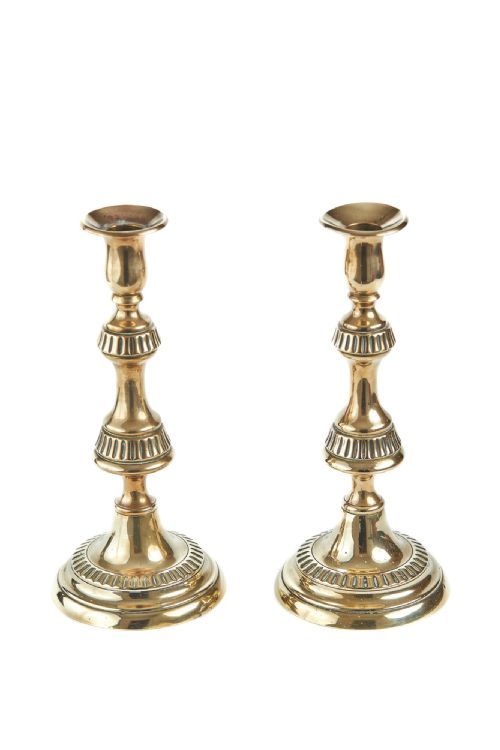
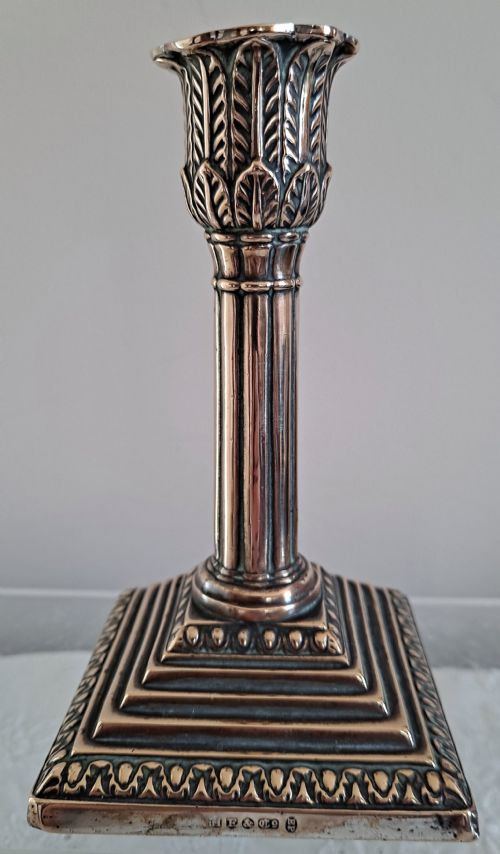
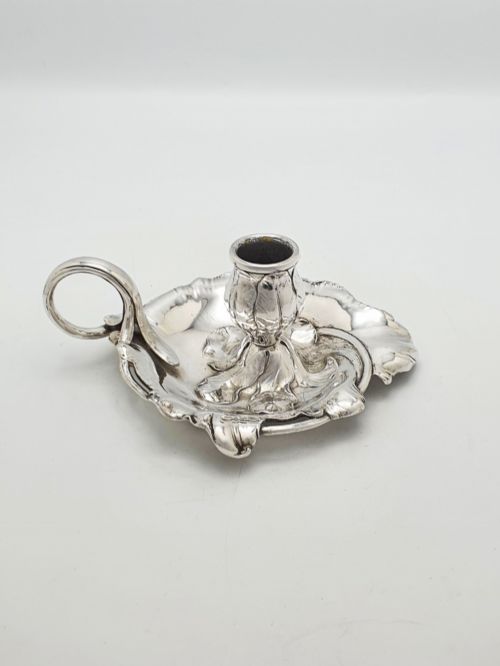
Forms range from tall brass desk sticks and chambersticks with leaf drip pans to heavy bronze and pewter pairs. Buyers encounter variations including petal bases, scalloped edges, and seamed construction reflecting changing interior tastes.
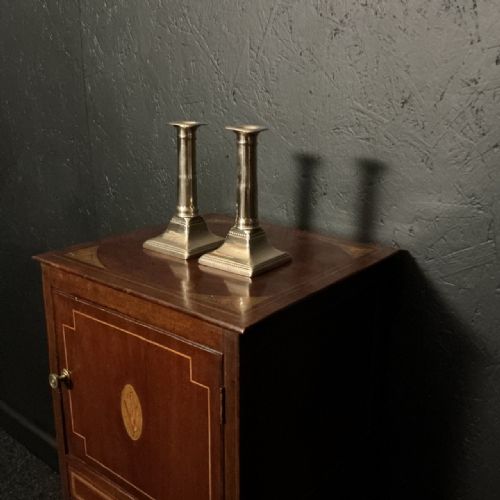
Origins stretch across English, French, and continental workshops, utilising stylistic idioms from George II through to the Arts and Crafts movement. These items appear predominantly as pairs, designed to balance mantelpieces and dining tables.
Materials and Construction
Brass dominates the material record, often shaped through casting or seamed construction where components join invisibly. Bronze and gun metal appear in heavier, patinated forms, while silver plating covers base metals to mimic solid silver.
Metal Taper Candle Holders Retail Price Guide 2026
Typical asking prices for metal taper candle holders among the pieces listed under this phrase on Sellingantiques today, from the lower quarter to the upper quarter. They describe what is for sale here now, not the wider market.
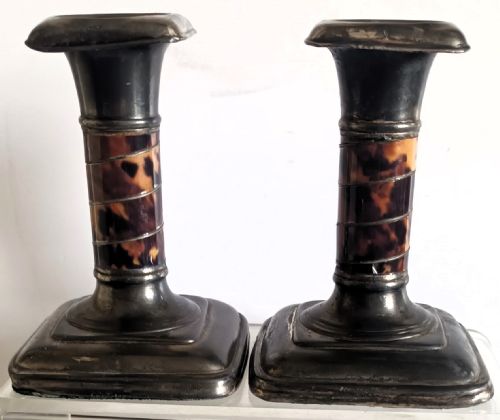
Materials span brass, silver plate, pewter, bronze, cast brass, copper, iron, and tortoiseshell across eight distinct design styles.
Quality and Distinction
Execution of cast detail separates standard production from superior work, visible in the crispness of petal bases and floral motifs. Weight and balance indicate the substance of the metal used by the founder.
Original surface patination, whether patinated bronze, aged brass, or intact silver plating, preserves the historical integrity of the object. Precision in seaming and the survival of matching pairs elevate individual examples.
WMF
The Metal Taper Candle Holders Glossary
- Chamberstick
- A low candle holder fitted with a shallow pan and a ring handle for carrying around a house. They often include a small socket for a conical snuffer.
- Ejector
- A mechanism inside the shaft that pushes out remaining candle stubs. This mechanical feature simplifies cleaning.
- Seamed
- Formed from sheet metal joined along a vertical line rather than cast in one solid piece. This technique was common in eighteenth-century workshop production.
- Petal base
- A rounded foot shaped into lobes resembling flower petals. This decorative form appeared frequently on Georgian brass candlesticks.
- Taper
- A slender candle designed to burn quickly, or the holder sized specifically to receive it. These items require narrower sockets than standard household candles.
Metal Taper Candle Holders: Frequently Asked Questions
How do I date brass candlesticks?
Dating relies on manufacturing techniques, base shapes, and stylistic markers recorded in the metalwork. Seam lines, casting methods, and foot designs correlate with specific periods from the seventeenth century onward.
Changes in domestic lighting habits also dictate height and proportion, shifting from heavy seventeenth-century forms to slender Edwardian designs.
Were these holders made in pairs?
Many examples survive as matching pairs intended for symmetrical placement on mantelpieces, sideboards, or dining tables. Single pieces do appear, originating from larger sets or desk collections.
Matching pairs command distinct interest from collectors seeking balanced decorative arrangements for period interiors.
What is a chamberstick used for?
A chamberstick provided portable illumination for navigating dark hallways and bedrooms before the arrival of gaslight or electricity. The attached saucer caught dripping wax while the loop handle allowed secure carriage.
Many retain sockets for small conical snuffers to extinguish the flame safely.
How do I clean antique brass?
Preserving the aged surface patination is standard practice among collectors who value historical depth over bright shine. Dusting with a soft cloth removes particulate matter without disturbing the metal.
Aggressive chemical polishing strips away centuries of oxidation and diminishes the character of the piece.