



Metal Storage Box
A metal storage box serves as a durable receptacle for keeping possessions secure, spanning heavy travel trunks to small tea canisters.
Metal Storage Box
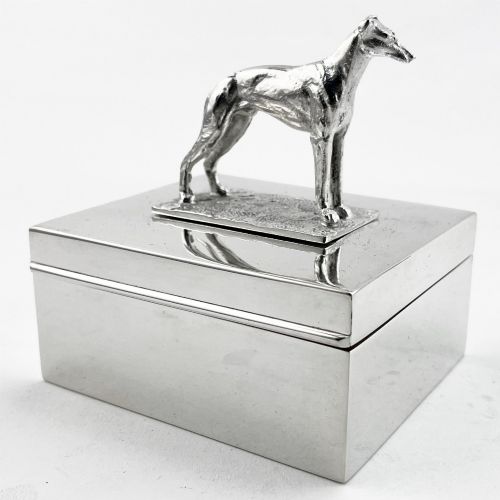
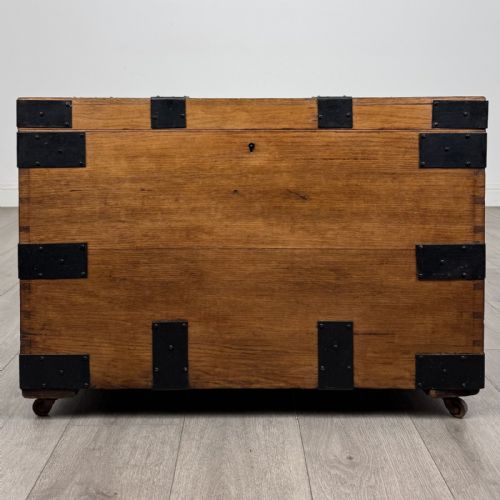
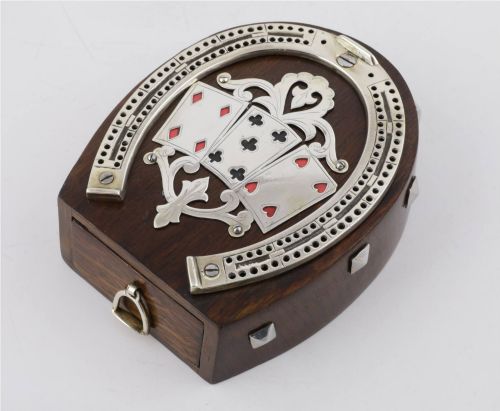
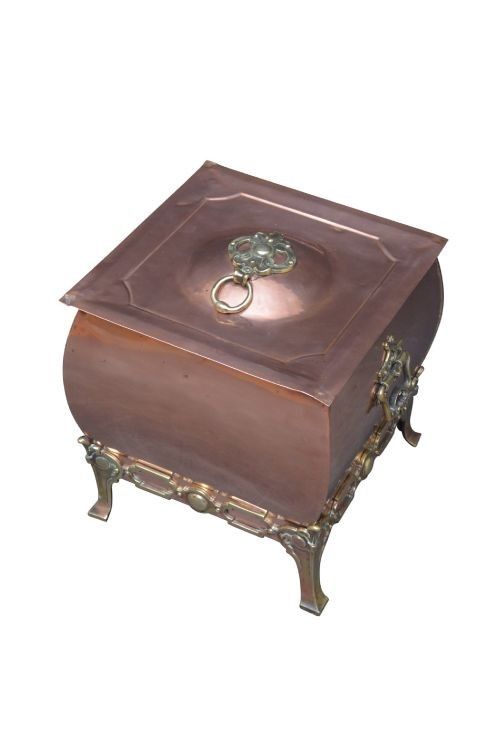
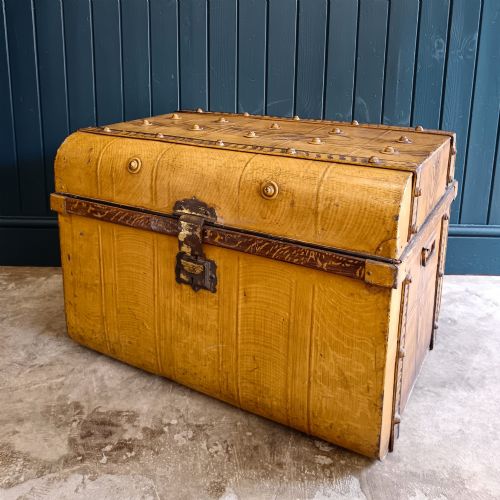
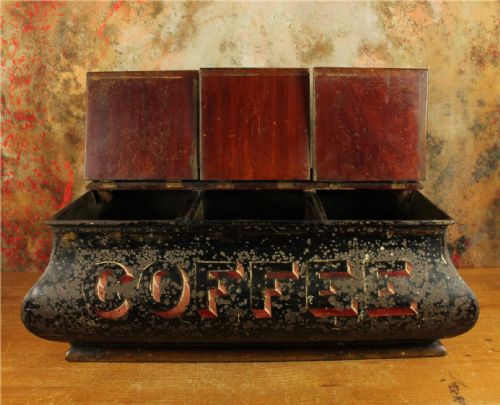
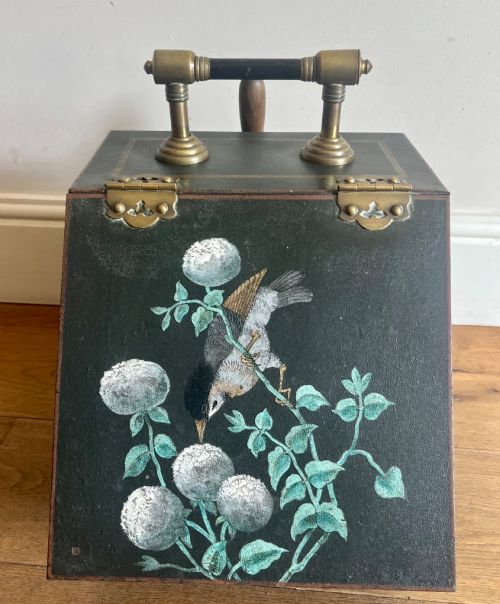
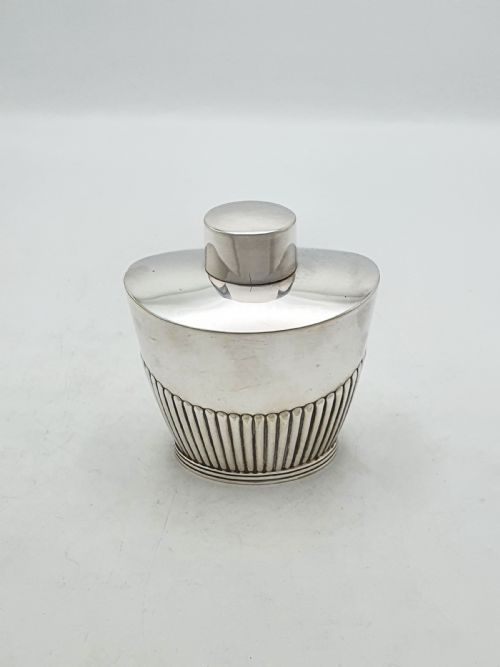
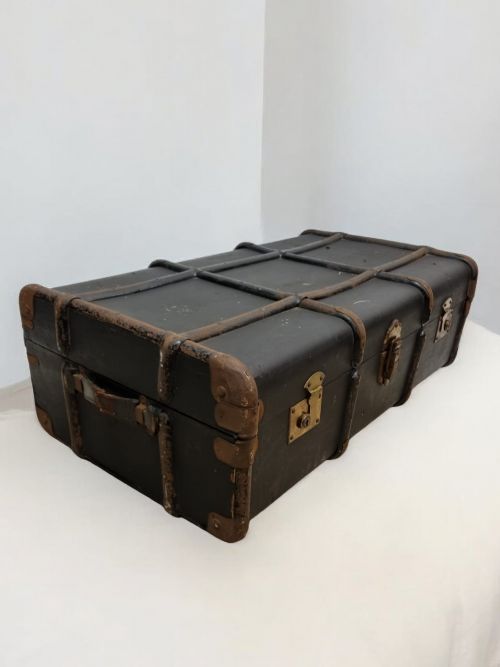
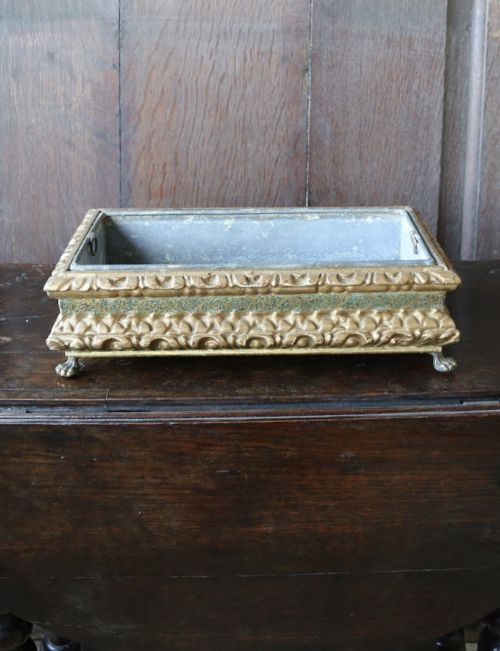
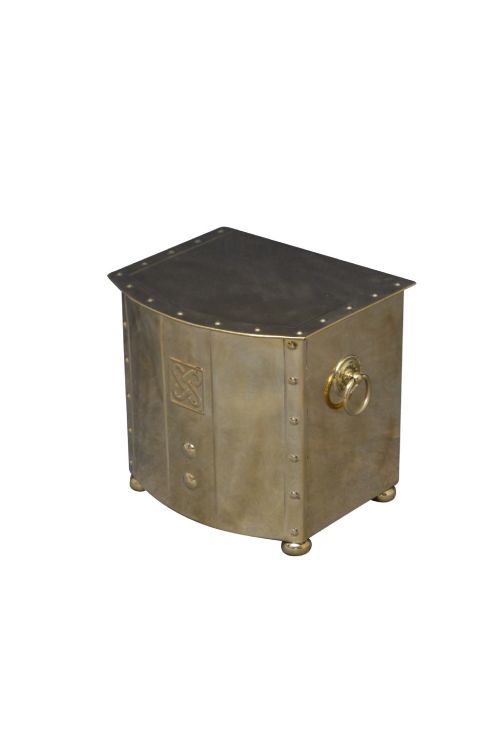
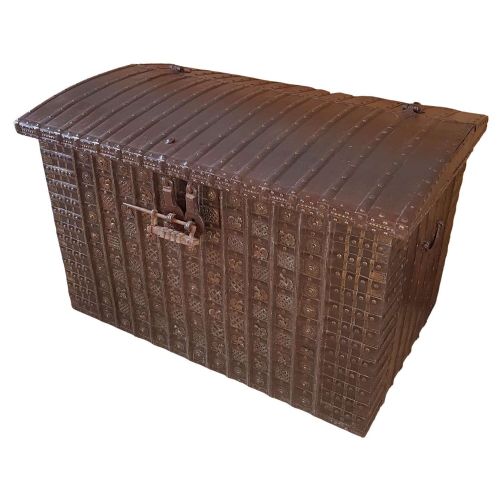
A metal storage box encompasses utilitarian trunks, travel luggage, document tins, coal scuttles, and small caddies designed for security or containment. The selection ranges from nineteenth-century iron-banded trunks and toleware document boxes to early twentieth-century travel luggage and tea canisters.
Victorian examples dominate the listings, often combining robust oak or pine bodies with iron or brass bands, alongside painted toleware and sheet metal containers. Buyers frequently encounter travel trunks, coal bins, and document boxes spanning the Georgian to the early twentieth-century utility periods.
Origins vary widely across the inventory, including English campaign chests, French toleware, Japanese tansu chests, and Indian dowry trunks. Each regional style reflects specific domestic or travel requirements of its era.
Materials and construction methods
Construction relies heavily on sturdy woods such as oak, pine, and leather reinforced with structural iron, brass, or steel bands and corner brackets. Sheet metal, copper, and toleware form lighter vessels, whilst specialised linings utilise zinc or silver plating.
Hardware such as original locks, handles, and hinges play a primary role in securing these containers for travel or domestic storage. Painted finishes, faux-wood effects, and gilt decoration frequently adorn the exterior surfaces of metal-bound chests and tin boxes.
Metal Storage Box Retail Price Guide 2026
Typical asking prices for metal storage box among the pieces listed under this phrase on Sellingantiques today, from the lower quarter to the upper quarter. They describe what is for sale here now, not the wider market.
The listings feature diverse materials including oak, pine, toleware, sheet metal, brass, and iron across periods spanning the sixteenth to the twentieth centuries.
Assessing build and survival
Quality rests upon the integrity of the original hardware, hinges, and locks, alongside the retention of untouched painted or polished surfaces. Trunks and boxes retaining their maker's plates, fitted interiors, or original linings demonstrate superior survival.
The precision of metal banding, dovetail or pegged joinery in the wooden carcasses, and the weight of the sheet metal or iron distinguish heavy-duty campaign pieces from lighter domestic items.
Samuel Pratt·Mappin & Webb·THOMAS BRADBURY·Seabrook of St.Pauls, London·Allen of London·Huntley & Palmers
The Metal Storage Box Glossary
- Toleware
- Lacquered or enamelled metalware, typically tin or sheet iron, often decorated with hand-painted motifs. This technique appears frequently on coal scuttles, document tins, and kitchen buckets.
- Campaign case
- Portable furniture and luggage designed for military officers or travellers on active service. These pieces usually incorporate sturdy carrying handles, reinforced corners, and secure locks.
- Silver chest
- A heavy wooden box reinforced with iron or steel bands, lined to protect valuable tableware. They date predominantly from the Victorian period and feature robust carrying handles.
- Coffer
- A large wooden chest traditionally used for storing valuables, often bound in iron for added security. Early examples display dense timber construction and primitive locking mechanisms.
- Damchiya
- An ornate traditional Indian storage chest or dowry box, frequently mounted with iron bands and intricate hardware. They serve as substantial receptacles for household textiles and valuables.
Metal Storage Box: Frequently Asked Questions
What were metal storage boxes originally used for?
These vessels fulfilled diverse roles, from transporting military equipment and personal luggage on long journeys to housing domestic provisions like tea, tobacco, and coal. Larger trunks safeguarded silver and valuable household goods during transit.
Smaller receptacles functioned as document tins for solicitors or decorative containers for daily household use.
How do I care for an antique metal and wood chest?
Maintain the timber surfaces with appropriate natural waxes whilst keeping metal components clean and dry to prevent corrosion. Avoid placing these boxes in areas subject to dampness or extreme temperature fluctuations.
Preserve original painted finishes and paper linings by dusting gently with a soft cloth rather than using harsh liquid cleaners.
How can I distinguish a Victorian trunk from an Edwardian one?
Victorian examples frequently display heavier iron banding, hand-hammered rivets, and dark oak or pine construction designed for rigorous travel. Edwardian pieces often incorporate lighter materials, refined brass hardware, and standardised commercial locks.
Stylistic shifts towards early twentieth-century utility also introduce simpler geometric lines and alternative painted finishes.
Are campaign trunks suitable for modern home interiors?
Their robust construction and practical internal capacity make them well-suited for storing blankets, books, or everyday items in contemporary living spaces. The combination of timber and metal provides a stable surface that functions effectively as a coffee table or hallway chest.