





Metal Mounted Glass
Metal mounted glass pairs transparent or coloured vessels with cast and plated metal frames, bringing together decorative glass and structural metalwork.
Metal Mounted Glass
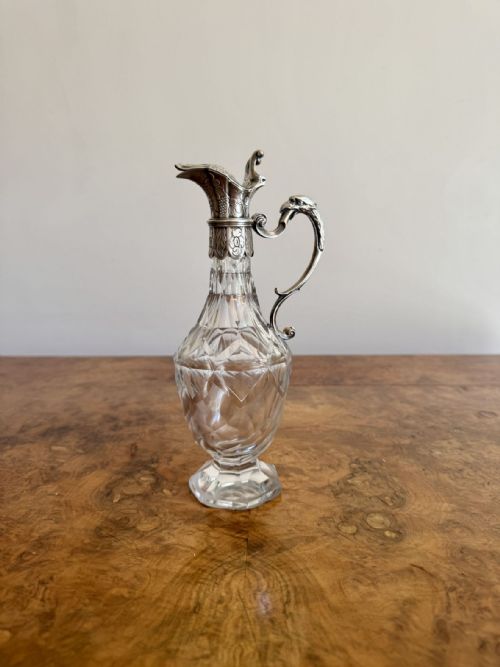
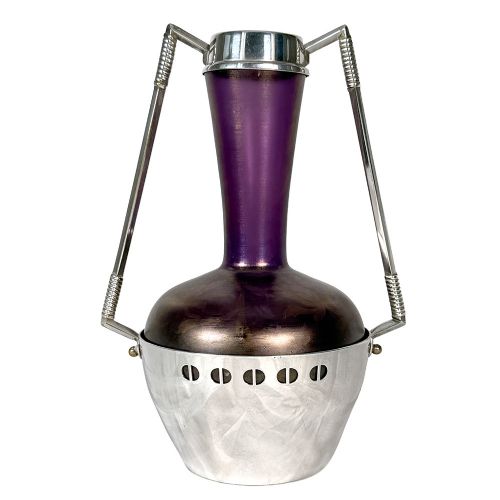
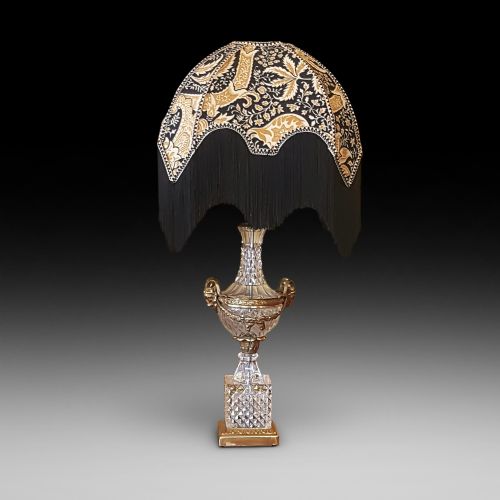
Metal mounted glass combines vessels and decorative containers with metal collars, handles, bases, and frames. You will frequently encounter table lamps, biscuit barrels, vases, and ewers set within these durable metal armatures. These items span Victorian, Edwardian, and Art Nouveau periods, reflecting a range of domestic and display uses.
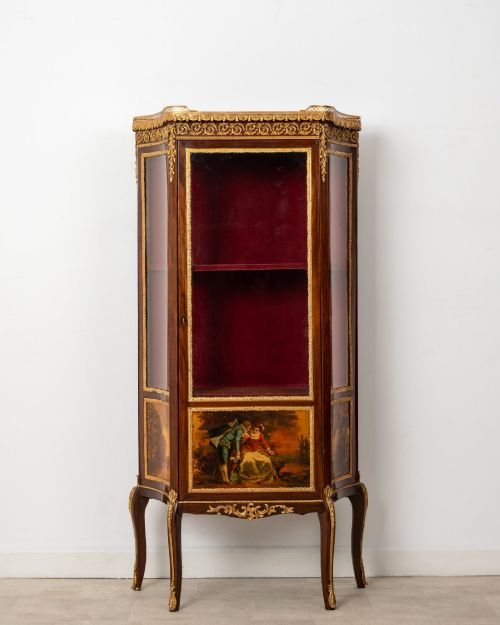
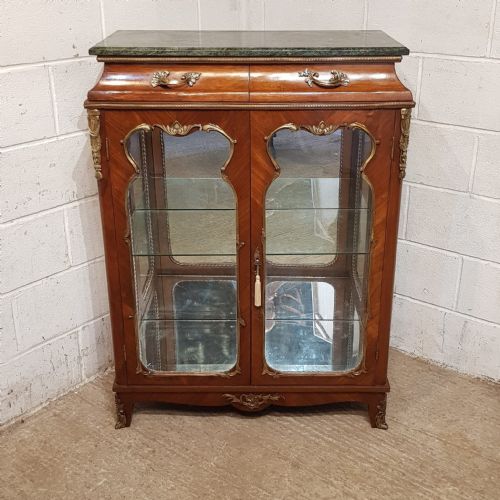
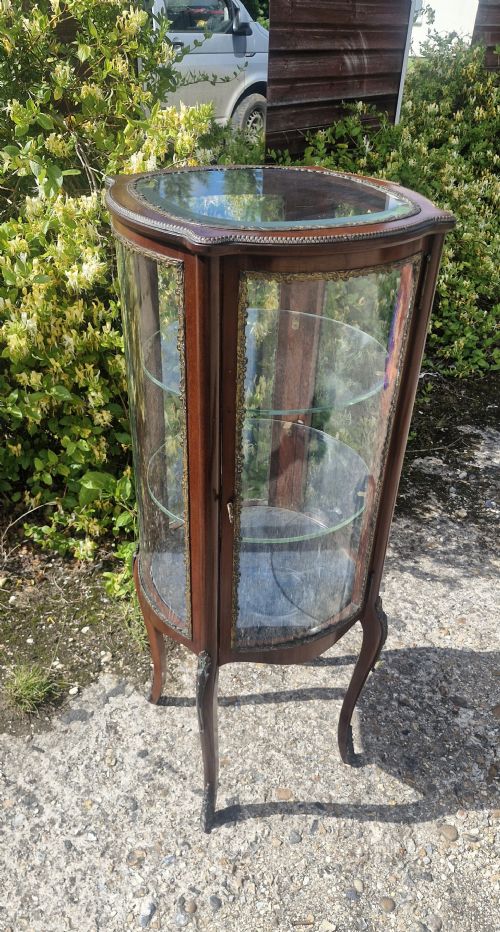
The collection includes larger furniture forms such as vitrines, display cabinets, and credenzas where glass panels and shelves are held within wood structures featuring metal mounts. Smaller decorative items like centrepiece vases and scent bottles also appear alongside these larger furnishing pieces. Origin designations lean towards Continental and French workshops, alongside domestic English examples.
Materials and construction techniques
Makers utilised glass in various forms including cut glass, crystal, cranberry glass, and iridescent finishes. This glass body was then joined to mounts cast in ormolu, gilt bronze, gilt metal, silver plate, or pewter overlay. Cabinetry pieces combined woods like mahogany and walnut with glass panels and metal mounts.
Metal components were cast, chased, and applied to secure the glass vessels or to frame cabinet doors and shelves. Techniques such as cut glass faceting and glass blowing shaped the central vessels before metal collars or frames were fitted.
Metal Mounted Glass Retail Price Guide 2026
Typical asking prices for metal mounted glass among the pieces listed under this phrase on Sellingantiques today, from the lower quarter to the upper quarter. They describe what is for sale here now, not the wider market.
Some biscuit barrels were designed to keep dry snacks crisp while looking sufficiently grand to sit on a Victorian dining table.
What separates the standard of these items
Quality rests upon the precision of the fit between the glass vessel and its metal mount. Superior examples show seamless integration where collars and handles align tightly with the contours of the glass without movement.
The refinement of the metalwork itself dictates the tier of the piece. Finely chased ormolu and detailed pewter overlays demonstrate greater craftsmanship than plain stamped metal plating.
Loetz·Argentor
The Metal Mounted Glass Glossary
- Ormolu
- Gilt bronze ornamentation applied to furniture, clocks, and glass vessels. The technique involves applying a gold amalgam to a bronze base.
- Biscuit Barrel
- A covered container designed for storing biscuits at the table, often rendered in glass with metal mounts and a hinged lid.
- Vitrine
- A glass-fronted cabinet used for displaying fine objects and porcelain, frequently featuring gilt metal mounts.
- Cranberry Glass
- A deep pink or red transparent glass produced by adding gold chloride to the molten glass batch during the manufacturing process.
Metal Mounted Glass: Frequently Asked Questions
What is metal mounted glass?
Metal mounted glass describes glassware and vessels that incorporate structural or decorative metal elements such as handles, rims, bases, and frames.
These additions served both practical functions, like strengthening fragile glass, and purely aesthetic purposes across various historic periods.
How do I clean metal mounts?
Cleaning requires careful separation of the glass and metal components if possible, using appropriate non-abrasive cloths for plated or gilded surfaces.
Harsh chemical polishes should be avoided to prevent stripping the gilt finish from ormolu or silver plate.
Where were these pieces made?
Many items originate from nineteenth-century France and Continental Europe, alongside English workshops of the Victorian and Edwardian eras.
Maker attributions range from major Art Nouveau firms to specialised glass and metal craft studios.
How should I display a vitrine?
Vitrines and display cabinets should be positioned away from direct sunlight to protect interior contents and wooden veneers from fading.
Placement should also consider stability to ensure glass shelves and mirrored backs remain secure.