




Metal Lion Ornament
These metal lion ornament examples bring fierce sculptural presence to a room, ranging from grand bronze studies to heavy cast iron doorstops.
Metal Lion Ornament
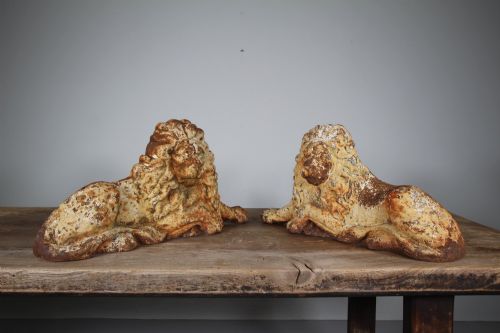
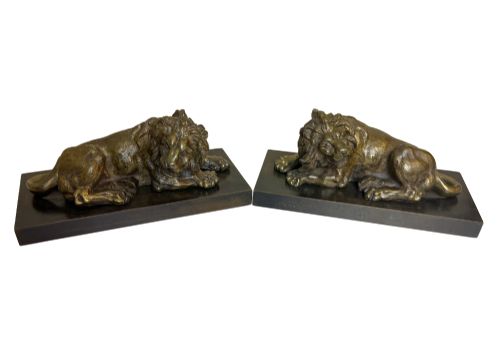
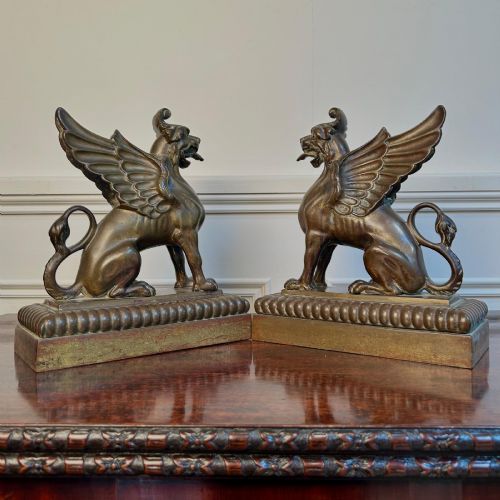
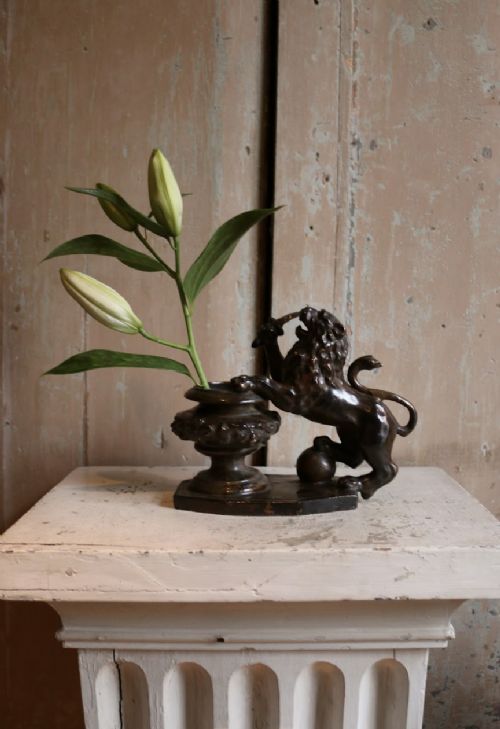
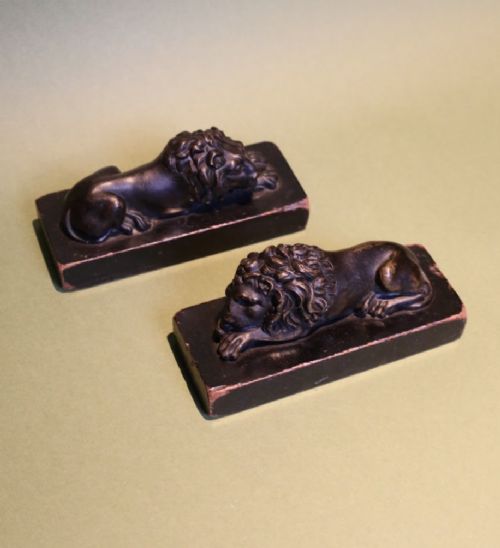
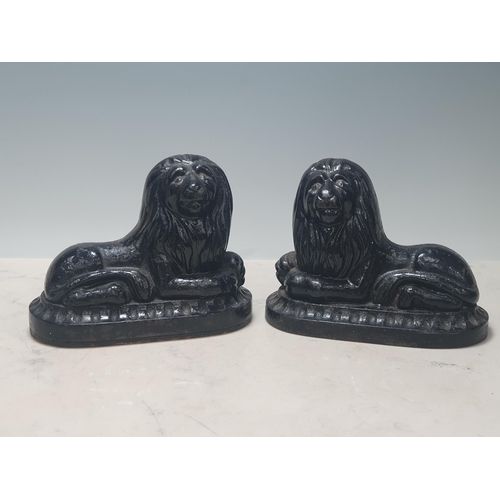
A metal lion ornament bridges desktop accessories and substantial floor pieces, appearing across forms such as inkwells, paperweights, doorstops, and freestanding statues. Sculptural pairs in bronze or brass dominate the selection, often taking the classical resting or seated posture.
The materials span bronze, brass, cast iron, pewter, and lead, frequently shaped into Victorian, Regency, and Neoclassical Revival styles. Useful desk objects like inkwells share space with heavy door porters and decorative temple figures.
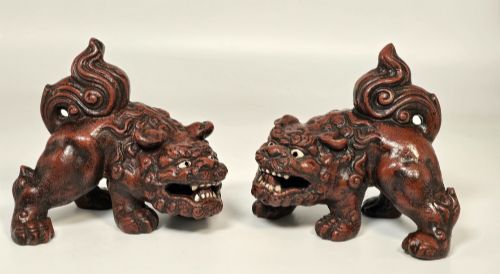
Origins stretch from English workshops to Japanese ironwork and Tibetan temple pieces, showing the diverse global reach of animal sculpture in the nineteenth century.
What varies in quality
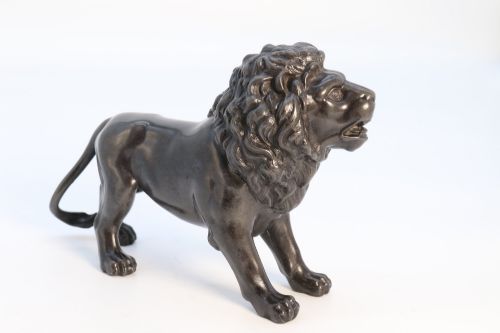
Quality rests primarily in the sharpness of the casting, where superior examples retain deep detail in the facial expression, claws, and mane without softening from worn moulds. Well-cast pieces show deliberate chiselling and finishing work after the metal leaves the sand or lost-wax mould.
The choice of material and weight dictates the presence of the object, as solid bronze and substantial cast iron hold a greater sculptural gravity than lighter alloys or hollow fabrications.
Metal Lion Ornament Retail Price Guide 2026
Typical asking prices for metal lion ornament among the pieces listed under this phrase on Sellingantiques today, from the lower quarter to the upper quarter. They describe what is for sale here now, not the wider market.
One unusual bronze grouping depicts a young man patiently feeding a lion, bringing an unexpected narrative charm to the metalwork.
Louis Riche·Unno Shomin
The Metal Lion Ornament Glossary
- Bronze
- A copper and tin alloy prized by foundries for its ability to hold fine detail and develop a rich patina over time. It forms the backbone of many nineteenth-century desk sculptures and animalier figures.
- Cast iron
- A heavy, durable iron-carbon alloy poured into moulds, widely utilised for utilitarian decorative objects like doorstops and fire irons where mass is required. It accepts dark paint finishes readily.
- Patina
- The surface sheen and colour acquired by metal through age, handling, and oxidation. Collectors value an undisturbed patination as evidence of period authenticity.
- Okimono
- A Japanese term for a freestanding decorative ornament or sculpture intended for display. These pieces demonstrate exceptional metallurgical skill and naturalist observation.
- Recumbent
- Lying down or resting, a common posture for large animal figures designed as doorstops or mantel ornaments. This pose provides a stable base for heavy metal castings.
Metal Lion Ornament: Frequently Asked Questions
Where were heavy doorstops placed?
Cast iron and brass lions served as functional door porters in nineteenth-century hallways, holding heavy interior doors open against draughts.
Their substantial weight prevented movement, combining utilitarian purpose with classical decorative display.
Are these desk ornaments functional?
Several examples incorporate inkwells, pen stands, or paperweight bases into the sculptural design, serving practical roles on period writing desks.
Collectors often check the interior wells for original glass inserts or liners which complete the desktop accessory.
What distinguishes Regency from Victorian styles?
Regency metalwork often draws directly on strict classical antiquities with restrained Neoclassical lines. Victorian and Gothic Revival pieces frequently embrace heavier ornamentation and dramatic naturalism.
Examining the cast form and decorative motifs helps separate the earlier restrained classicism from later Victorian exuberance.