



Metal Hearth Basket
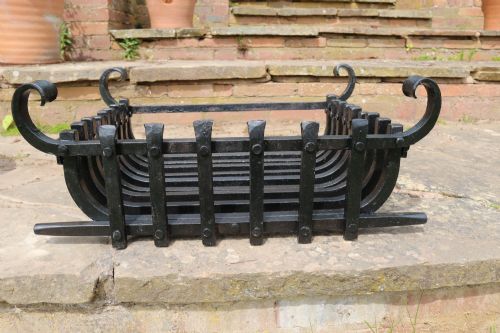
A metal hearth basket brings warmth and texture to a fireplace, holding logs and fuel with robust utility.
Metal Hearth Basket
When you search for a metal hearth basket, you encounter practical vessels designed to hold wood, coal, and kindling beside the fireplace. These pieces serve as functional hearth accessories that organise fuel while adding substance to a room.
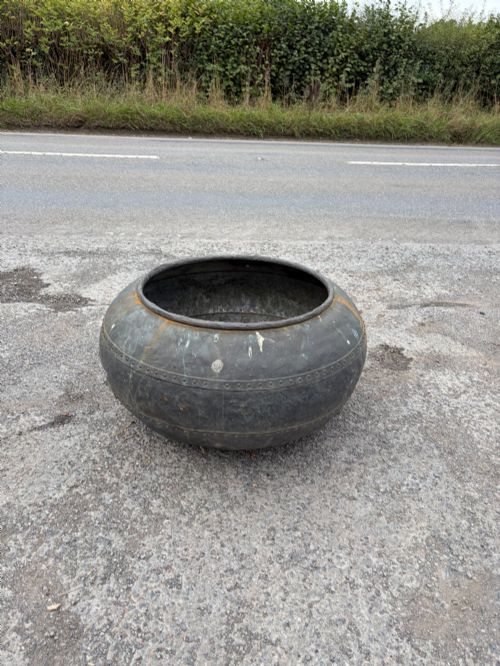
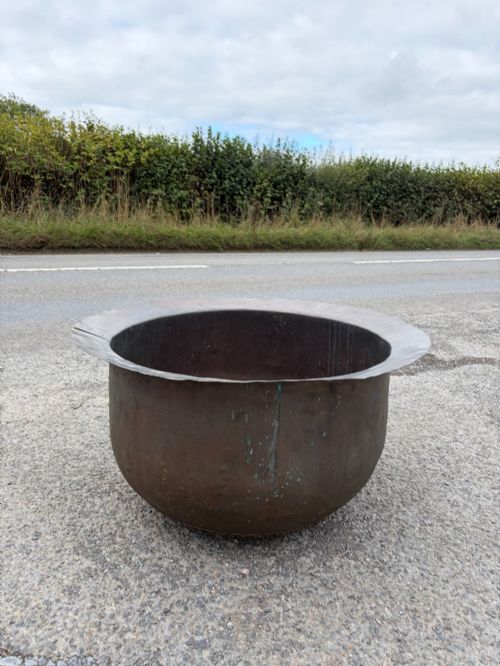
The most common versions on this page are copper and brass bins, buckets, and cauldrons dating from the nineteenth century. Many pieces originate from the Georgian and Victorian eras, often featuring sturdy iron frames or swing handles.
Beyond holding logs, these vessels frequently double as large planters and garden vessels. Their versatile forms range from simple utilitarian buckets to decorative Arts and Crafts designs.
Materials and Construction
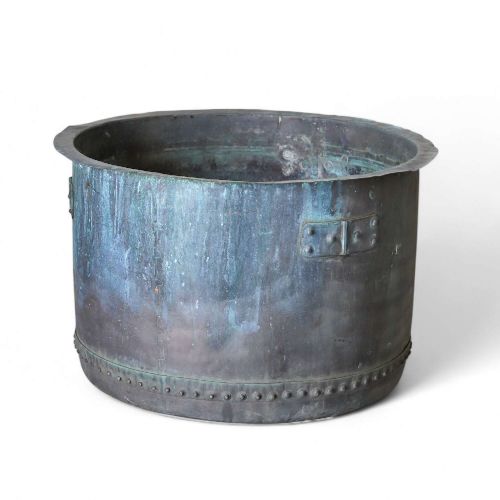
The construction of these vessels relies heavily on beaten and riveted sheet copper and brass, often assembled by hand. Artisans utilised durable iron for swing handles, frames, and specific fire baskets to withstand heavy loads and heat.
Many nineteenth-century examples display visible hand-riveting along the seams, a technique necessary for joining thick metal plates before modern welding. Wood and galvanised steel also appear in auxiliary components or utility variations.
Metal Hearth Basket Retail Price Guide 2026
Typical asking prices for metal hearth basket among the pieces listed under this phrase on Sellingantiques today, from the lower quarter to the upper quarter. They describe what is for sale here now, not the wider market.
Listings feature copper, brass, iron, wrought iron, wood, tin, and galvanised steel across multiple nineteenth-century and early twentieth-century periods.
Assessing Quality and Character
Quality in these vessels rests upon the thickness of the metal and the integrity of the original construction. Heavier gauge copper and solid brass structures retain their shape better and show superior resistance to dents and warping over centuries of use.
The presence of original iron fittings, intact swing handles, and uncompromised riveted seams elevates a piece. Natural patination accumulated through age adds depth to the surface, distinguishing genuine antique metalwork from lesser reproductions.
Petrus Ramus
The Metal Hearth Basket Glossary
- Cauldron
- A large, round metal pot, typically featuring a swing handle for suspension or carrying. These deep vessels were adapted from cooking uses to hold bulk fuel.
- Coal scuttle
- A container designed specifically to transport and store coal for a fireplace, often shaped with a sloped mouth or a hinged lid for easy pouring.
- Log bin
- A large vessel utilised to store firewood beside a hearth. They frequently appear in copper or brass with reinforced iron frames.
- Patina
- The surface sheen and colour developed on metal through age, handling, and exposure to the environment. Collectors prize undisturbed patination for its historical depth.
- Riveting
- A method of joining metal plates by inserting a metal pin and hammering the tail flat. Hand-riveted seams are a hallmark of older construction.
Metal Hearth Basket: Frequently Asked Questions
What is a metal hearth basket used for?
These metal vessels primarily serve to store and organise logs, kindling, and coal beside a fireplace. They keep fuel contained while adding a traditional decorative element to the hearth.
Beyond fireside duties, many larger copper and brass containers function as indoor or outdoor planters and garden vessels.
How do I date an antique copper log bin?
Dating relies on examining construction methods such as hand-riveted seams, handle attachments, and the overall weight of the metal. Georgian and Victorian examples often feature distinct stylistic cues like Art Nouveau motifs or Arts and Crafts simplicity.
Makers' marks or stamps, when present, provide definitive clues to the period of origin.
Are these vessels waterproof for plants?
Many copper, brass, and iron vessels hold moisture well, which explains their alternative use as garden planters. However, checking the interior for historic repair work or corrosion is advisable before direct planting.
Using a liner inside the metal container helps protect the antique interior from damp soil.
How do I clean a vintage copper bucket?
Cleaning depends on whether you prefer a bright, polished finish or wish to preserve the dark, natural patina accumulated over the decades. Gentle washing with warm soapy water removes surface dust without stripping the character.
Avoid harsh abrasives that can scratch the soft copper surface and diminish the historic finish.