





Metal Hall Furniture
Metal hall furniture brings robust utility and striking form to an entrance, combining cast iron, brass, and wrought iron into practical pieces designed to hold outerwear and umbrellas.
Metal Hall Furniture
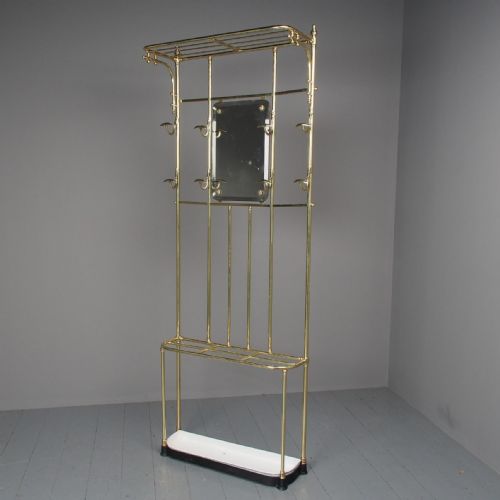
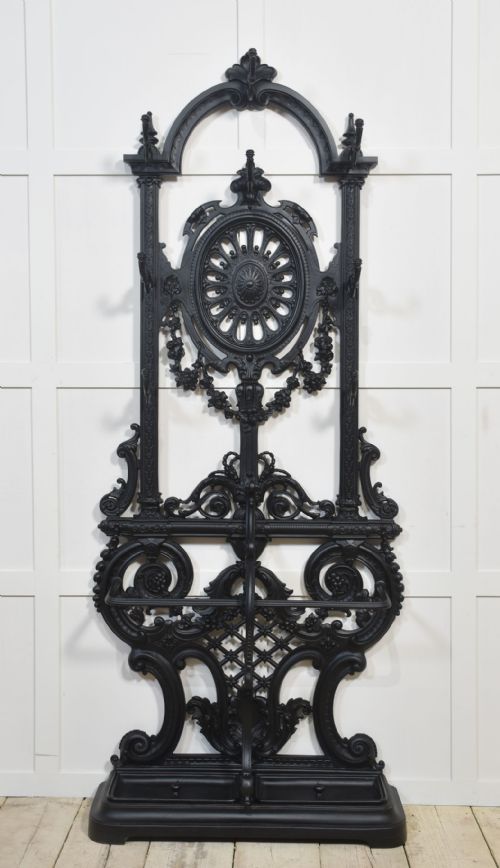
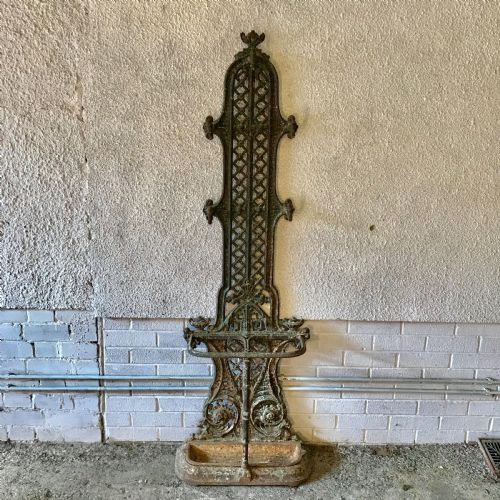
Metal hall furniture comprises practical items designed for entranceways, specifically hall stands, umbrella stands, stick stands, console tables, coat stands, and benches. These pieces organise outdoor wear and walking gear while setting a distinct visual tone near the front door.
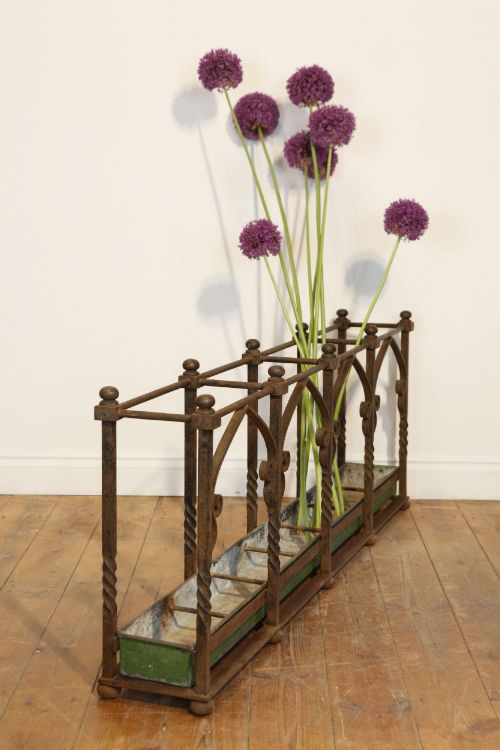
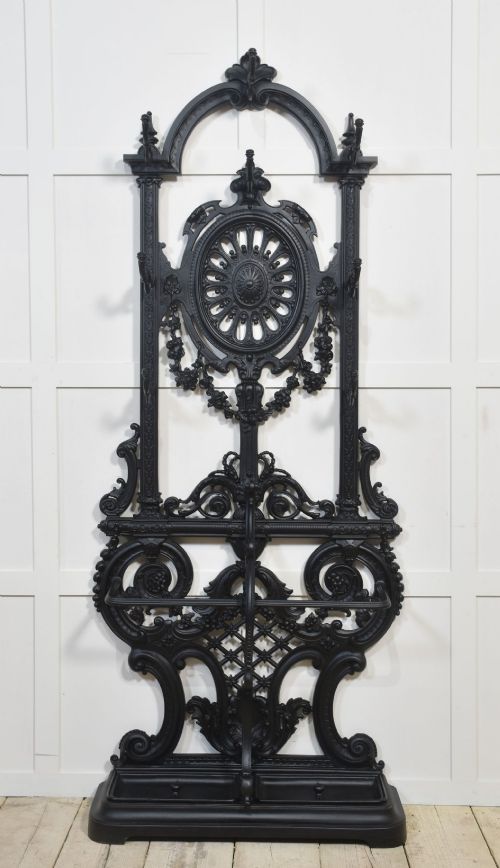
The selection encountered spans the nineteenth century, including Victorian, Edwardian, and nineteen hundred periods. Examples range from simple coatstands and iron hall seats to elaborate console tables with mirrors and Coalbrookdale style hall stands.
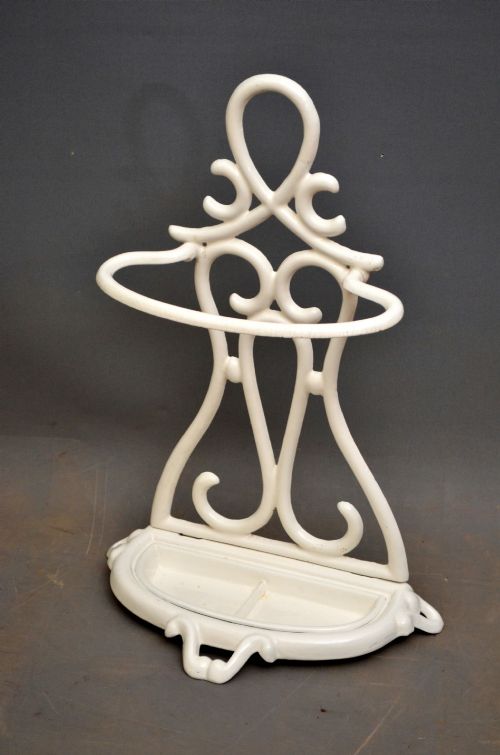
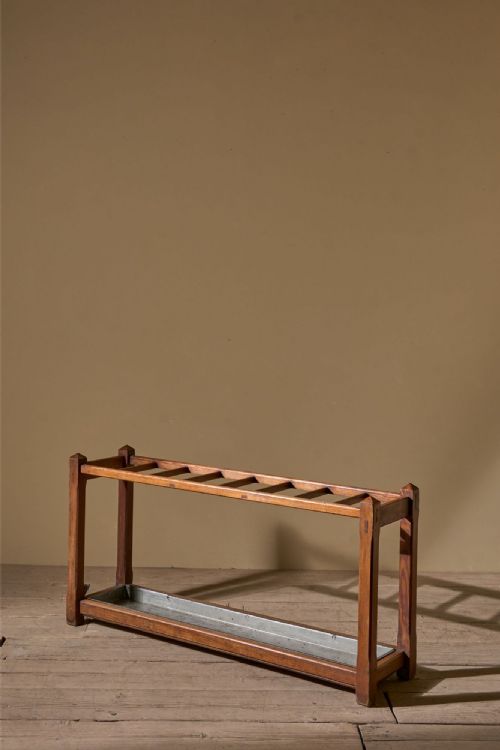
Materials span cast iron, wrought iron, brass, and zinc, occasionally paired with pine or oak and finished with paint or white enamel. Makers such as the Falkirk Foundry produced notable cast iron examples, while French Art Nouveau designs introduce distinct stylistic flair.
How metal hall furniture was made
Foundries utilised cast iron and brass to form rigid structural frames, intricate scrollwork, and sturdy umbrella wells. Molten metal was poured into moulds to achieve the ornate openwork patterns seen on Victorian Gothic and Art Nouveau pieces.
Wrought iron was hand-forged into resilient hooks and frames for coat stands and benches, offering high tensile strength. Timber components like pine and oak were integrated into console tables and seats, joined with traditional cabinetmaking methods.
Surfaces received protective and decorative finishes including paint and white enamel over zinc or cast iron components. Brass elements were polished to a bright sheen, while iron frameworks often featured dark, durable coatings to withstand daily hallway use.
Metal Hall Furniture Retail Price Guide 2026
Typical asking prices for metal hall furniture among the pieces listed under this phrase on Sellingantiques today, from the lower quarter to the upper quarter. They describe what is for sale here now, not the wider market.
Listings feature items spanning the Victorian, Edwardian, and nineteen hundred periods, constructed from cast iron, brass, wrought iron, zinc, pine, and oak.
What varies in quality
The refinement of the metalcasting separates standard utility items from finer foundry work. Crisp definition in cast scrollwork and botanical motifs indicates superior pattern-making and skilled execution.
Structural integrity depends on the original assembly of mixed materials, such as the secure fixing of brass hooks to iron frames or timber panels. Pieces retaining original enamel finishes and uncompromised structural joints command greater appreciation.
Falkirk Foundry·Coalbrookdale
The Metal Hall Furniture Glossary
- Hall stand
- A composite entranceway furniture piece combining a mirror, coat hooks, a glove box, and umbrella wells. These multifaceted items served as the central organising hub for Victorian and Edwardian hallways.
- Cast iron
- An iron-carbon alloy poured into moulds to create complex shapes and decorative patterns. It provides the heavy, rigid framework characteristic of nineteenth-century umbrella and coat stands.
- Wrought iron
- Iron that is heated and hammered into shape by hand rather than cast in a mould. This material offers superior flexibility and strength for structural braces and hooks.
- Umbrella stand
- A dedicated receptacle designed to hold wet umbrellas and walking sticks upright. They frequently incorporate a metal drip tray at the base to protect flooring from moisture.
- Enamel finish
- A vitreous or painted coating applied to metal surfaces for protection and colour. White enamel finishes were often used in French Art Nouveau designs to brighten damp-resistant umbrella stands.
Metal Hall Furniture: Frequently Asked Questions
What is metal hall furniture?
Metal hall furniture encompasses items like coat stands, umbrella holders, and console tables fashioned primarily from cast iron, brass, or wrought iron. These objects were built to withstand heavy daily use in busy entranceways.
They combine structural metalwork with functional elements such as mirror plates, drip trays, and double hooks for garments.
How do I date a metal hall stand?
Dating relies on stylistic clues, manufacturing methods, and material combinations spanning the Victorian and Edwardian eras. Gothic revival and ornate cast iron pieces typically point to the nineteenth century.
Smoother lines and white enamel finishes often indicate later French Art Nouveau influences around nineteen hundred.
How were these pieces used historically?
Victorian households utilised these items in entrance halls to manage visitors' coats, hats, and wet walking gear. The integrated drip trays caught rainwater from umbrellas, protecting wooden floorboards.
Console tables with mirrors allowed occupants to check their appearance before stepping outside.
How do I care for antique iron furniture?
Maintain metal surfaces by dusting regularly with a dry cloth and avoiding harsh chemical cleaners. Preservation of original painted or enameled finishes requires stable indoor humidity levels.
Cast iron and brass components benefit from occasional light waxing to protect against oxidation.