

Metal Garden Bench Seat
A metal garden bench seat offers a sturdy outdoor resting place shaped by decades or centuries of weather and use.
Metal Garden Bench Seat
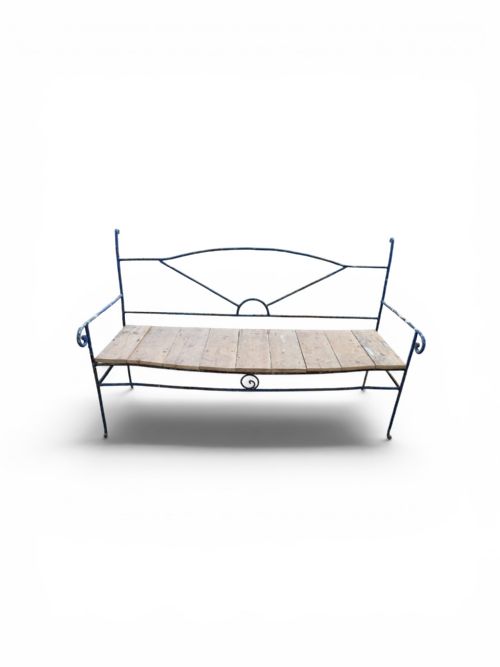
When you search for a metal garden bench seat, you encounter heavy outdoor seating fashioned from iron and steel across various historic periods. The pieces on this page span the Victorian era, the Regency period, and the early twentieth century.
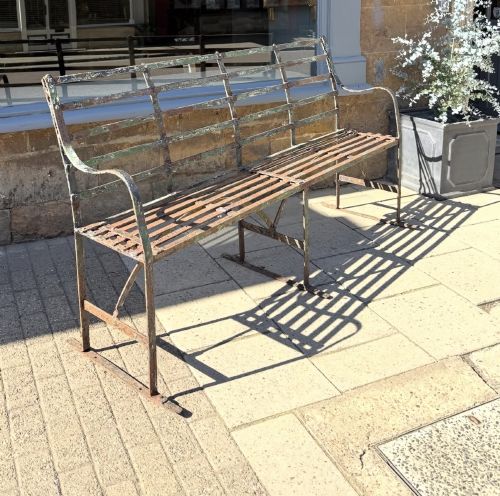
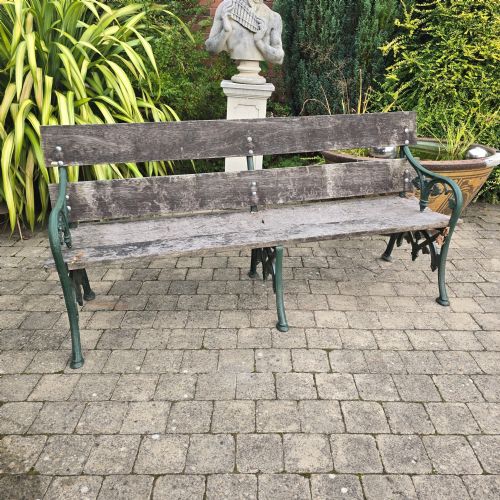
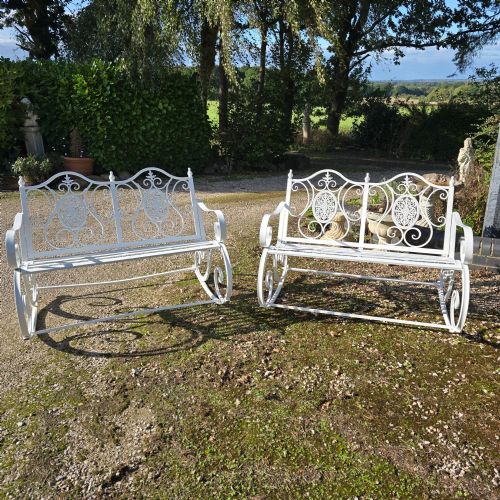
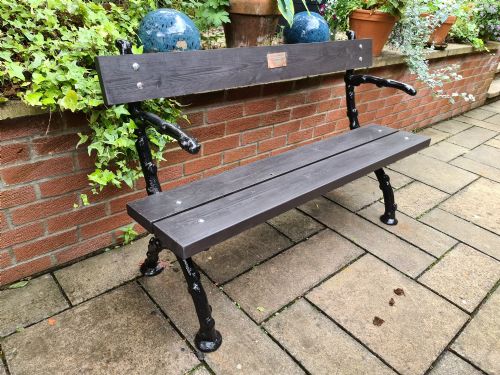
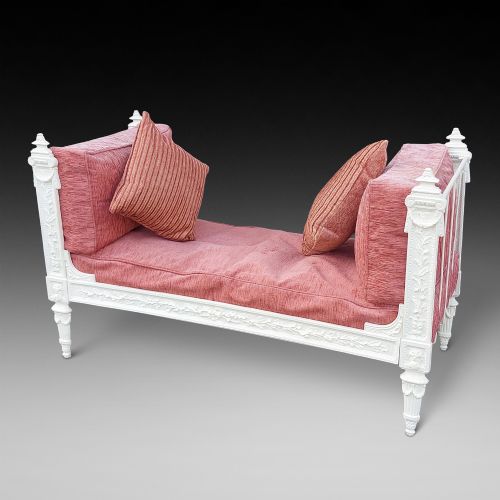
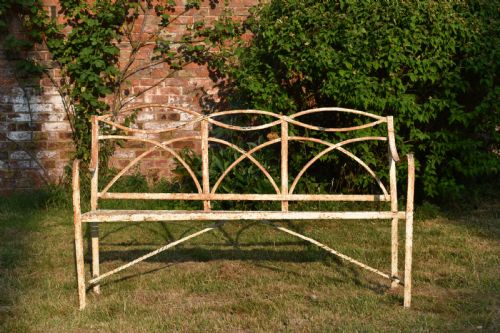
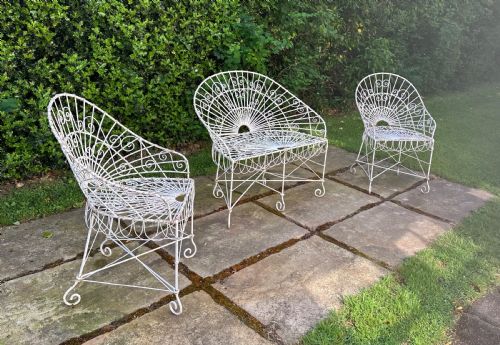
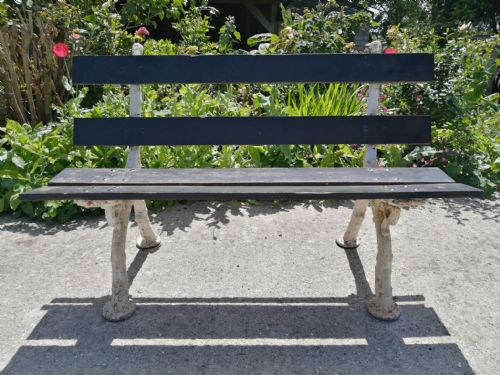
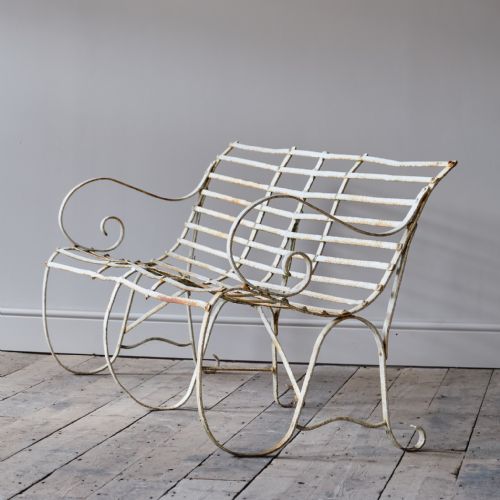
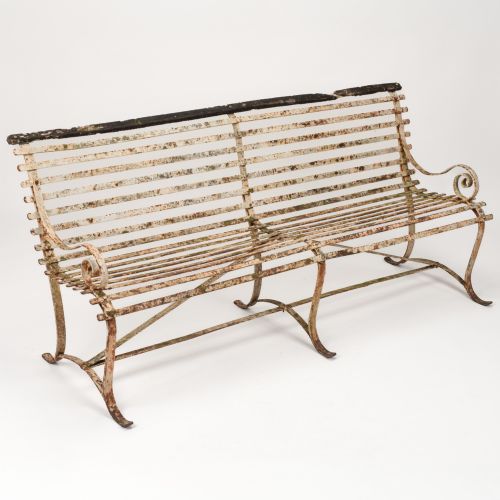
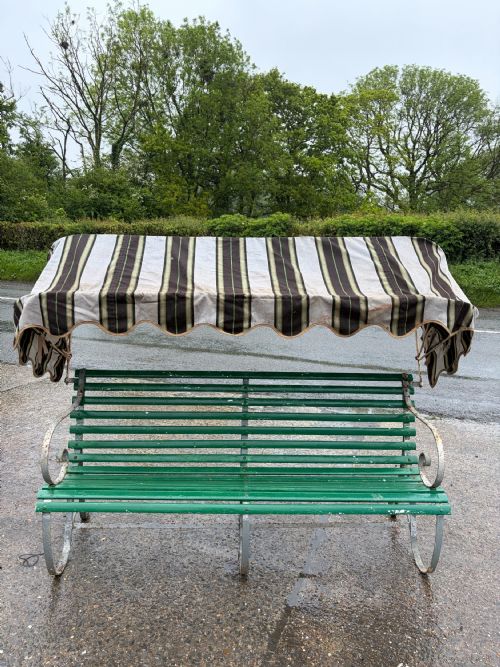
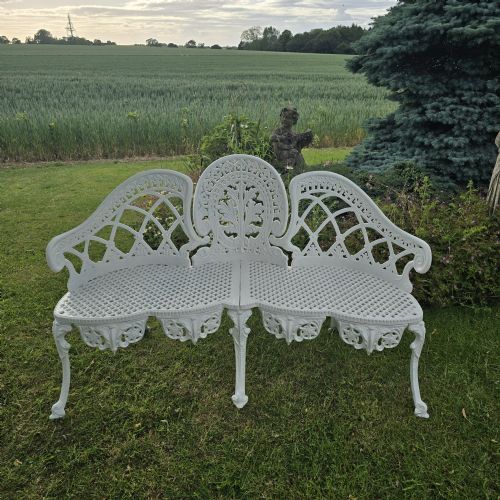
You find simple strapwork frames alongside ornate cast designs bearing foliage, faux bois branches, or lion masks. Forms range from straightforward two-seater park benches to daybeds, arbours, and garden settees.
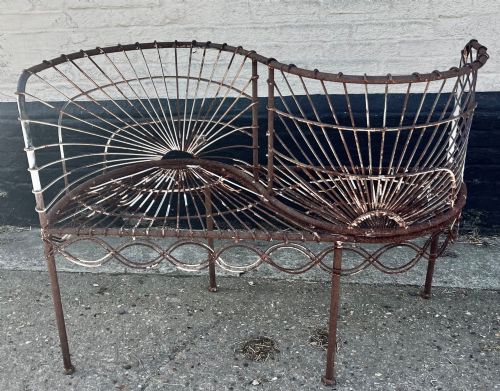
Victorian and nineteenth-century examples dominate the selection, often paired with timber slats or constructed entirely from metal scrollwork. French influences also appear through Arras and Gothic-influenced styles.
How they were made
Foundries and smiths utilised cast iron and wrought iron as the primary structural materials for these seats. Cast iron allowed for intricate mouldings like foliage and animal masks, while wrought iron provided flexible strength for strapwork and scroll designs.
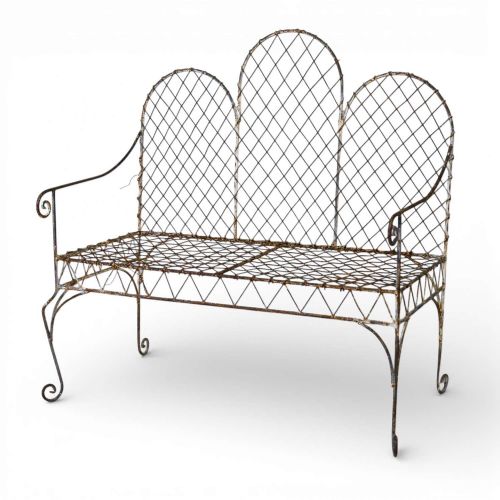
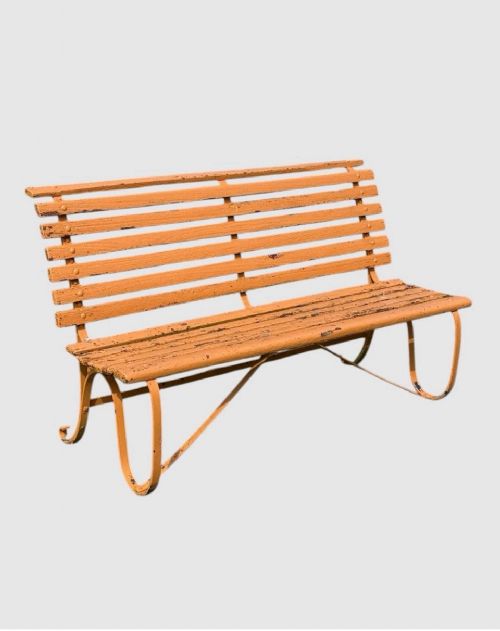
Many benches combine iron frames with wood slats or incorporate layers of original paint over metal surfaces. Makers also employed wirework for lighter arbour structures and integrated fabric or canopies on specific daybed variants.
Metal Garden Bench Seat Retail Price Guide 2026
Typical asking prices for metal garden bench seat among the pieces listed under this phrase on Sellingantiques today, from the lower quarter to the upper quarter. They describe what is for sale here now, not the wider market.
A cast iron lion keeps a silent watch from the armrest of a Victorian chair.
What varies in quality
Quality rests in the crispness of the casting and the complexity of the ironwork. Finer pieces display sharply defined ornamentation, such as detailed lion masks or naturalistic faux bois texturing, rather than soft or blurred edges.
The integrity of the construction and the preservation of original paint layers distinguish superior examples. Pieces retaining untouched layers of historical paint demonstrate careful preservation of the original surface.
Coalbrookdale
The Metal Garden Bench Seat Glossary
- Cast iron
- Molten iron poured into a mould to create decorative and structural garden furniture. This technique enabled the production of ornate Victorian bench ends with high relief patterns.
- Wrought iron
- Iron heated and hammered by hand into bars and scrolls. This material was favoured for Regency strapwork benches due to its tensile strength.
- Faux bois
- A decorative style mimicking the appearance of natural wood. Coalbrookdale and other makers applied this technique to cast iron bench frames to resemble rustic branches.
- Strapwork
- Flat bands of metal interwoven or arranged in geometric patterns. It defines many nineteenth-century and Regency garden seats.
- Arbour
- A shaded garden alcove or seat, often constructed from wirework or metal frames. These pieces supported climbing plants in historical gardens.
Metal Garden Bench Seat: Frequently Asked Questions
How do I identify a Victorian metal garden bench?
Victorian examples often feature heavy cast iron ends decorated with flora, fauna, or faux bois motifs. They frequently combine the metal structure with wooden slats or utilise intricate strapwork.
Looking closer at the weight and the depth of the casting helps distinguish these nineteenth-century pieces from later revival items.
Were these benches meant to stay outside?
These seats were designed specifically for outdoor use in parks, patios, and gardens. The durable nature of cast and wrought iron allowed them to withstand seasonal weather.
Over decades, this exposure created the weathered paint layers and patinas seen on surviving examples today.
What is the difference between cast iron and wrought iron benches?
Cast iron is poured into moulds, allowing for rich, sculptural decoration such as lion masks or elaborate scrollwork. Wrought iron is hammered into shape, resulting in lighter, linear strapwork patterns.
Many period benches combine both techniques to balance decorative weight with structural support.
How do I care for original paint on a metal bench?
Preserving original paint involves keeping the metal clean and dry without stripping the historical surface layers. Gentle brushing removes debris while maintaining the aged patina.
Avoiding harsh chemical treatments ensures the historic character of the iron remains intact.