





Metal Floral Vessel
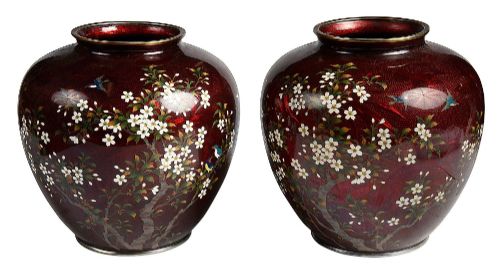
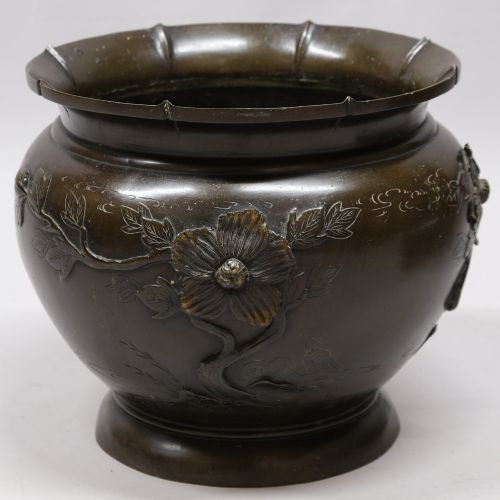
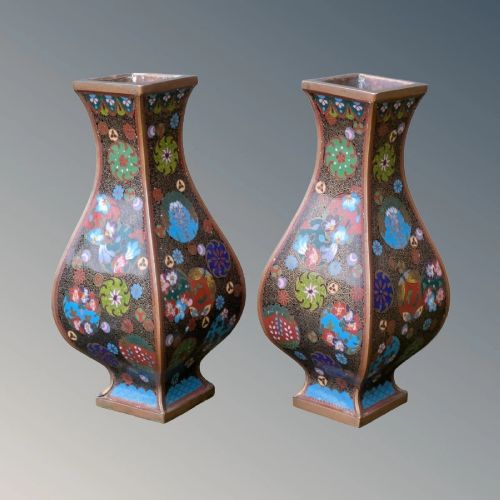
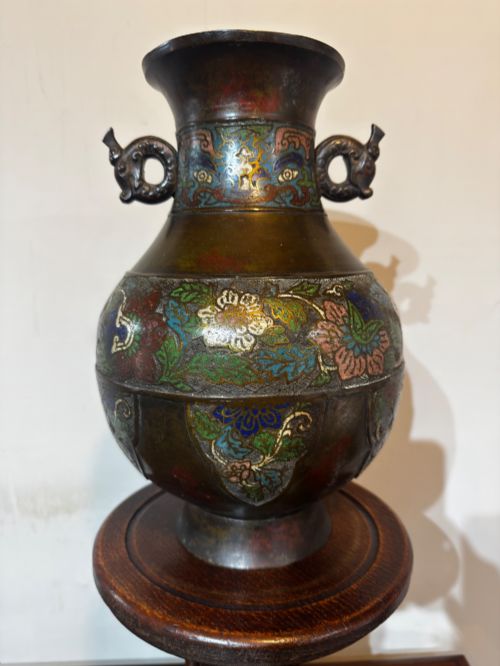
A metal floral vessel brings botanical ornament into domestic spaces through enduring materials like bronze, copper, and cloisonne enamel.
Metal Floral Vessel
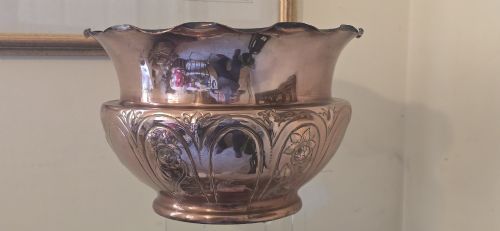
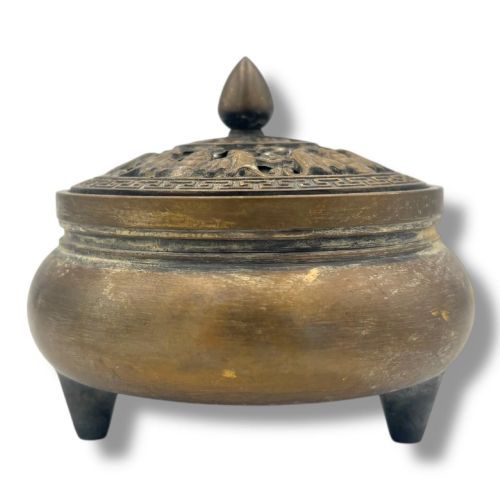
When you search for a metal floral vessel, you encounter a diverse range of objects intended for holding plants, flowers, or liquids, spanning centuries of global metalwork traditions. The selection predominantly includes vases, jardinieres, planters, lidded jars, and decorative bowls originating from European, Japanese, and Chinese workshops.
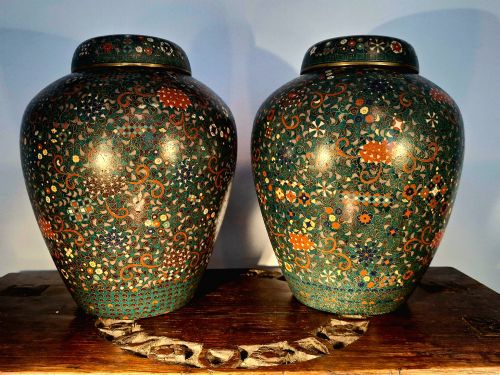
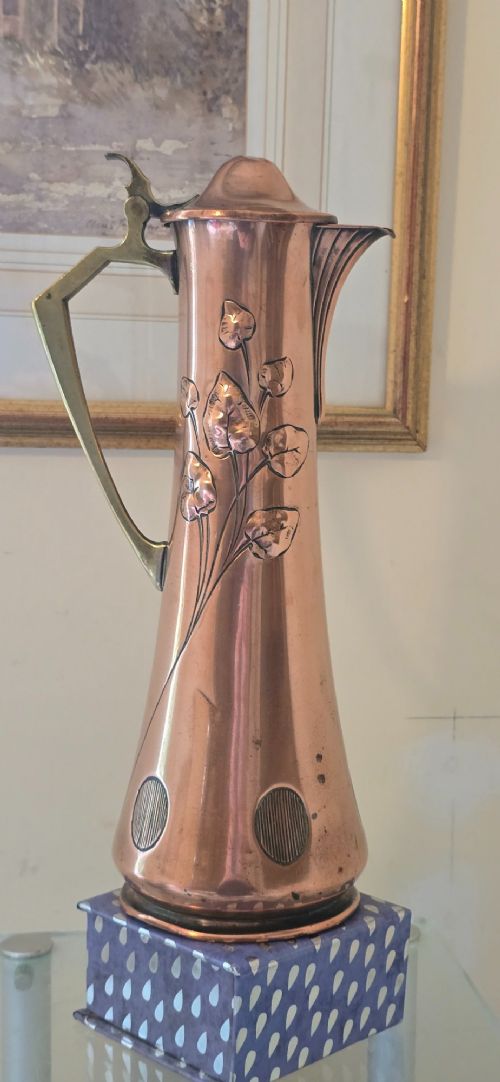
The pieces on this page draw heavily from the nineteenth century, the Meiji period, and the Art Nouveau era, reflecting both Eastern export traditions and Western decorative movements. Forms vary from monumental bronze jardinieres and handled ewers to intricate cloisonne bowls and copper jugs bearing embossed botanical reliefs.
Makers utilised various functional forms, including tea pots, sake kettles, and drinking cups, alongside dedicated display vessels. Each item integrates floral motifs either through surface enamel work, chased relief, or figural metal casting.
Materials and Construction
The construction of these pieces relies on base metals such as bronze, brass, copper, pewter, and white metal, frequently shaped through casting, hammering, or spinning. Artisans reinforced structures and added decorative contrast by combining mixed metals or applying silver and gilt overlays.
Surface ornamentation often involves cloisonne and champleve enamel techniques, where wire partitions hold vitreous pastes fired to create vivid floral patterns. Workshops also employed chasing, embossing, and dinanderie methods to render naturalistic plant and bird motifs directly into the metal body.
Metal Floral Vessel Retail Price Guide 2026
Typical asking prices for metal floral vessel among the pieces listed under this phrase on Sellingantiques today, from the lower quarter to the upper quarter. They describe what is for sale here now, not the wider market.
Several vessels double as drinking vessels or tea pots, proving that historic artisans believed a morning brew deserved botanical armour.
Assessing Craftsmanship and Detail
Quality in these vessels is determined by the precision of the metalwork and the complexity of the surface decoration. Finer examples display crisp relief casting, securely anchored enamel wires without pitting, and harmonious integration of mixed metals.
Weight, stability, and the crispness of chased botanical details distinguish standard production items from superior workshop pieces. The handling of interior finishes and the clarity of signature marks also indicate the standard of execution.
Joseph Sankey·Charles Korschann·Tamura Yukio·WMF
The Metal Floral Vessel Glossary
- Cloisonne
- A technique where flat metal wires are soldered to a metal base to form compartments filled with enamel paste and fired.
- Champleve
- An enamelling method where troughs or cells are hollowed out of the metal surface and filled with vitreous enamel before firing.
- Jardiniere
- A large ornamental pot or stand designed to hold live plants or floral arrangements.
- Dinanderie
- The medieval and later art of working in brass, copper, and bronze, encompassing hammered and embossed decorative vessels.
- Ewer
- A large jug with a wide spout, traditionally used for holding water or wine but frequently produced as a decorative vessel.
Metal Floral Vessel: Frequently Asked Questions
What is a metal floral vessel used for?
These items serve primarily as decorative containers for displaying cut flowers, potted plants, or greenery within domestic interiors. Many forms also function as standalone decorative objects, urns, or display pieces.
Historically, specific vessels held liquids for tea or wine ceremonies while displaying botanical surface ornamentation. Their sturdy metal construction allows them to bridge practical gardening utility and fine decorative arts.
How do I date a Japanese bronze vase?
Dating relies on stylistic markers associated with specific periods such as the late Edo period, the Meiji era, or the Showa period. Examining the casting quality, patina, and presence of signatures provides further chronological context.
Meiji period pieces often exhibit refined mixed metal applications and intricate detailing, whereas earlier Edo items may show different surface textures and casting methods.
What is the difference between cloisonne and champleve?
Cloisonne involves soldering thin flat wires onto the surface of a bronze or copper vessel to create raised cells for enamel paste. This method produces crisp, geometric outlines defining the floral motifs.
Champleve carves or digs the design directly into the thick metal body to form sunken troughs for the enamel. This technique yields softer edges and relies on the exposed metal walls to frame the design.
How do I clean antique copper and brass?
Maintenance typically requires minimal intervention to preserve the natural aged patina developed over decades or centuries. Gentle dusting with a soft cloth prevents dust accumulation without removing surface character.
Harsh chemical polishes should be avoided, as they strip away historical oxidation and finishes that collectors value.