






Metal Desk Clock
Metal desk clock designs span heavy Victorian brass and sleek Art Deco chrome, combining utilitarian timekeeping with decorative metalwork.
Metal Desk Clock
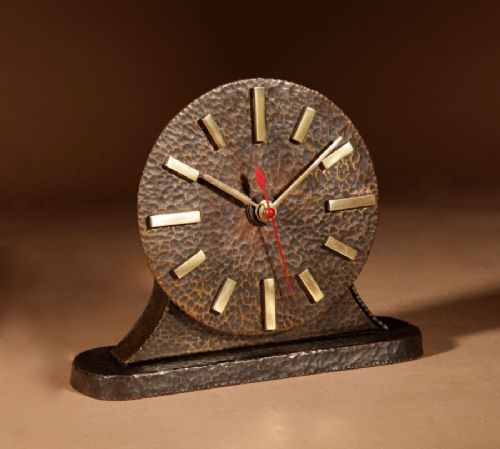
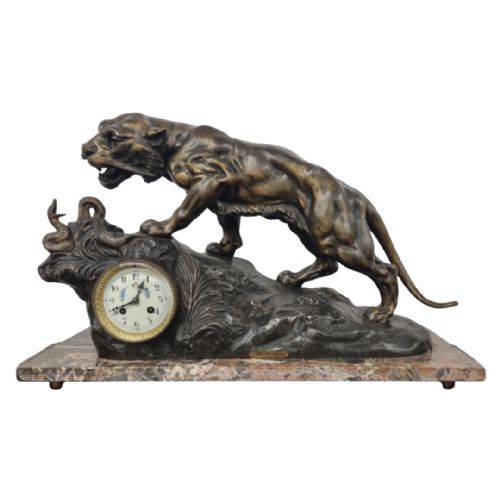
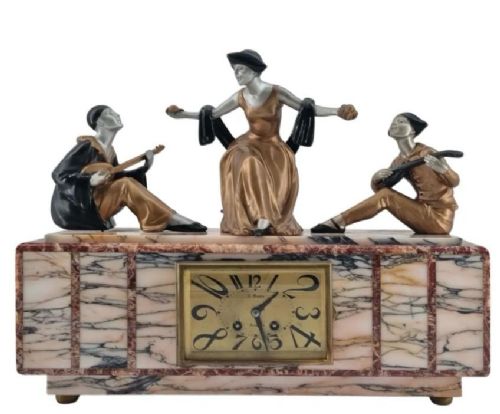
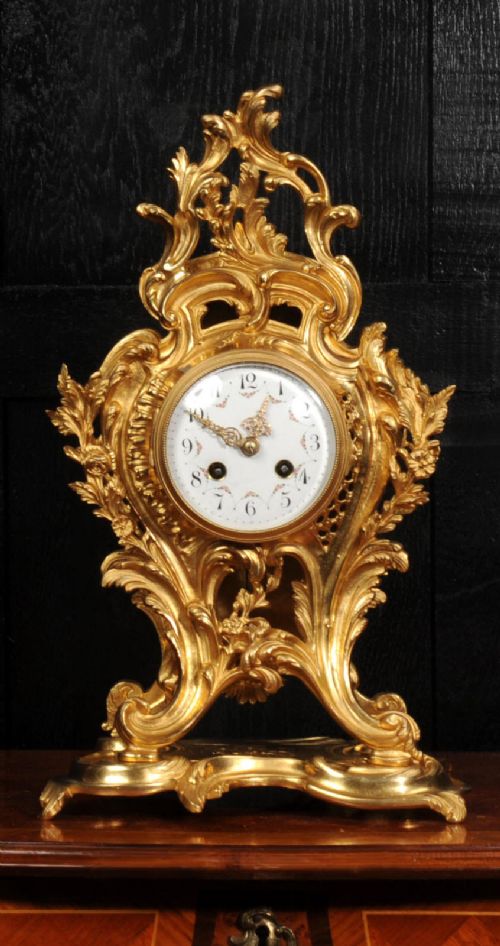
A metal desk clock serves as both a functional timepiece and an ornament, appearing in forms ranging from heavy nineteenth century gilt brass models to streamlined twentieth century chrome pieces. When searching for a metal desk clock, buyers encounter formats that include miniature carriage clocks, easel timepieces, and larger compendiums. The examples recorded here stretch from the Victorian era through the Art Deco period, demonstrating shifts in industrial design and domestic interior tastes.
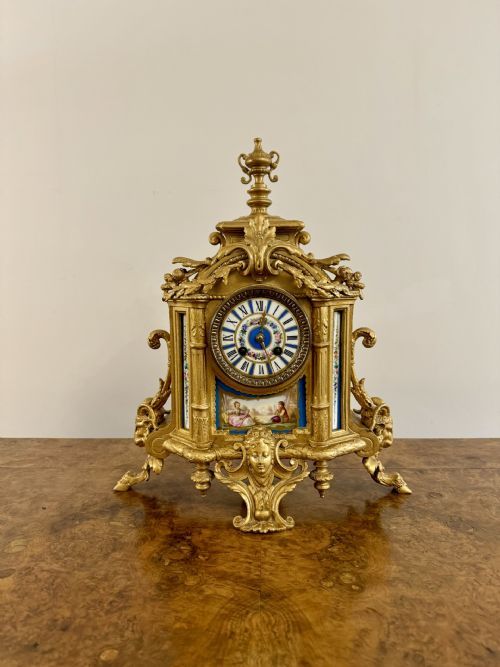
The most common versions on this page are French and English productions cast in gilt metal, brass, or bronze, often housing mechanical movements behind glass faces. Many incorporate decorative figures, putti, or architectural motifs drawn from Baroque, Rococo, and Gothic revivals. Later twentieth century items favour cleaner geometric lines, particularly within the Art Deco and mid-century selections.
Materials and construction
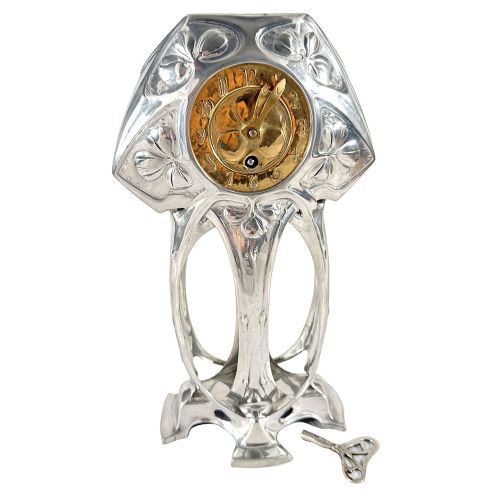
Cases rely heavily on cast metals such as brass, bronze, or ormolu, frequently treated with gilding, patination, or chrome plating. Manufacturers combined these metal housings with enamel dials, glass panels, and occasionally marble or porcelain inserts to create visual contrast. Hammered brass and pewter also appear in specific stylistic groups, notably in Arts and Crafts or secessionist pieces.
Movements inside these housings depend on traditional mechanical craftsmanship, including fusee mechanisms, eight day movements, and striking trains. Makers housed these intricate brass gear trains within sturdy metal frames, often integrating platforms for escapements and regulating components visible through glass panels.
Metal Desk Clock Retail Price Guide 2026
Typical asking prices for metal desk clock among the pieces listed under this phrase on Sellingantiques today, from the lower quarter to the upper quarter. They describe what is for sale here now, not the wider market.
Materials span heavy gilt bronze, brass, champleve enamel, and chrome, reflecting periods from the Victorian era to mid-century modernism.
Distinctions in craftsmanship
Quality separates objects by the crispness of the metal casting and the depth of the chasing or hand-finishing applied to the surface. Finer examples display sharply rendered figural details, well-fitted bezels, and robust movement plates bearing the marks of established clockmakers.
Materials also dictate tier, with heavy cast gilt bronze and champleve enamel sitting above standard plated white metal. The integration of complex complications, such as repeaters or alarm functions, further distinguishes standard production pieces from workshop highlights.
R Varnier·Friedrich Adler·Leon Message·Smiths Clockmakers·John Barwise·Andre Guilmet·Mathias Bauerle·A.L Davenport·Jaeger LeCoultre·Bayard
The Metal Desk Clock Glossary
- Ormolu
- A method of applying finely ground high-carat gold to an object of bronze through a mercury amalgamation process. This technique gives the metal a deep, warm yellow lustre that resists tarnishing over decades.
- Fusee
- A conical pulley used in mechanical clocks to maintain an even pull on the gear train as the mainspring unwinds. It ensures consistent timekeeping accuracy throughout the power reserve.
- Champleve
- An enamelling technique where troughs or cells are hollowed out of a metal surface and filled with vitreous enamel paste before firing. The resulting design sits flush with the surrounding metal partitions.
- Carriage clock
- A portable spring-driven timepiece designed for travel, traditionally featuring a rectangular brass case with glass panels and a folding handle on top.
- Escapement
- The mechanism in a clock that converts rotational energy into impulsive motion, controlling the release of the gear train at regular intervals to drive the hands.
Metal Desk Clock: Frequently Asked Questions
How do I wind a mechanical metal desk clock?
Most mechanical models use a dedicated key inserted into winding squares on the dial or back plate to tension the mainspring.
Care should be taken not to overwind the mechanism, stopping as soon as resistance increases.
Were these clocks meant for travel or stationary use?
While carriage clocks and miniature easel designs were built for portability, most heavy mantel and desk clocks remained fixed in one room.
Larger compendiums and architectural pieces served as permanent desk accessories rather than portable timekeepers.
How do I identify an Art Deco metal clock?
Art Deco pieces typically feature geometric chrome cases, stylised numerals, and symmetrical stepped outlines characteristic of the 1920s and 1930s.
They replace the ornate floral casting of earlier Victorian or Rococo revivals with clean industrial lines.
What is a fusee movement in a desk clock?
A fusee movement incorporates a conical drum and a cord or chain to regulate the power delivered from the mainspring.
This sophisticated system ensures the clock maintains steady timekeeping as the spring loses tension.