






Metal Coat Stand
These metal coat stands combine heavy cast iron frames with practical hooks and trays to organise busy hallways.
Metal Coat Stand
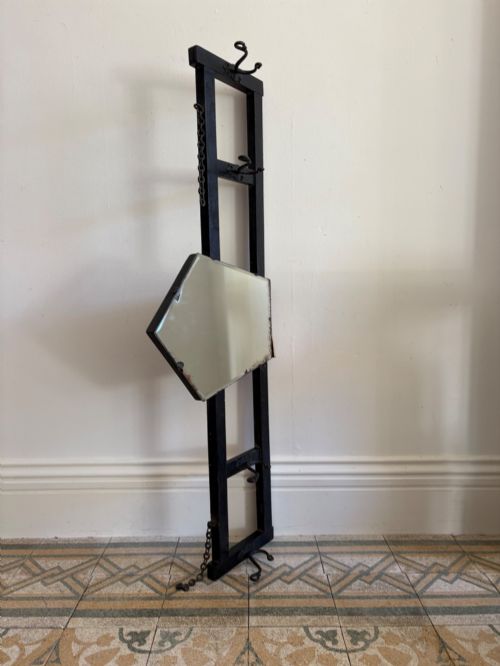
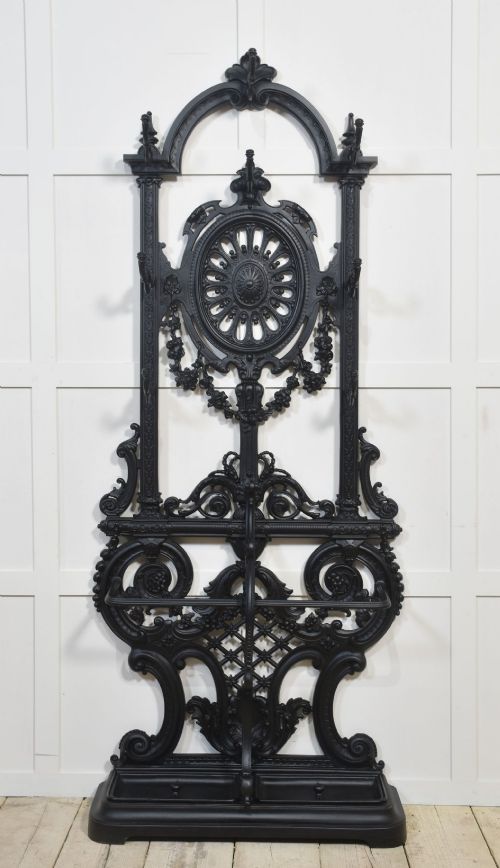
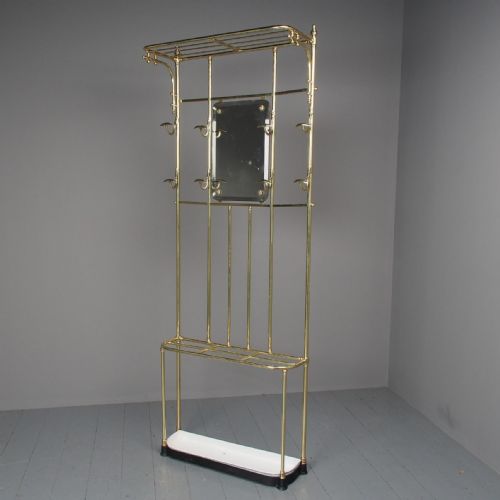
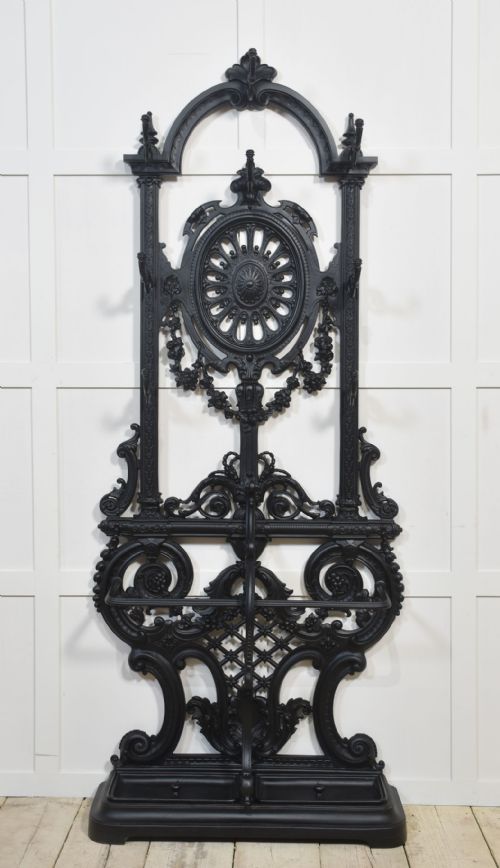
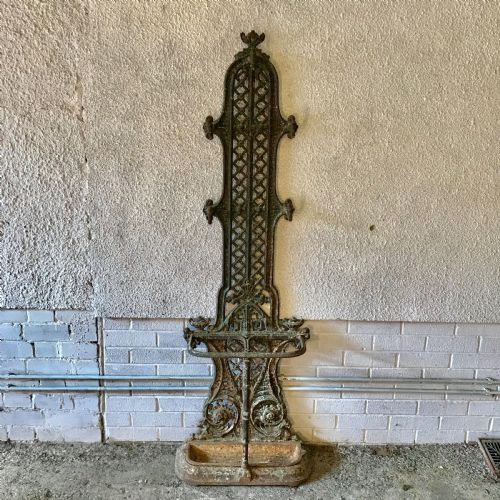
When you search for a metal coat stand, you encounter pieces designed to hold outerwear, hats and umbrellas in domestic entryways. The selection ranges from robust Victorian cast iron hall stands to streamlined Art Deco wall-mounted racks from France.
You are most likely to meet heavy freestanding hall stands featuring umbrella rings and drip trays, alongside wall-mounted racks incorporating mirrors. These items span the nineteenth century, the Edwardian era, and the nineteen-twenties.
The forms extend from simple utilitarian hooks to elaborate hall furniture with integrated seating and panels. Styles stretch from Victorian Gothic Revival to industrial Art Deco and mid-century modern interpretations.
Construction and materials
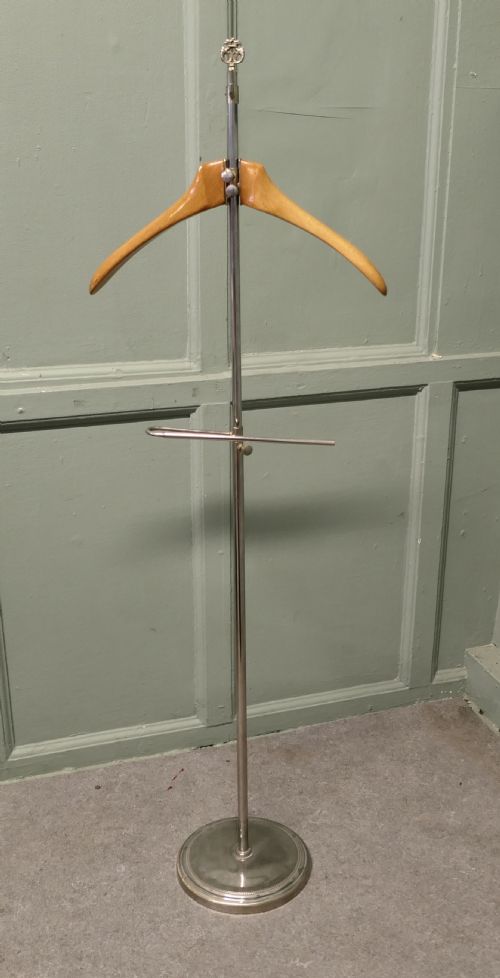
Foundries shaped the heavy structural elements from cast iron and wrought iron, utilising sand moulds to create intricate pierced scrollwork and decorative panels. Brass and chrome appeared on later hooks, rails, and valet fittings, providing polished contrast against the darker iron frameworks.
Makers incorporated beech wood and mirrored glass into wall-mounted and freestanding units to add utility and reflection in narrow hallways. Painted surfaces protected the underlying metal while offering decorative colour to suit domestic interiors.
Metal Coat Stand Retail Price Guide 2026
Typical asking prices for metal coat stand among the pieces listed under this phrase on Sellingantiques today, from the lower quarter to the upper quarter. They describe what is for sale here now, not the wider market.
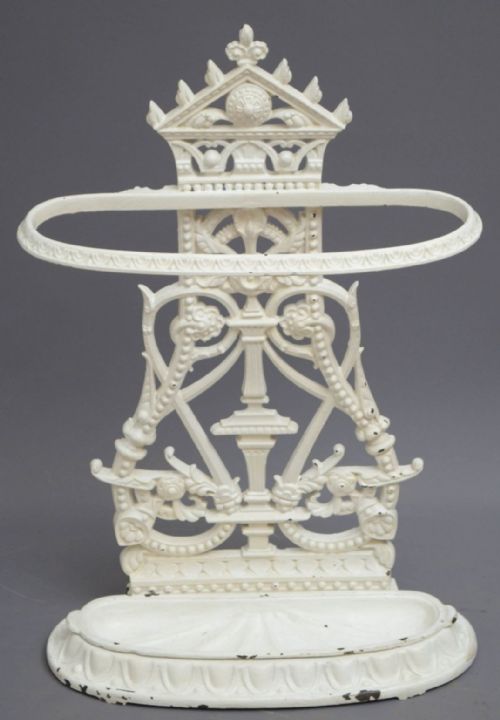
Umbrella stands often feature built-in iron wells that sound a satisfying deep clunk whenever a heavy walking stick drops inside.
Assessing the pieces
Quality rests in the crispness of the casting detail and the integrity of the structural joints. Finer nineteenth-century examples display deeply defined relief work on their iron frames rather than soft, blurred edges.
The degree of original hardware preservation distinguishes superior items. Retaining matching hooks, intact drip trays, and original glass mirrors elevates a piece above those altered or stripped of their functional accessories.
Coalbrookdale·Falkirk Foundry
The Metal Coat Stand Glossary
- Hall stand
- A multi-functional item of furniture combining coat hooks, a mirror, umbrella stands, and sometimes a glove box or seat. These pieces anchored the entrance halls of larger nineteenth-century homes.
- Valet stand
- A freestanding piece designed to hold a suit, tie, and accessories overnight. They often combine chrome framework with shaped beech wood hangers.
- Drip pan
- A shallow metal tray positioned at the base of a stand to catch rainwater from wet umbrellas and walking sticks. These removable trays protected hallway floors from moisture.
- Wrought iron
- Iron beaten into shape by hand rather than poured into a mould. This material yielded strong, slender scrolls for lighter coat racks and brackets.
Metal Coat Stand: Frequently Asked Questions
How do I secure a wall-mounted rack safely?
Wall-mounted racks require firm fixing into masonry or timber studs to bear the substantial weight of wet coats and heavy iron frames.
Utilising appropriate screws and wall plugs ensures the bracket holds securely without pulling away from the plaster.
Were these stands meant for small hallways?
Many Victorian hall stands were built with substantial footprints incorporating benches and large mirror backs, suiting spacious entrance rooms.
Wall-mounted versions and slimmer umbrella stands served tighter urban corridors where floor space remained restricted.
How do I clean cast iron stands?
Dust accumulates within the intricate scrollwork and relief patterns of iron frames over decades of domestic use.
Gentle brushing with a soft bristle tool removes debris without disturbing painted or patinated surfaces.
Can I date a stand by its metal type?
Cast iron and heavy wrought elements typically indicate nineteenth-century production and Victorian Gothic tastes.
The appearance of chrome and streamlined geometric forms points towards nineteen-twenties Art Deco manufacturing.