





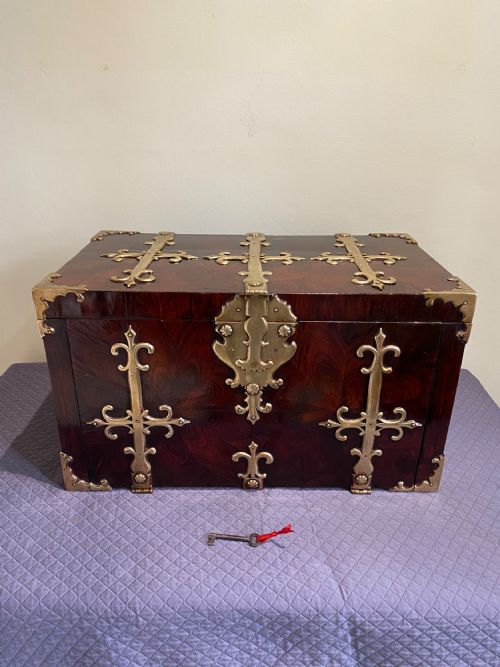


Metal and Wood Table
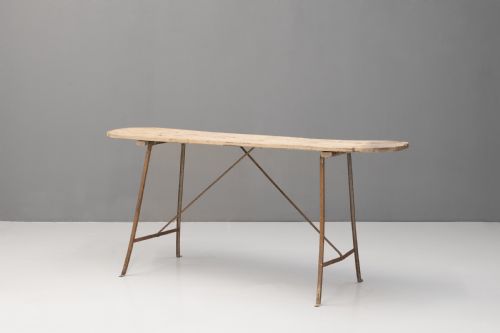
A metal and wood table brings together sturdy iron or brass frames and rich timber surfaces for enduring utility.
Metal and Wood Table
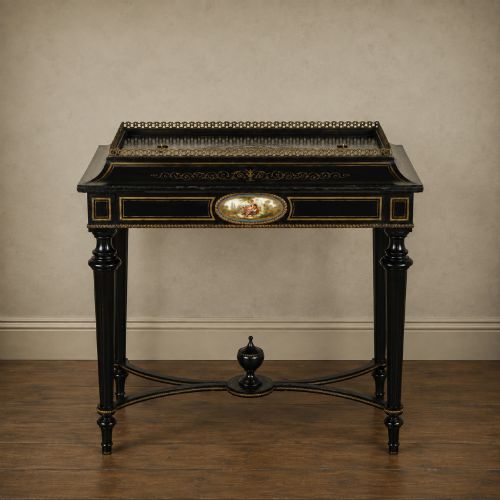
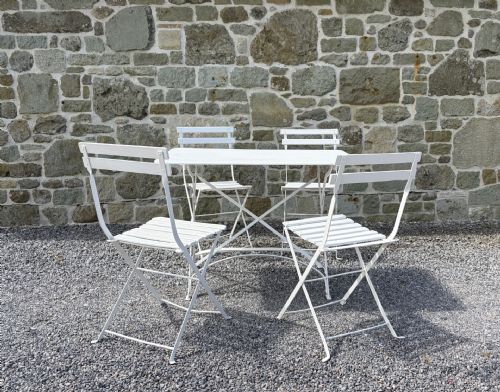
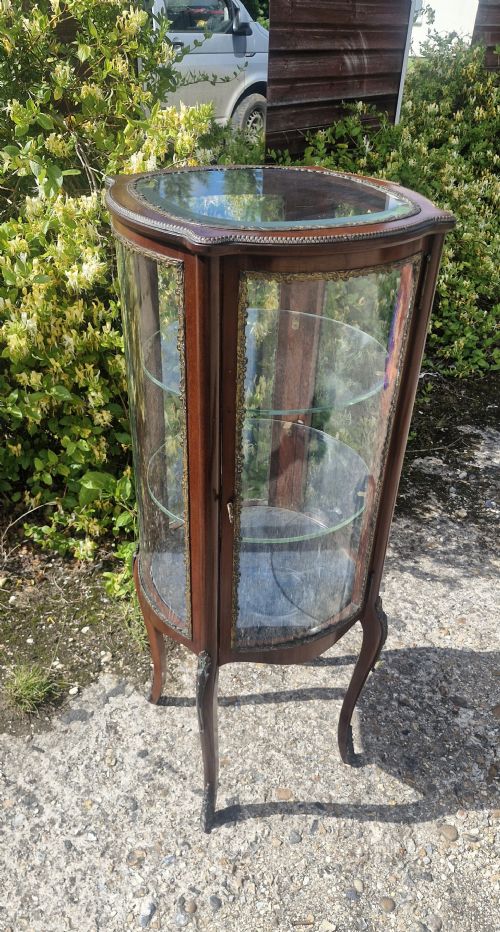
A metal and wood table combines industrial durability with organic warmth, drawing from diverse periods including the Victorian era, the Edwardian period, and the early twentieth century. Buyers seeking this category encounter varied forms ranging from occasional tables and console tables to rustic farmhouse dining tables and country house pastry tables.
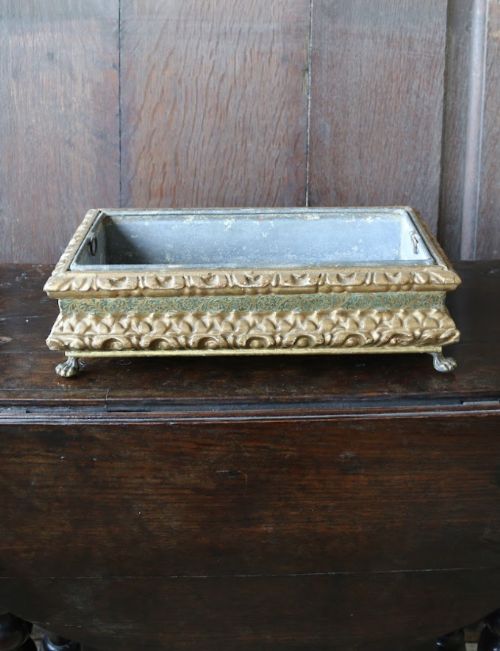
The selection reflects both utilitarian workshop pieces and decorative domestic furnishings. Pieces frequently incorporate iron, brass, or gilt metal alongside mahogany, oak, satinwood, and kingwood to create functional surfaces for daily use.
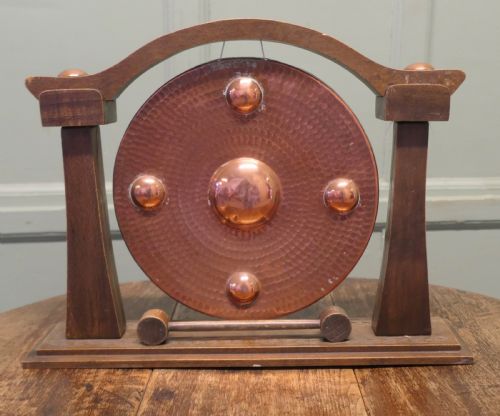
Origins span British, French, and wider continental traditions, encompassing rustic farmhouse styles, Arts and Crafts objects, and French country designs. Each piece demonstrates how makers balanced heavy metal structural elements with timber tops.
Materials and construction methods
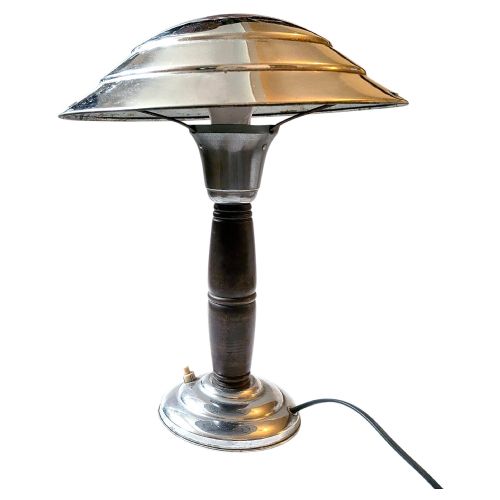
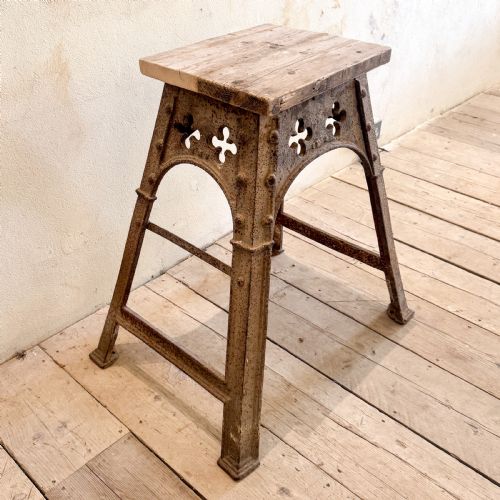
Construction relies on the pairing of robust metal frameworks with substantial wooden tops, utilising cast iron, brass, and chrome alongside oak, mahogany, and walnut. Metal elements provide structural rigidity through forged or cast supports, while timber surfaces offer smooth or carved functional areas.
Joinery techniques on the wooden components include traditional mortise and tenon joints found in refectory and farmhouse tables. Metal components are secured via rivets, screws, or welds, depending on whether the piece originates from a domestic cabinetmaker or an industrial workshop.
Metal and Wood Table Retail Price Guide 2026
Typical asking prices for metal and wood table among the pieces listed under this phrase on Sellingantiques today, from the lower quarter to the upper quarter. They describe what is for sale here now, not the wider market.
Listings feature periods spanning from the seventeenth century through the Victorian era to the 1930s, utilising oak, mahogany, brass, and cast iron.
Quality and craftsmanship factors
Quality reveals itself in the integration between the metal frame and the wooden top, where precise fitting and secure fastenings ensure long-term stability. Superior examples display careful hand-finishing on both the cast or forged metal and the polished timber grain.
The choice of secondary woods and the weight of the metal components also distinguish finer pieces from standard utilitarian items. Details such as cast iron scrollwork or well-preserved brass mounts indicate higher workshop standards.
The Metal and Wood Table Glossary
- Occasional table
- A small, movable table designed for specific, intermittent use rather than central placement in a room. These versatile items often feature mixed metal and timber construction.
- Refectory table
- A long dining table traditionally used in communal dining halls, characterised by sturdy wooden legs connected by a central stretcher. Many examples utilise robust timber planks atop heavy frames.
- Cast iron
- An iron-carbon alloy poured into a mould to create complex shapes such as decorative scrollwork or sturdy industrial bases. It provides significant weight and rigidity to furniture.
- Marquetry
- The art of applying decorative pieces of veneer to a structure to form intricate designs. This technique appears on fine cabinet furniture paired with metal mounts.
- Ebonised
- Wood finished to resemble ebony through a dark staining or painting process. This treatment creates a formal appearance popular in nineteenth-century furnishings.
Metal and Wood Table: Frequently Asked Questions
How do I clean a metal and wood table?
Dust timber surfaces regularly with a dry cloth and nourish the wood periodically with appropriate wax. Wipe metal components gently with a soft cloth to avoid damaging patinated iron or brass.
Keep these tables away from direct heat sources and excessive moisture to protect both the timber grain and the metal framing from warping or corrosion.
Are these tables suitable for daily dining?
Many sturdy forms, including farmhouse and refectory designs, are built precisely for everyday dining and heavy domestic use. Their robust construction handles regular gatherings with ease.
Lighter occasional or display tables serve better for decorative placement rather than heavy family meals.
How can I date my table?
Examine the construction methods, tool marks, and fixings used to secure the metal to the wood. Hand-forged ironwork and traditional timber joinery typically point to earlier nineteenth-century or Victorian origins, while chrome and machine-formed elements suggest twentieth-century manufacture.
Stylistic cues such as Arts and Crafts motifs or Edwardian mounts also help narrow down the period of production.
Will a metal and wood table suit modern interiors?
The inherent contrast between industrial metal and warm wood makes these pieces adaptable to contemporary living spaces. They blend easily with minimalist, rustic, and traditional interior schemes alike.
Their functional utility ensures they serve as practical focal points in kitchens, living rooms, and studies.