





Merchant Shop Counter
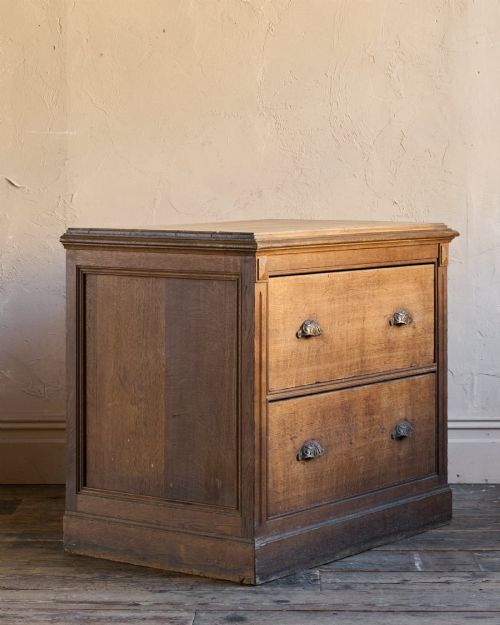
These merchant shop counter examples are robust commercial timbers and multi-drawer banks built for trade, offering characterful storage and genuine period presence.
Merchant Shop Counter
A merchant shop counter is a heavy-duty commercial fixture designed for retail service and storage, commonly originating from the Victorian, Edwardian, and early twentieth-century periods. When searching for a merchant shop counter, buyers encounter substantial timber constructions intended to anchor a shop interior and serve customers.
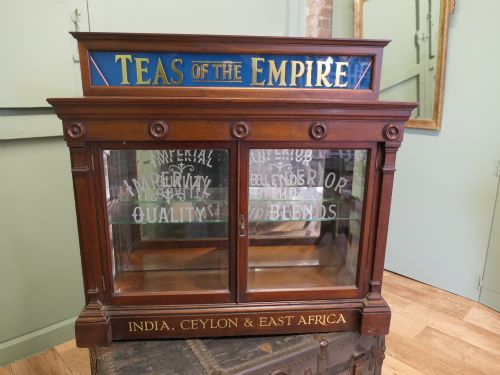
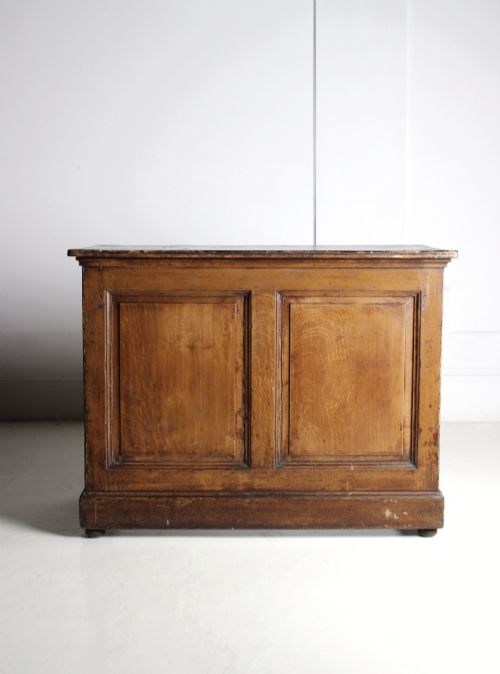
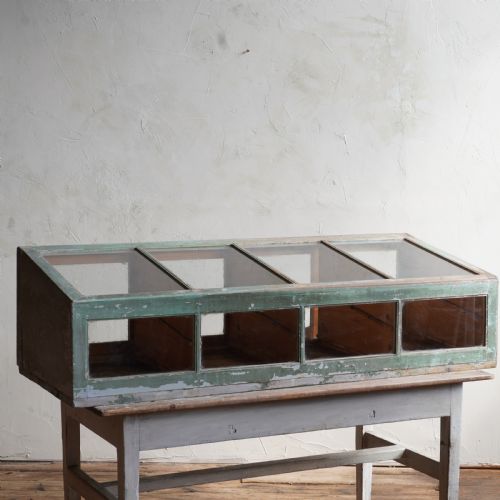
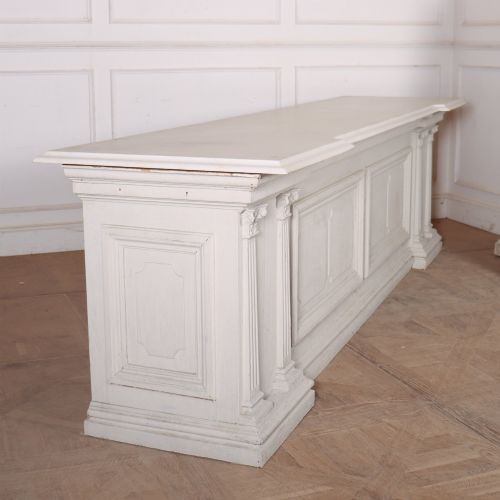
The pieces appearing on this page span several functional forms, including large multi-drawer banks, glazed display cabinets, and panelled timber counters. Many of these examples hail from domestic and continental workshops, reflecting regional trade requirements across Britain, France, Italy, and Hungary.
Buyers frequently find large haberdashery units and drapers chests alongside traditional shop counters and countertop display cases. These diverse forms share a utilitarian heritage, prioritising durable storage and functional display over delicate decorative arts.
How they were made
Makers built these commercial fixtures primarily using sturdy pine, mahogany, and oak timbers, selected for their ability to withstand heavy daily use. Construction methods relied on solid joinery, sturdy framing, and functional hardware such as brass pulls and iron fittings.
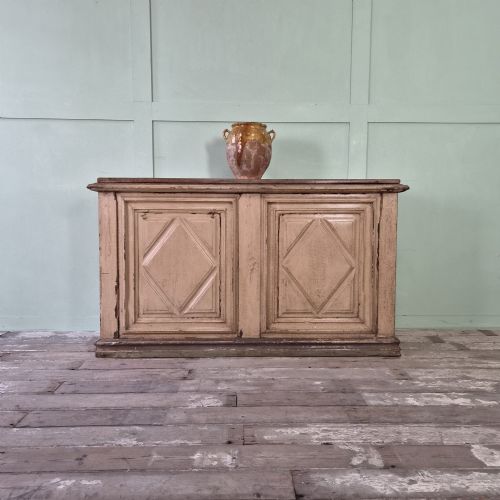
Many surfaces feature original paint finishes, faux wood graining, or distressed patinas that developed naturally through decades of active retail service. Details like adjustable feet, panelled sides, and galleried tops demonstrate the practical engineering applied to commercial furniture of the nineteenth and early twentieth centuries.
Merchant Shop Counter Retail Price Guide 2026
Typical asking prices for merchant shop counter among the pieces listed under this phrase on Sellingantiques today, from the lower quarter to the upper quarter. They describe what is for sale here now, not the wider market.
The inventory includes continental pieces from France, Italy, and Hungary alongside British commercial fixtures.
What varies in quality
Quality in these commercial fixtures lies in the integrity of the timber, the complexity of the drawer configuration, and the preservation of original finishes. Units featuring numerous matching drawers or substantial proportions demonstrate higher ambition in commercial joinery.
The survival of original painted surfaces, authentic hardware, and structural soundness distinguishes superior examples from heavily altered pieces. Balance scales and smaller countertop cabinets vary according to the precision of their metal components and the clarity of their original glass panes.
The Merchant Shop Counter Glossary
- Haberdashery drawers
- Multi-drawer storage units originally utilised for storing ribbons, threads, and small drapery goods. These banks typically feature numerous shallow compartments.
- Drapers counter
- A long timber counter designed for measuring and cutting cloth in nineteenth-century fabric shops. They often incorporate banks of drawers on the attendant side.
- Countertop display cabinet
- A glazed enclosure placed upon a shop counter to showcase small wares to customers while protecting them from handling. They often feature hinged rear doors.
- Toleware
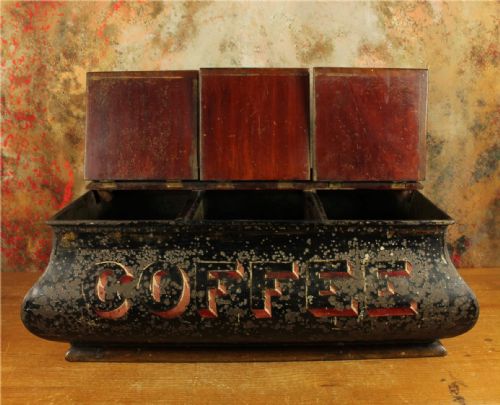
- Painted or enamelled metalware used for storage boxes and domestic containers in the nineteenth century. These items frequently display decorative surface finishes.
- Galleried top
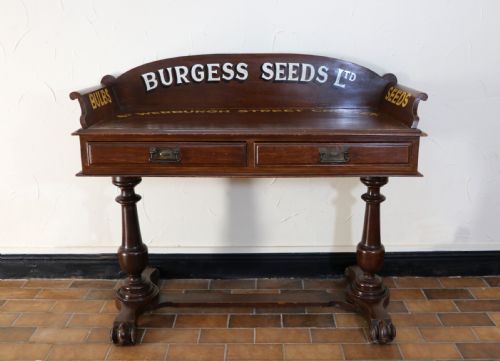
- A raised decorative or retaining edge running along the upper perimeter of a table or counter. This feature prevents items from sliding off the surface.
Merchant Shop Counter: Frequently Asked Questions
What are merchant shop counters used for now?
Today these large timber fixtures serve as kitchen islands, sideboards, or statement storage units in domestic and commercial interiors. Their numerous drawers and generous surfaces provide practical organisation for modern living spaces.
They bring genuine historical character and robust utility to contemporary homes, functioning well in large kitchens, hallways, or retail settings where sturdy storage is required.
How do I identify a Victorian shop counter?
Victorian shop counters typically display dense timbers like mahogany or pine, traditional joinery methods, and heavy commercial proportions. They often include functional additions such as adjustable feet or panelled construction.
Examining the wear patterns, hardware, and interior drawer construction helps confirm the nineteenth-century origins of these practical trade fixtures.
Are painted finishes on shop counters original?
Many merchant shop counters retain layers of historic paint, faux wood graining, or distressed surface treatments applied during their working life. Original finishes often show genuine wear, craquelure, and subtle colour variations accrued through decades of retail use.
Inspect the edges and recesses of the timber to observe how paint layers accumulate beneath modern touch-ups or subsequent decorating.
How do I care for antique pine shop furniture?
Maintain antique pine and painted commercial furniture by keeping them away from direct heat sources and sudden humidity changes. Regular dusting with a soft, dry cloth preserves the fragile historic surfaces and patinas.
Avoid harsh chemical cleaners, particularly on pieces with original paintwork or faux finishes, to protect the authentic character of the timber.