





Meiji Art Pottery
Meiji art pottery brings together intricate earthenware, porcelain and stoneware shaped during the late nineteenth and early twentieth centuries.
Meiji Art Pottery
Meiji art pottery encompasses decorative vessels and figures produced during the Meiji period and the transition into the Taisho era. Collectors encounter various forms, most commonly vases, decorative bowls, okimono figurines and jardinieres.
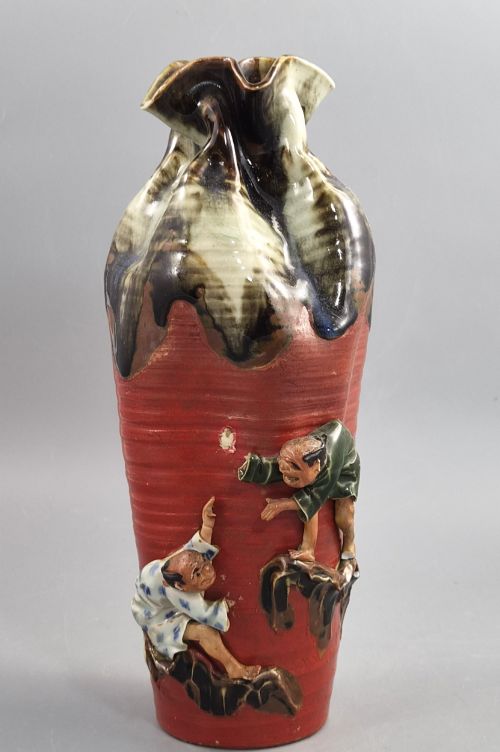
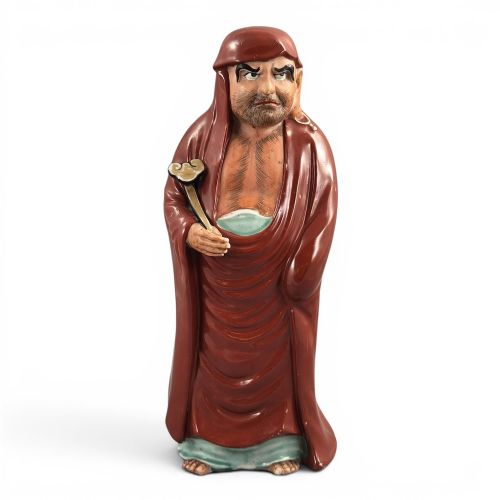
Vessels range from small cabinet bowls to tall sculptural vases adorned with figures like sages and arhats. Stoneware and earthenware dominate the forms, often carrying heavy glazes or fine painted detail.
Materials and construction
Potters utilised earthenware, porcelain, stoneware and terracotta as bodies for these works. Artisans shaped these materials by hand or on the wheel before applying detailed surface decoration.
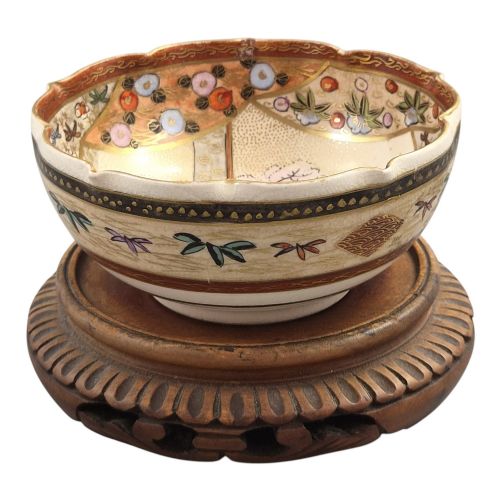
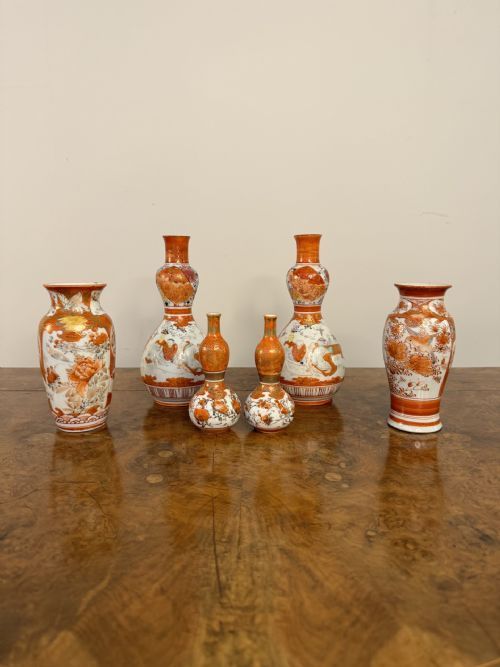
Glazes play a central role, with flambe, cobalt blue and gold leaf appearing across multiple pieces. Enamel painting and intricate gilt work provide the characteristic visual depth seen on Satsuma and Kutani surfaces.
Meiji Art Pottery Retail Price Guide 2026
Typical asking prices for meiji art pottery among the pieces listed under this phrase on Sellingantiques today, from the lower quarter to the upper quarter. They describe what is for sale here now, not the wider market.
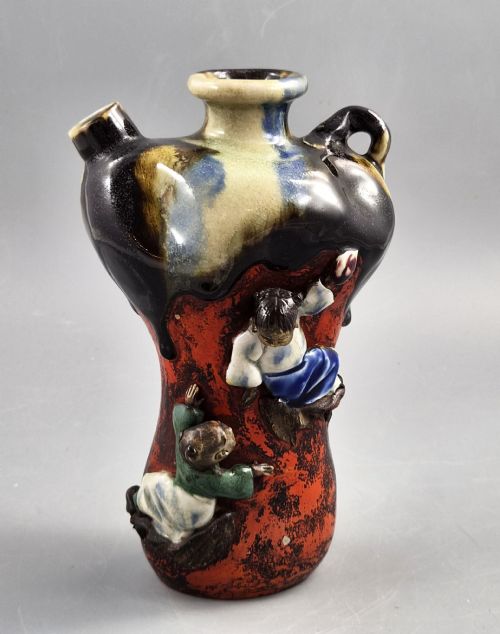
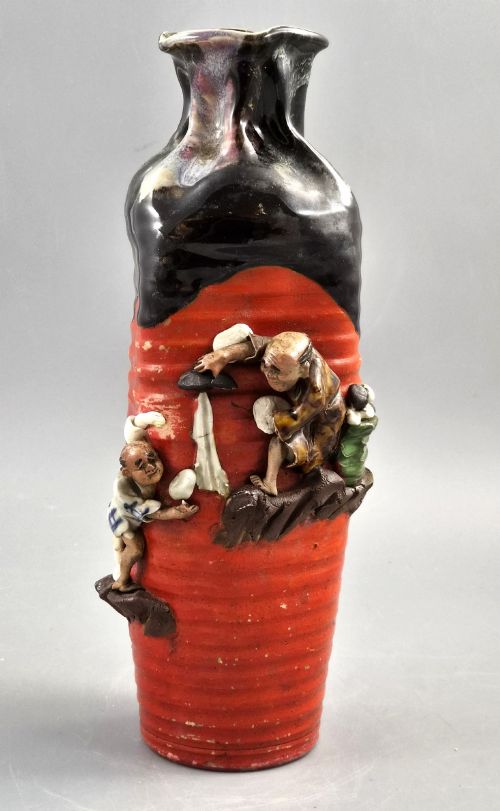
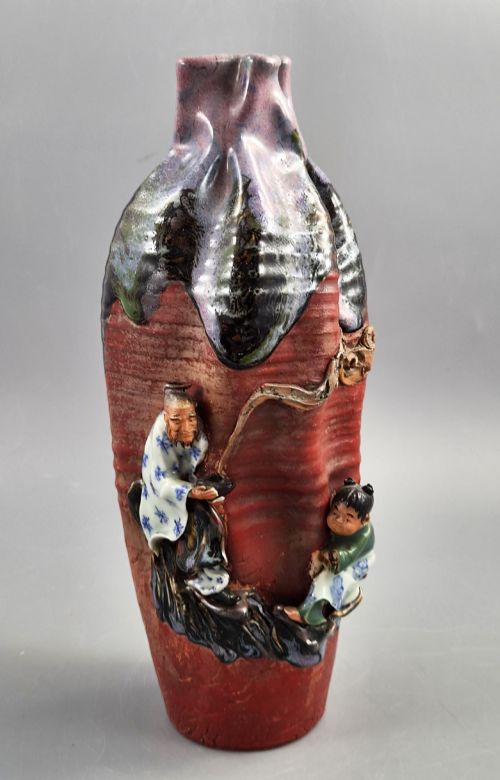
Several vases feature tiny, determined figures caught mid-climb, refusing to let a slippery flambe glaze stop their journey.
The spectrum of quality
Quality rests upon the precision of the hand-painted decoration and the depth of the glaze. Master studios achieved remarkable control over flambe effects and delicate pictorial scenes.
The distinction between standard commercial output and exceptional studio pieces involves the crispness of modelling on figures like okimono and the clarity of signatures from known makers.
Inoue Ryosai·Ban-ni·Hotoda·Makuzu Kozan·Makuzu Kozan II·Kinkozan·Hododa
The Meiji Art Pottery Glossary
- Okimono
- A Japanese freestanding decorative figurine or sculpture designed for display. These figures often depict deities, sages or animals.
- Satsuma
- A type of Japanese earthenware with a pale, ivory-coloured crackle glaze, typically decorated with polychrome enamels and gilding. Kyoto and Yokohama were notable production centres.
- Sumida Gawa
- A distinct style of Japanese pottery featuring heavily modelled figures climbing across a thick, dripping flambe glaze. Pieces often originate from Tokyo kilns.
- Kutani
- Japanese porcelain or earthenware distinguished by bold polychrome enamel designs. These wares frequently incorporate dense pictorial narratives.
- Suiban
- A shallow decorative basin or bowl used for holding water and plants. They often function as brush washers or display trays.
Meiji Art Pottery: Frequently Asked Questions
What is Meiji art pottery?
Meiji art pottery refers to ceramic works created during the Meiji period in Japan, spanning the late nineteenth and early twentieth centuries. The category includes diverse forms such as vases, okimono figures, and decorated bowls.
These pieces demonstrate a shift towards intricate artistic production, combining traditional Japanese motifs with techniques that gained international attention during this era.
How do I identify Satsuma ware?
Satsuma ware is characterised by its distinctive ivory-coloured earthenware body covered in a fine network of crackle glaze. Artisans decorated these surfaces using rich enamel colours and gold leaf.
Many examples originate from Kyoto or Yokohama workshops and frequently feature elaborate figural scenes depicting arhats, sages, or deities.
What is Sumida Gawa pottery?
Sumida Gawa pottery stands out due to its heavy, dripping flambe glazes and applied sculptural figures. Artisans built these pieces with thick, tactile surfaces where figures appear to climb up the sides of vases or brush washers.
This style emerged from kilns near the Sumida River in Tokyo around the turn of the twentieth century.
How should I display these ceramics?
Display these ceramics in stable environments away from direct sunlight to preserve delicate enamel painting and gold leaf details. Vases, bowls, and jardinieres suit shelves or cabinets where their three-dimensional forms remain visible.
Okimono figures work well as focal points on tabletops or within dedicated display spaces that allow close inspection of their craftsmanship.