



Mechanical Grandfather Clock
These mechanical grandfather clock examples bring movement, history and stately chime to a room.
Mechanical Grandfather Clock
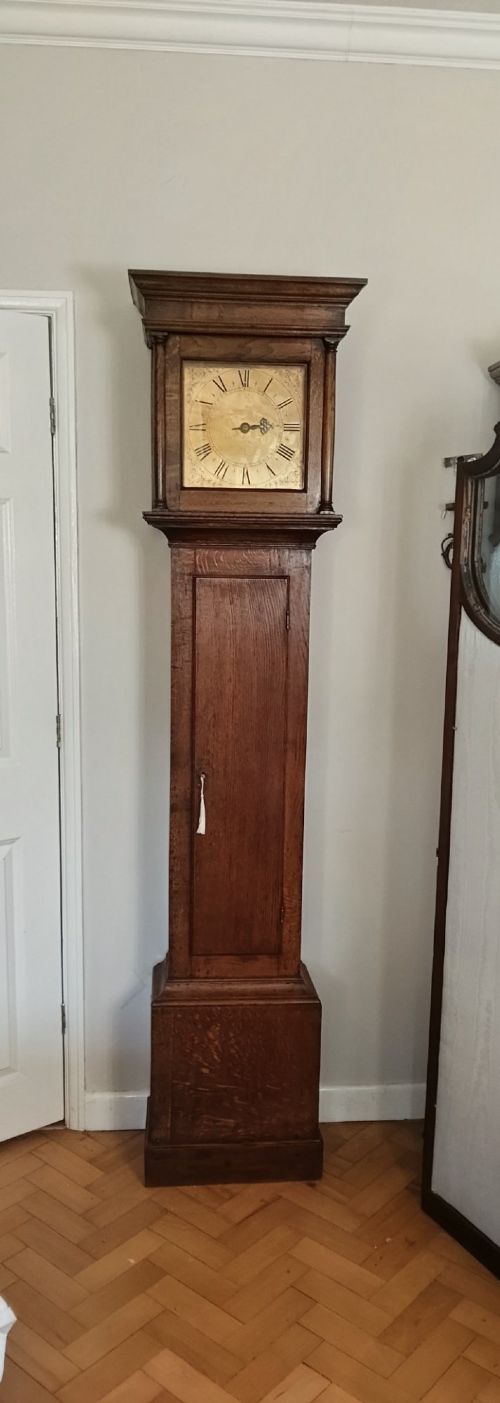
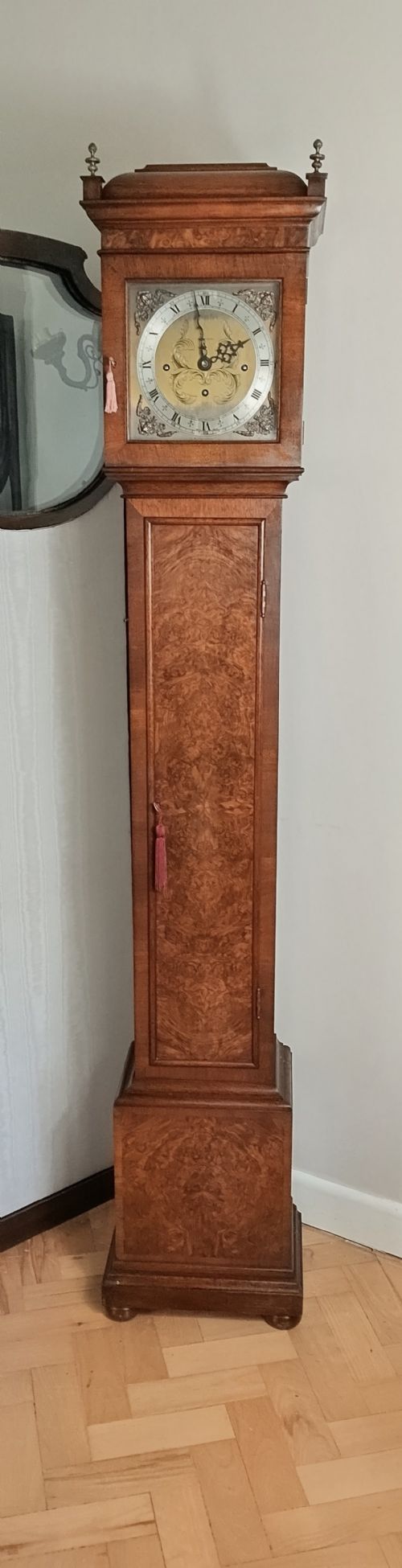
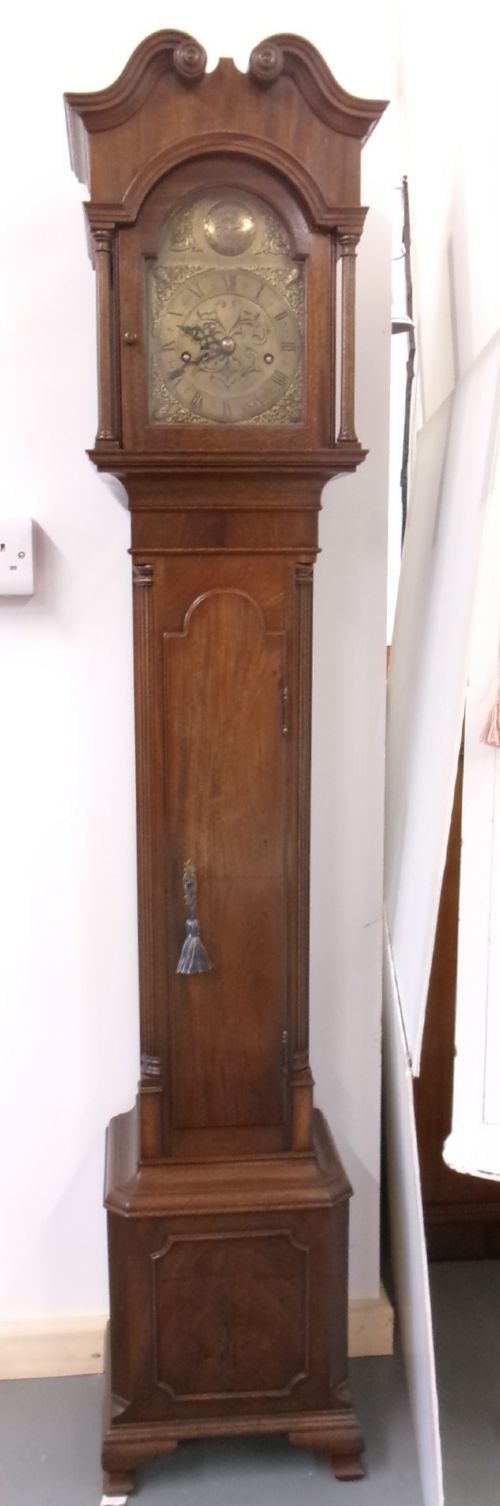
When you search for a mechanical grandfather clock, you are looking at tall case timepieces that span multiple historical periods from the Georgian era through the twentieth century. These vertical timekeepers take the form of longcase clocks, grandmothers and granddaughters, driven by weights and springs rather than electricity.
You are most likely to meet oak and mahogany examples on this page, alongside walnut and burr walnut variations. Styles range from plain Georgian vernacular to elaborate Victorian classical revivals, early twentieth century English pieces and Edwardian musical formats.
The assortment includes specialised movements such as quarter chiming mechanisms, tubular bells, regulators, automata and rocking Father Time displays. Makers represented span regional English workshops to London masters.
How they were made
The construction relies heavily on solid and veneered timbers including oak, mahogany, walnut and burr walnut. Cabinetmakers built tall timber hoods, trunks and bases to house the heavy hanging weights and swinging pendulums.
Dials and internal movements combine brass, steel and glass components. Metalworkers and horologists engineered complex gear trains, twin fusee setups, chimes and automata figures to operate with precision within the wooden cases.
Mechanical Grandfather Clock Retail Price Guide 2026
Typical asking prices for mechanical grandfather clock among the pieces listed under this phrase on Sellingantiques today, from the lower quarter to the upper quarter. They describe what is for sale here now, not the wider market.
Some clocks feature mechanical figures like a rocking Father Time keeping perpetual watch over the dial.
What varies in quality
The sophistication of the internal movement dictates much of the distinction across these clocks. Simple time-only gear trains sit at one end, while elaborate quarter chiming tubular bell systems, musical cylinders and mechanical automata represent higher complexity.
Cabinet quality also separates standard production from finer work. The choice of timber grain, such as figured flame mahogany veneer or burr walnut, combined with refined dial engraving and proportion, defines the better examples.
Elliott·Enfield·John Thompson·Hay Wolverhampton
The Mechanical Grandfather Clock Glossary
- Longcase clock
- A tall pendulum clock enclosed in a wooden case that stands directly on the floor. These tall structures protect the delicate hanging weights and long pendulums.
- Fusee
- A conical pulley used in clock movements to maintain an even pull as the mainspring unwinds. This device helps the clock keep accurate time throughout its running cycle.
- Automata
- Mechanical figures that move in time with the clock or its chimes. Examples include rocking figures like Father Time operating on the dial face.
- Grandmother clock
- A smaller version of the traditional longcase clock, typically produced in the twentieth century. These shorter alternatives fit lower ceiling heights while retaining weight-driven movements.
- Regulator
- A precision pendulum clock designed for high accuracy. These timepieces often feature simplified dials intended for timekeeping calibration.
Mechanical Grandfather Clock: Frequently Asked Questions
What is a mechanical grandfather clock?
A mechanical grandfather clock is a tall floor-standing timepiece driven by weights or springs and controlled by a pendulum. These traditional clocks rely on mechanical gears rather than electronic quartz movements.
They appear in various timber cases such as oak and mahogany, with heights ranging from full-sized grandfathers to smaller grandmother and granddaughter formats.
How do you wind a grandfather clock?
Winding involves using a key or crank inserted into winding holes on the dial face to pull the internal weights back up or tension the springs. The process requires gentle handling to avoid over-winding the mechanism.
Different movements require different intervals, ranging from daily running times to eight-day weights that need attention once a week.
Where should you place a longcase clock?
These clocks require a stable, level floor away from direct sunlight, dampness and heavy foot traffic that could disturb the pendulum. Placing them against an interior wall helps prevent vibrations from affecting the beat.
Adequate ceiling height is essential, as these tall cases range from compact granddaughter models to full-sized longcase clocks exceeding seven feet.