



Matched Pair of Chairs
A matched pair of chairs brings symmetry to a room, offering two complementary seats formed together from various periods and styles.
Matched Pair of Chairs
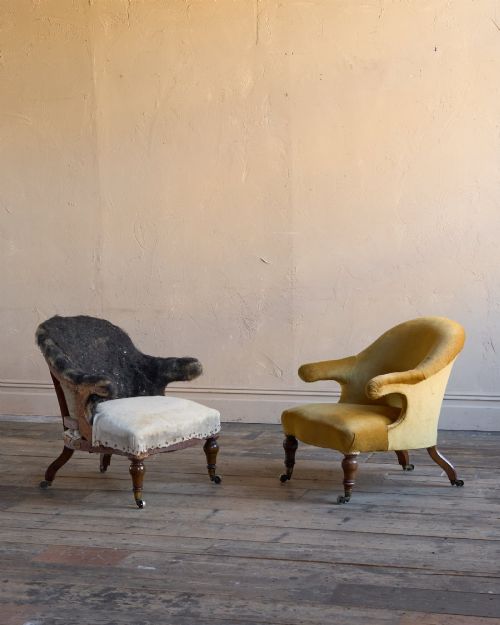
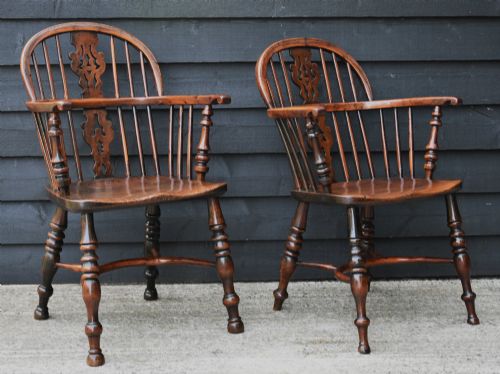
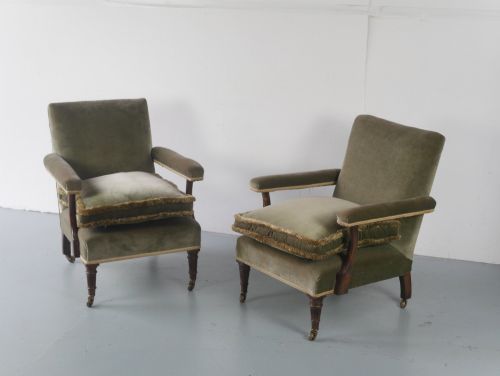
A matched pair of chairs consists of two seating pieces that share a common origin, style, or material, making a balanced statement in any interior. When searching for a matched pair of chairs, buyers encounter diverse forms ranging from Windsor armchairs to folk chairs and library armchairs.
The selections span numerous periods including the seventeenth, eighteenth, and nineteenth centuries, alongside Edwardian and later examples. Materials vary considerably, incorporating timbers like yew, elm, mahogany, oak, and hardwood, often complemented by upholstery such as velvet, leather, or fabric.
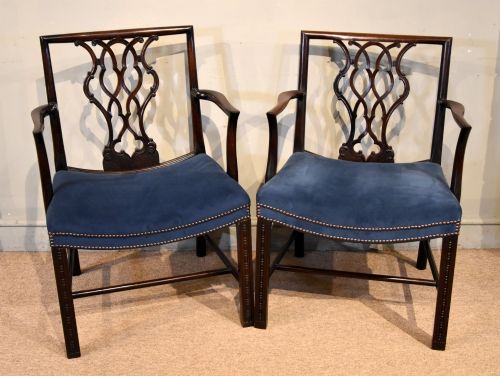
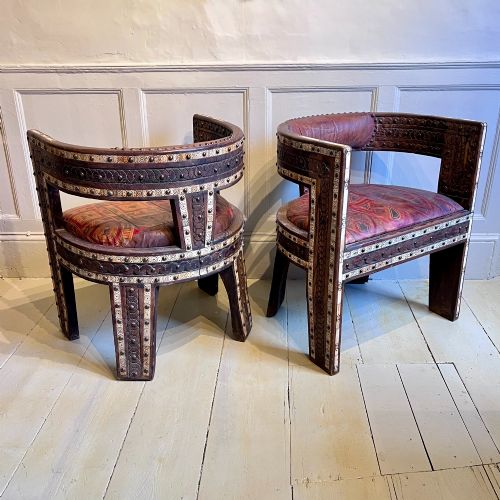
Stylistic expressions vary widely across the inventory, encompassing Georgian Chippendale, Victorian, Moorish, Qing Dynasty, and regional folk designs. These seating arrangements appear as armchairs, side chairs, and occasional chairs, suiting both formal reception rooms and garden settings.
Materials and construction
Construction relies heavily on traditional timber framing using native and imported hardwoods like mahogany, oak, elm, yew, and walnut. Artisans employed time-tested joinery methods to ensure structural integrity across armchairs, side chairs, and folding campaign furniture.
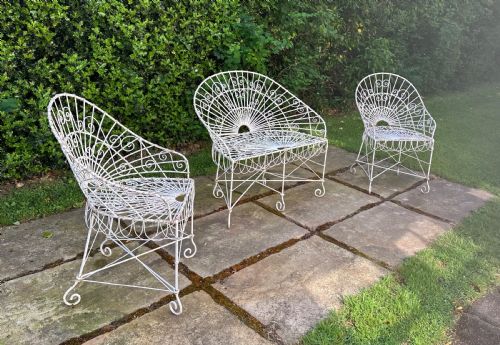
Upholstery and decorative elements add texture and colour, utilising velvet, leather, silk, brass, and woven fabric. Surface treatments incorporate inlay work, caning, carved heraldic crests, and cast iron casting for garden furniture.
Matched Pair of Chairs Retail Price Guide 2026
Typical asking prices for matched pair of chairs among the pieces listed under this phrase on Sellingantiques today, from the lower quarter to the upper quarter. They describe what is for sale here now, not the wider market.
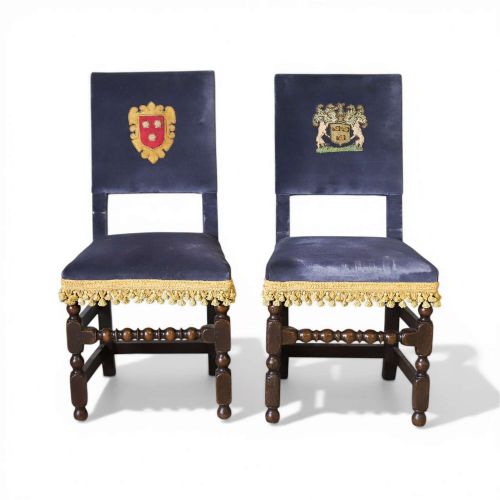
Several chairs feature silk parrot designs and heraldic crests, proving that historical ancestors enjoyed a touch of exotic wildlife and family pride.
Factors of quality
Quality rests in the precision of the timber selection and the integrity of the original construction, distinguishing robust framing from lesser builds. Finer examples display accomplished carving, refined inlays, and well-preserved upholstery textiles that complement the age of the piece.
Cohesion between the two seats defines a successful pairing, where proportions, grain patterns, and decorative details align harmoniously. Pieces retaining their original surface finishes and authentic period materials command greater appreciation among collectors.
The Matched Pair of Chairs Glossary
- Windsor armchair
- A wooden armchair featuring a saddle-shaped seat into which the legs and spindle back are wedged. These sturdy chairs often combine elm seats with yew or ash framework.
- Campaign chair
- A portable folding chair designed for military officers on the move during the eighteenth and nineteenth centuries. They typically feature X-frame structures and leather or canvas seats.
- Chinoiserie
- A European artistic style reflecting Chinese motifs and techniques, popular in furniture decoration during the eighteenth and early twentieth centuries. It frequently appears on lacquered surfaces and painted woodwork.
- Armorial chair
- A ceremonial chair featuring carved, painted, or embroidered heraldic crests denoting family lineage or clan affiliation. These seating items date primarily to the seventeenth century and earlier.
- Occasional chair
- A lightweight, decorative chair designed to be moved around a room as needed for extra seating. Edwardian and nineteenth-century examples often incorporate delicate inlay and tub-shaped backs.
Matched Pair of Chairs: Frequently Asked Questions
What defines a matched pair of chairs?
A matched pair consists of two seats sharing identical style, period, materials, and proportions, designed to sit together harmoniously. They provide balanced seating arrangements in drawing rooms, libraries, and bedrooms.
Unlike standard dining sets, these pairs are often standalone armchairs, occasional chairs, or folk seating gathered for their aesthetic symmetry and complementary character.
How do I care for antique wooden chairs?
Maintain antique timber by keeping chairs away from direct heat sources and fluctuating humidity levels to prevent wood splitting. Regular dusting with a soft, dry cloth preserves the finish without abrasive chemicals.
Treat leather and fabric upholstery according to their specific material requirements, avoiding harsh sunlight that causes fading in silks and velvets.
Where were nineteenth century campaign chairs used?
Nineteenth century folding campaign chairs were utilised by military officers and travellers on expeditionary campaigns. Their collapsible design allowed for ease of transport across remote terrains.
Constructed from durable hardwoods and leather, these functional seats combined portability with necessary comfort during extended periods away from permanent quarters.
What is a Windsor armchair?
A Windsor armchair is constructed with a solid wooden seat into which the back spindles and legs are fitted directly. They typically pair an elm seat with responsive yew or ash framing.
Originating in country houses and rural workshops, these chairs offer robust everyday seating with distinctive turned components and curved back rails.