
Marble Topped Table
A marble topped table brings a cool stone surface to a room, offering practical weight and decorative veining across console, bedside and centre designs.
Marble Topped Table
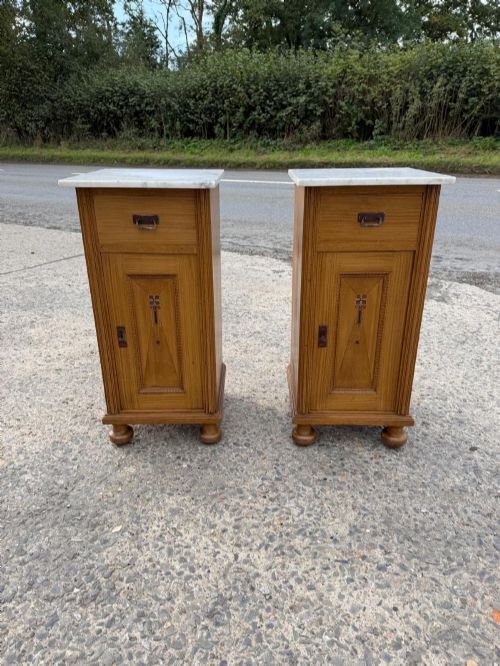
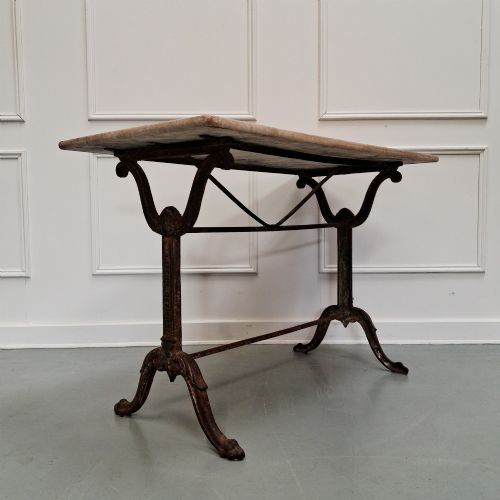
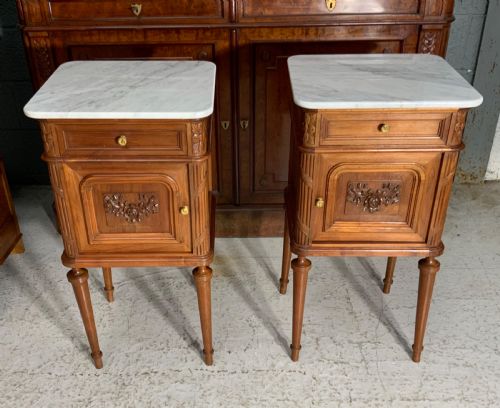
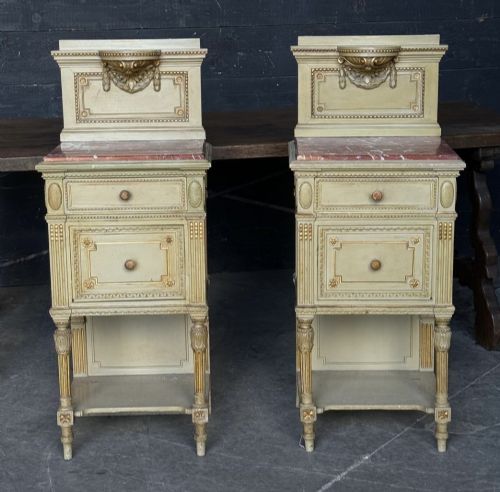
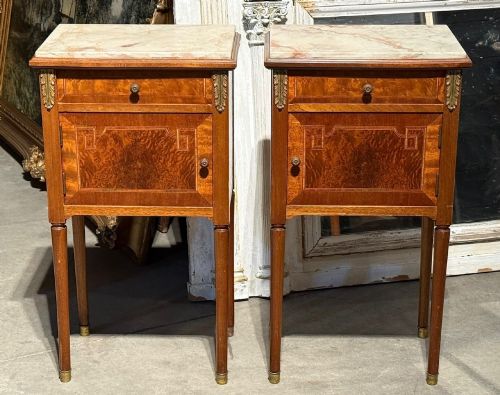
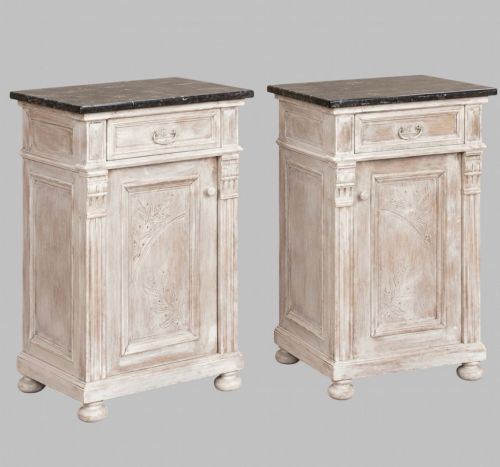
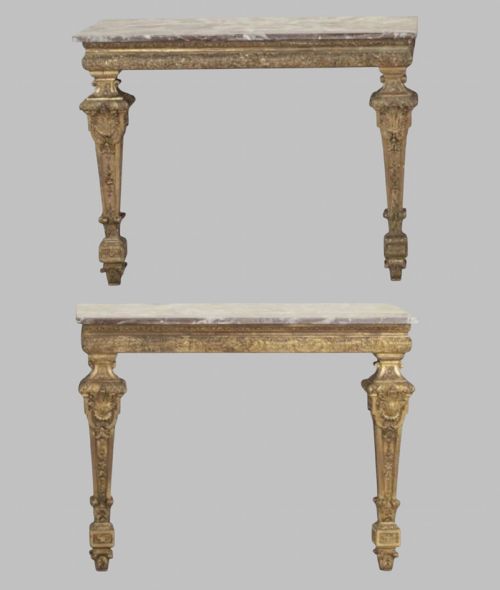
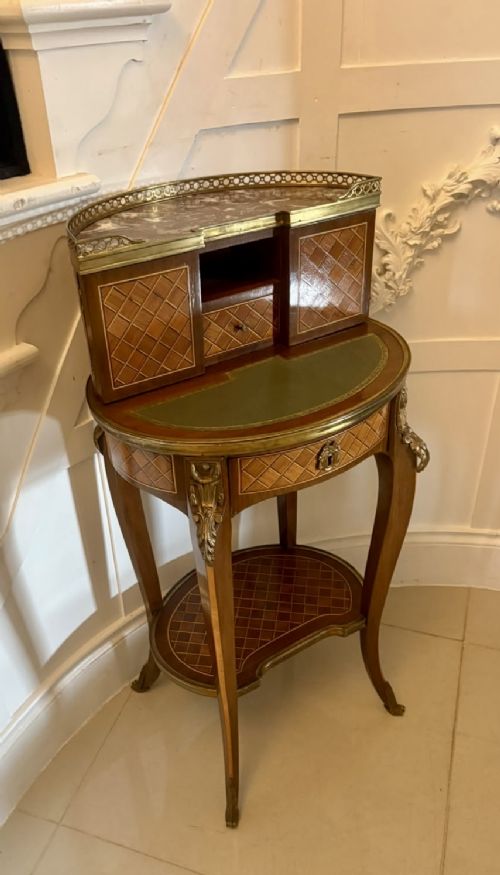
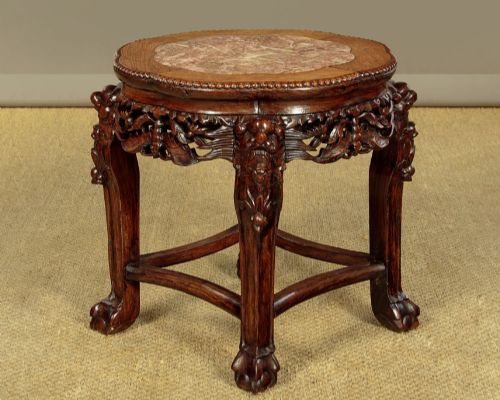
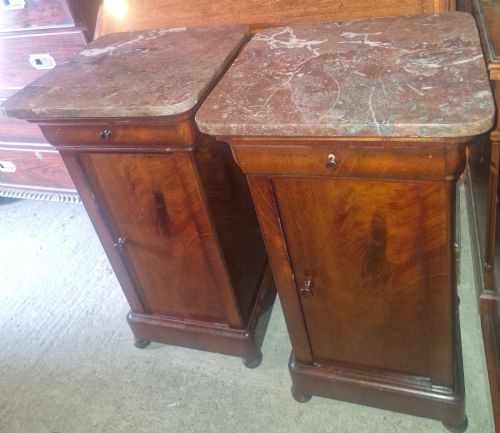
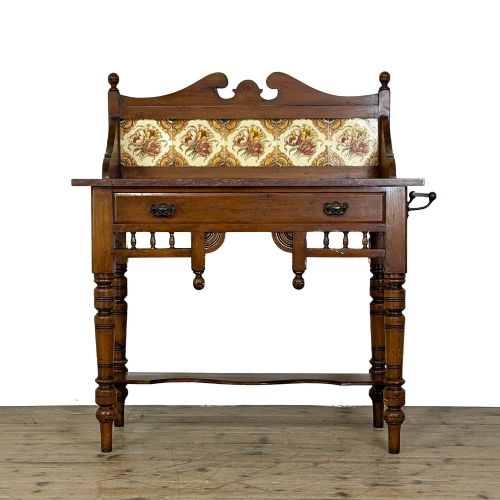
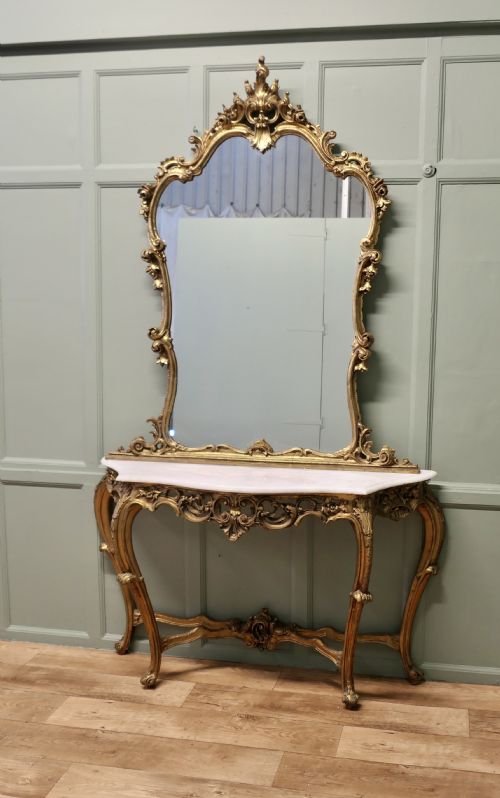
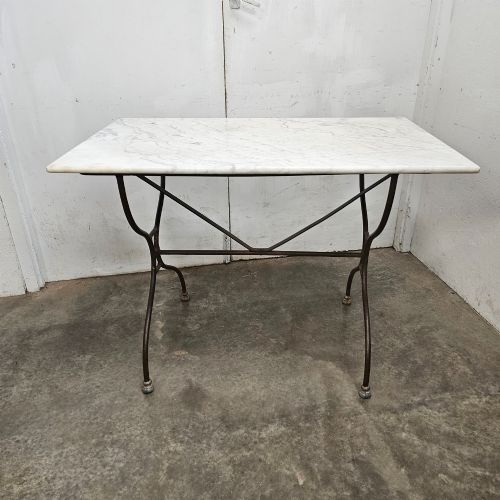
A marble topped table appears in various functional forms throughout these listings, ranging from grand console tables and low coffee tables to compact bedside cabinets and washstands. Buyers searching for a marble topped table encounter pieces spanning the eighteenth, nineteenth, and early twentieth centuries, with Victorian and French regional influences predominating.
The domestic role of these pieces varies according to their original purpose. Washstands and bedside cabinets served utilitarian bedroom functions, whereas giltwood consoles and centre tables occupied formal reception rooms and hallways as decorative display surfaces.
Materials and Construction
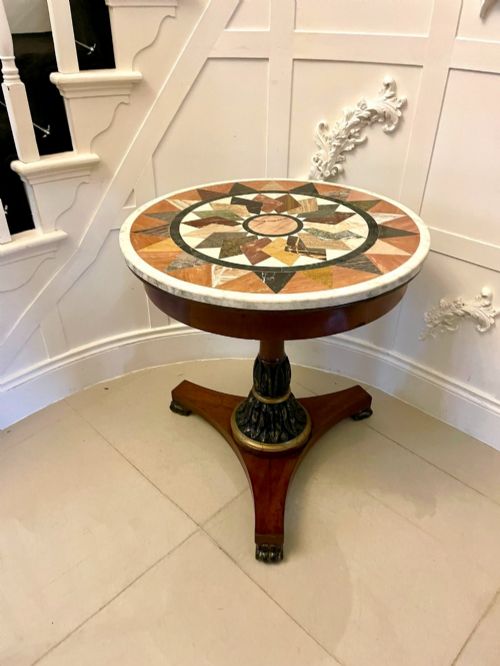
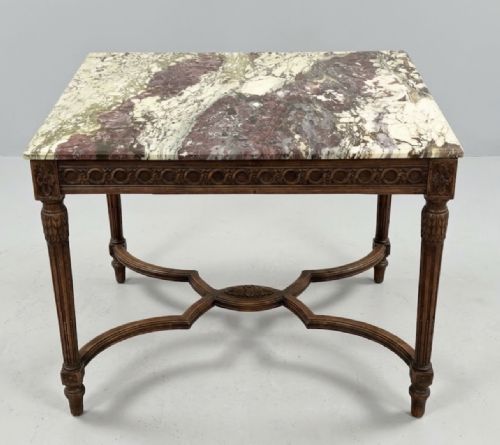
The construction combines solid and veneered timbers such as mahogany, walnut, kingwood, and oak with heavy shaped stone slabs. Cabinetmakers mounted slabs of white, rouge, breccia, and verde marble directly onto wooden frames, often securing them with mouldings or leaving them loose for ease of movement.
Decorative metalwork frequently accompanies the timber and stone. Ormolu, gilt bronze mounts, brass, and giltwood detailing define the French Empire, Louis XVI, and Rococo styles seen across the inventory, while carved wooden bases provide structural support for the dense stone tops.
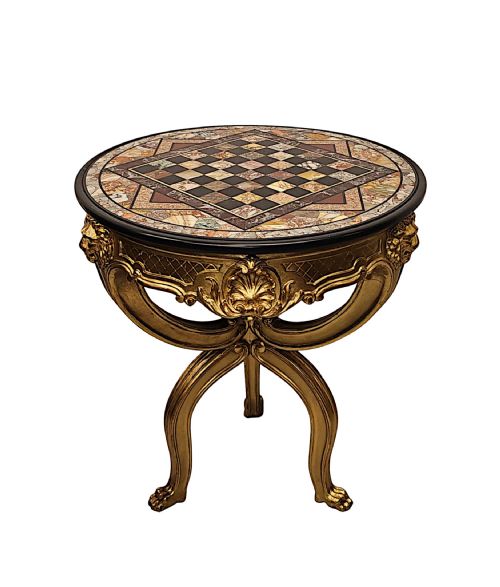
Grand Tour travellers returned with specimen chess board tops made from a patchwork of Italian marbles.
Evaluating Quality and Execution
Quality rests upon the selection and matching of materials, from the choice of figured timber veneers and parquetry to the mineral patterns within the marble slab. Superior examples display crisp, hand-carved details in the wooden or giltwood bases and precise casting in any metal mounts.
Proportion and structural integrity dictate the standing of a piece. Finer specimens maintain rigid joinery despite the substantial weight of the stone top, whereas lesser pieces show simpler construction and standard secondary timbers.
Felix-Alfred Ternisien
The Marble Topped Table Glossary
- Console table
- A table designed to stand against a wall, frequently secured to it with brackets or resting on front legs.
- Gueridon
- A French term for a small round table, often used as a centre or lamp table.
- Parquetry
- Geometric patterns of wood veneer laid down on a surface to form decorative designs.
- Ormolu
- Gilded bronze used for decorative mounts on furniture.
- Breccia
- A composite rock made of broken fragments of minerals held together by a fine-grained matrix, prized for multicoloured marble tops.
Marble Topped Table: Frequently Asked Questions
How do I clean a marble topped table?
Wipe the stone surface using a damp cloth and mild, pH-neutral soap to avoid etching the polish. Acidic substances like citrus juice or vinegar will damage the calcium carbonate in the marble if left unattended.
Dry the surface thoroughly with a soft cloth after washing. Avoid abrasive scourers or harsh chemical cleaners that dull the finish of the stone.
Can I place hot items on the stone?
Hot cups or plates should not rest directly on the stone surface. Rapid temperature changes can cause thermal shock, leading to cracks or surface discolouration in the marble.
Use coasters and trivets beneath hot dishes or mugs to protect the polish and sealing of the stone. Prevention remains the best method for maintaining vintage marble tops.
Are the marble tops fixed in place?
Many stone slabs on nineteenth-century tables simply rest on the wooden frame under their own heavy weight. This traditional design allowed for easier transport of the furniture.
Larger console tables or washstands may have secured tops, but checking the seating of the stone is sensible before attempting to move the piece.
How do I identify a French style piece?
French designs often feature characteristic motifs such as gilt bronze mounts, kingwood parquetry, cabriole legs, and shaped demilune or serpentine frames. Styles range from Rococo curves to symmetrical Empire frameworks.
Examining the secondary timbers and the quality of the ormolu casting helps confirm the continental origins of the piece.