

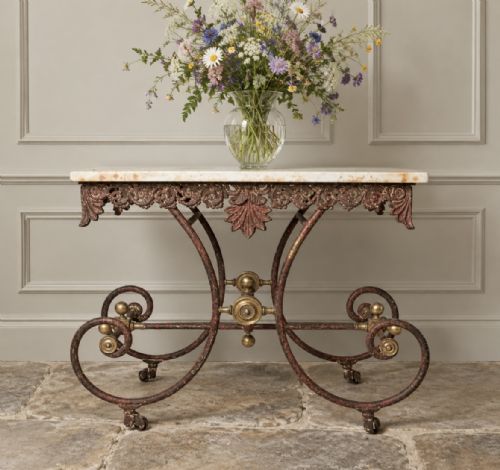


Marble Top Work Table
A marble top work table brings enduring utility and classic French style into a room, offering a cool stone surface supported by sturdy iron or timber.
Marble Top Work Table
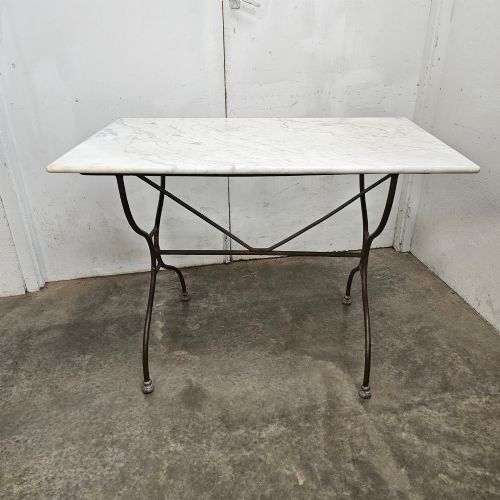
A marble top work table encompasses practical utility pieces originating primarily from nineteenth century France, including console tables, baker tables, and patisserie tables. These items combine robust stone surfaces with supportive frames suited for functional preparation or display.
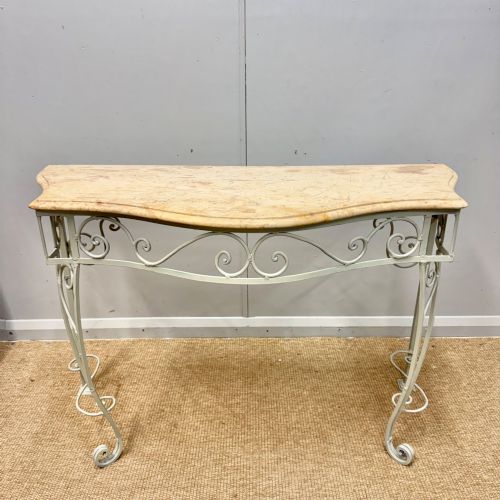
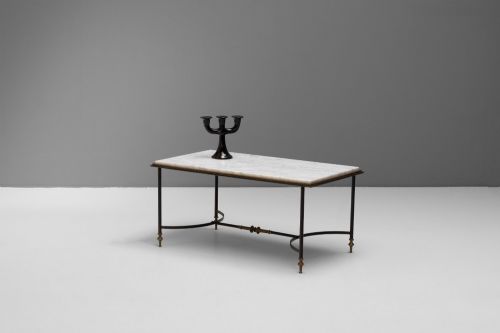
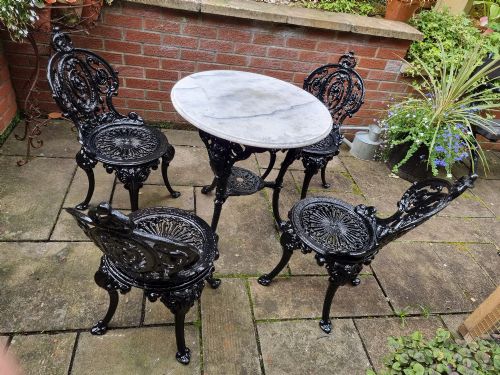
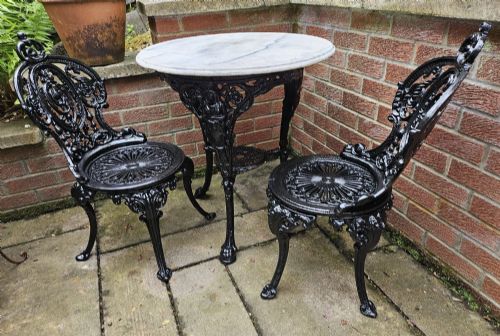
The most common iterations encountered on this page feature wrought iron or cast iron bases paired with smooth marble surfaces, frequently styled in French Provincial or Victorian aesthetics. Examples range from narrow console shapes designed for hallways to compact bistro and coffee table formats.
Period variations span the Edwardian era, nineteen twenties, and nineteen thirties, alongside broader nineteenth century designations. Certain pieces exhibit specialised forms such as kidney shaped occasional tables or extending console frames.
Materials and construction methods
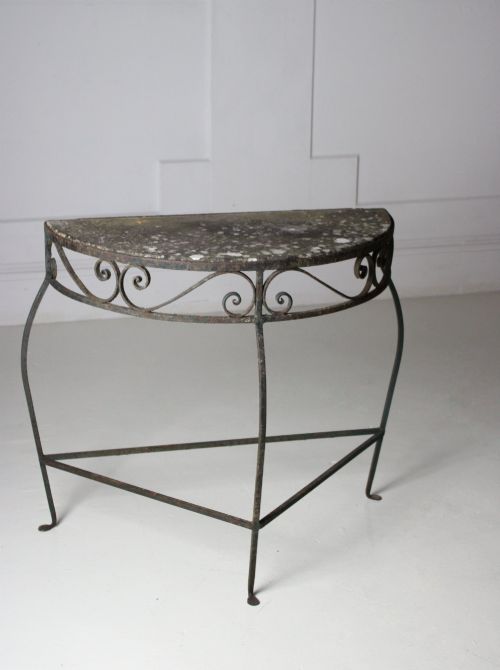
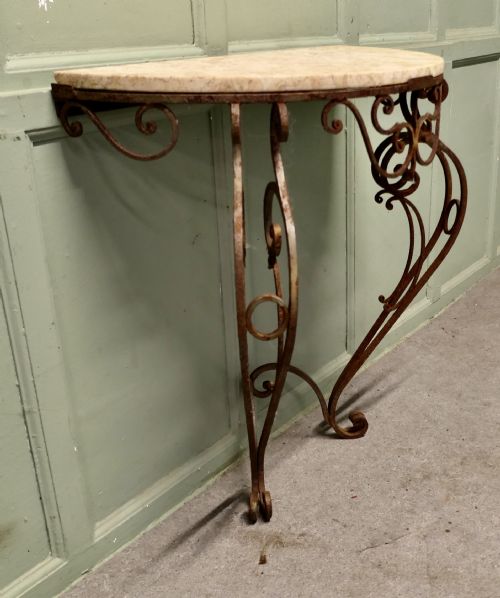
Construction relies heavily on durable metals, specifically wrought iron and cast iron, utilised to form robust structural bases and decorative console legs. These metal frames often incorporate scrollwork or simple industrial bracing to support heavy stone slabs.
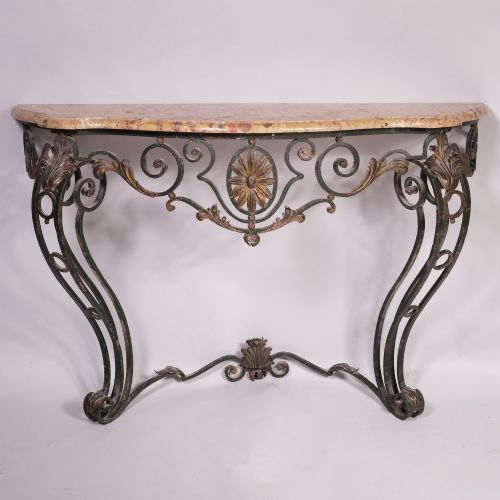
Surfaces are fashioned from solid marble or stone, sometimes featuring shaped profiles such as serpentine edges or fitted kidney contours. Secondary materials include ebonised wood and figured rosewood on specific occasional and console variants.
Finishes range from patinated ironwork to applied gold leaf accents, reflecting the stylistic influences of Neoclassical and Louis Revival periods. Original operational elements appear on extending frames and specialist butcher tables.
Marble Top Work Table Retail Price Guide 2026
Typical asking prices for marble top work table among the pieces listed under this phrase on Sellingantiques today, from the lower quarter to the upper quarter. They describe what is for sale here now, not the wider market.
Listings feature items spanning the nineteenth century, Edwardian period, nineteen twenties, and nineteen thirties, predominantly originating from French sources.
Distinctions in craftsmanship and form
Quality separates standard utilitarian items from finer decorative pieces through the execution of the metalwork and the selection of the stone. Hand-forged wrought iron frames with intricate detailing command attention compared to simpler cast components.
The integrity and thickness of the marble surface dictate the refinement of the piece, particularly where edges are shaped into serpentine or kidney profiles. Finer examples display harmonious proportions between the heavy stone top and the supporting iron or timber base.
The authenticity of the pairing between the stone and the base influences the character of the object. Cohesive nineteenth century origins enhance the overall integrity of a console or baker table.
The Marble Top Work Table Glossary
- Console table
- A table designed to stand against a wall, frequently supported by brackets or console legs. These pieces often feature narrow depths suited for hallways or reception rooms.
- Patisserie table
- A functional work table historically utilised in French bakeries and pastry shops. They are characterised by heavy marble surfaces intended for rolling dough.
- Wrought iron
- Iron that has been heated and shaped by blacksmiths using tools. This material provides the strong, malleable framework seen on many French tables.
- Serpentine
- A furniture edge or front that curves outward and then inward in a wave-like motion. This contour adds visual movement to heavy marble tops.
- Kidney shaped
- A curved furniture top resembling the bean shape of a kidney. This form appears on occasional and side tables from the nineteenth century.
Marble Top Work Table: Frequently Asked Questions
What is a marble top work table used for?
These tables function as practical preparation surfaces, serving stations, or decorative console tables in hallways and living spaces. The cool stone top makes them particularly suitable for display purposes.
Historically utilised in French bakeries and patisseries for working with pastry, modern interiors adapt them easily for daily utility and interior styling.
How do I identify a nineteenth century piece?
Dating relies upon examining construction methods, metal patination, and stylistic markers such as Neoclassical or Louis XVI Revival details. Hand-forged wrought iron and traditional joinery point toward earlier periods.
Listings often categorise these items by specific eras including Edwardian, nineteen twenties, and nineteen thirties alongside broad nineteenth century classifications.
Are the marble tops original to the bases?
Many pieces retain their original fitted stone surfaces, particularly heavy patisserie and baker tables designed specifically for stone slabs. Examining the seating and weight distribution helps verify the integrity of the pairing.
French iron bases frequently accommodate thick marble or stone inserts that match the exact proportions of the frame.
How do I care for a marble surface?
Marble requires gentle cleaning with warm water and mild, non-acidic soap to preserve the polish and natural finish. Avoiding harsh chemicals prevents etching on the porous stone.
Using coasters and mats protects the heavy top from moisture and staining during everyday use in domestic environments.