

Marble and Wood Table
A marble and wood table brings together cool stone and warm timber across centuries of European and Asian design.
Marble and Wood Table
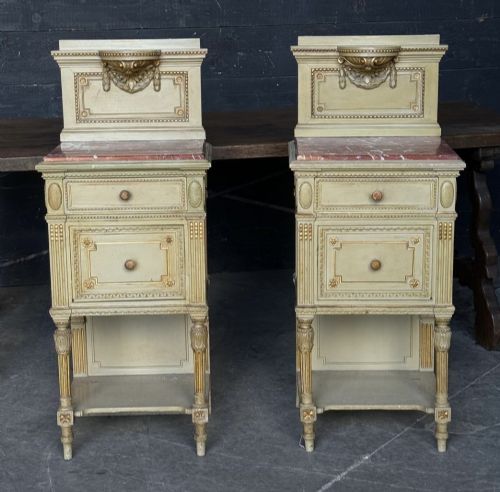
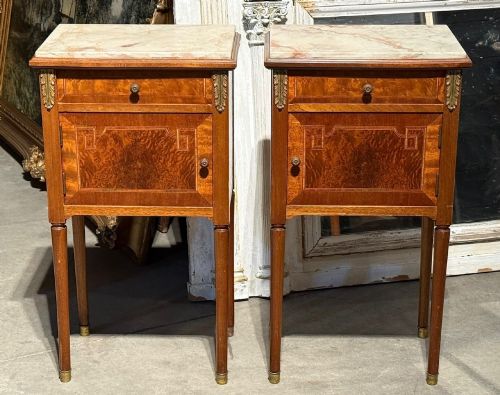
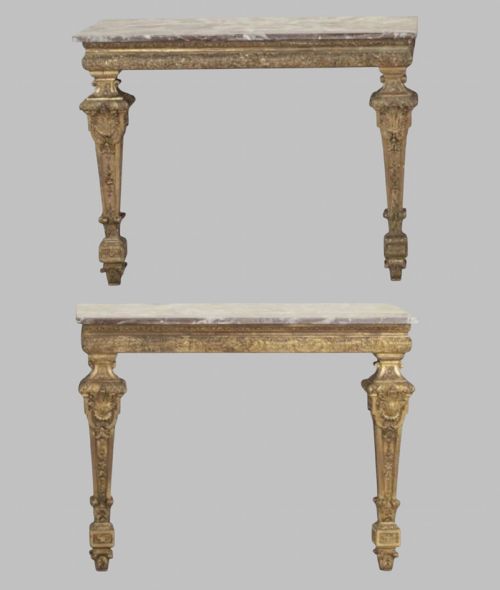
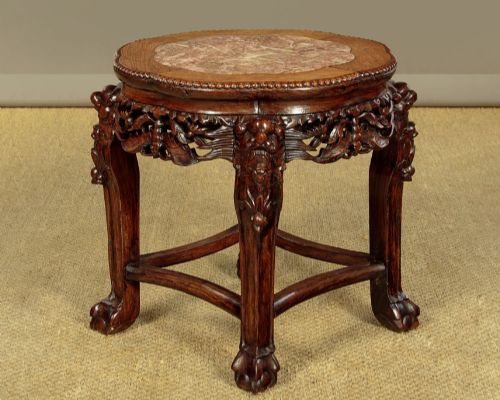
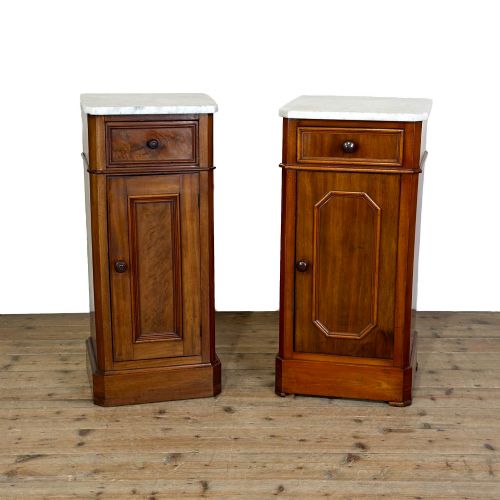
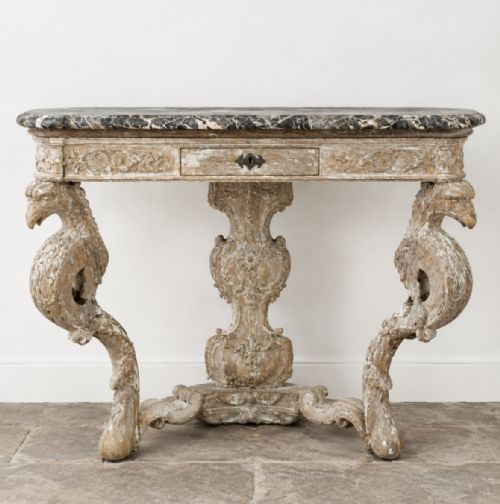
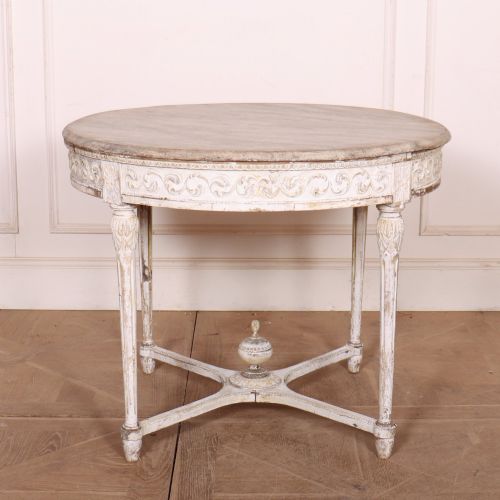
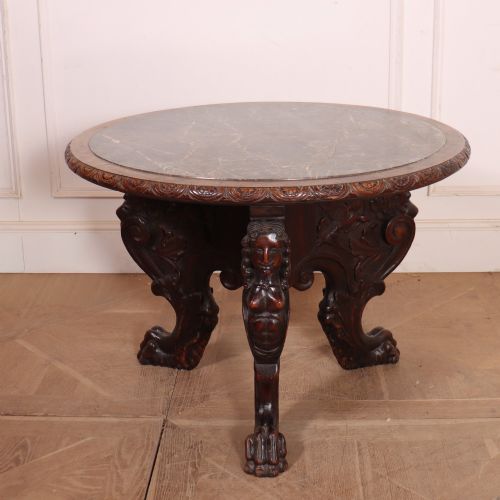
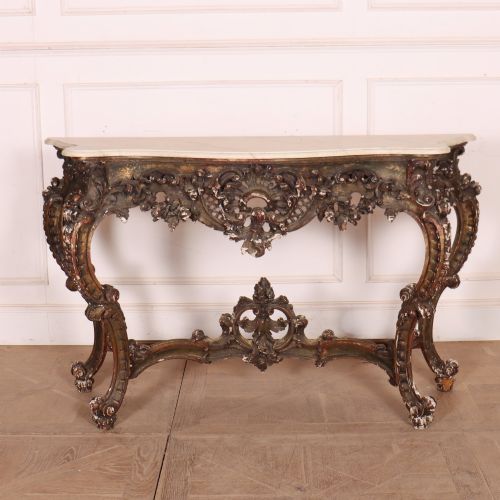
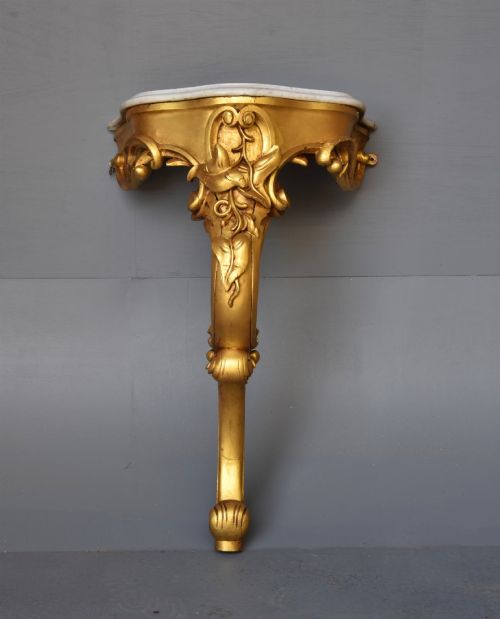
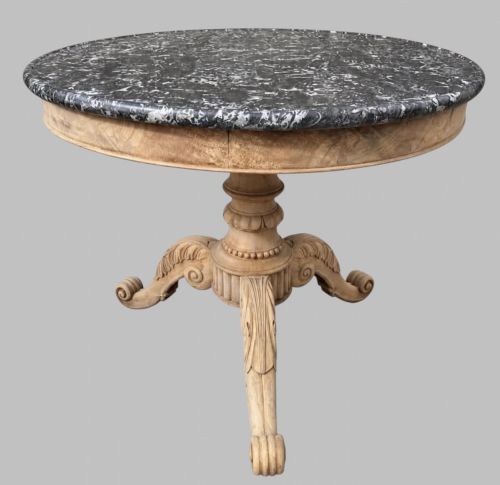
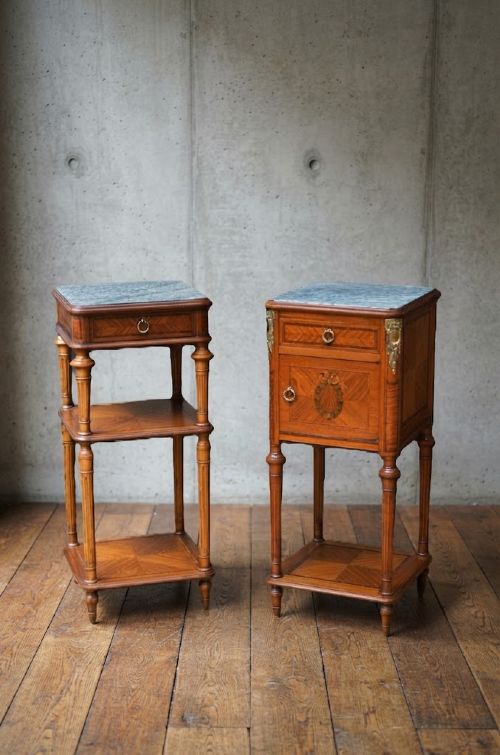
A marble and wood table appears in several distinct forms across the inventory, ranging from grand Italian and French console tables to smaller bedside cabinets, plant stands, lamp tables, and centre tables.
The periods represented span the eighteenth century through the early twentieth century, including Regency, Victorian, and specific movements such as Louis XVI style, French Rococo, and Qing Dynasty pieces.
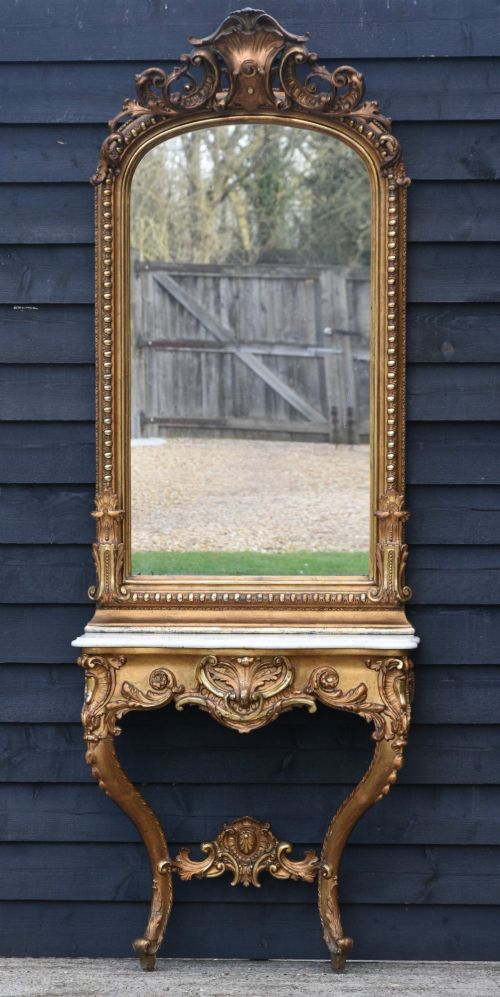
Console tables designed to stand against a wall occur frequently alongside low side tables and freestanding centre tables utilising stone slabs.
Materials and construction
Carpenters utilised various timbers including mahogany, walnut, satinwood, rosewood, and general hardwood alongside carved giltwood and painted finishes.
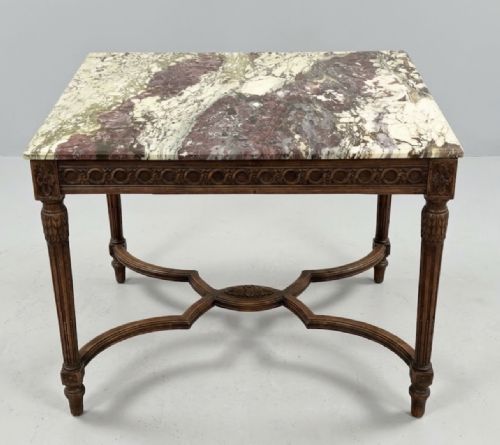
Tabletops utilise natural stone slabs, specifically various marbles such as rouge marble, breccia, and onyx, fitted directly into wooden frames or cabinet carcases.
Carving, gilding, and structural joinery define the wooden bases, supporting heavy stone tops through pegged joints and moulded rails.
Listings feature items spanning the eighteenth century to the early twentieth century, incorporating hardwoods, giltwood, and natural stone.
Quality differences
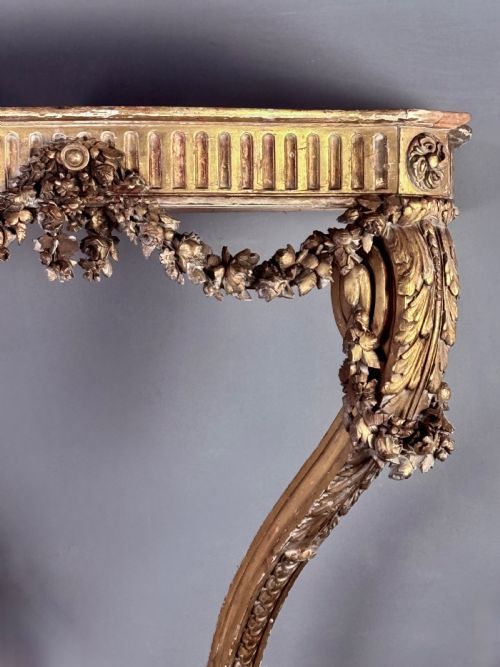
Depth and precision of hand carving on wooden elements separate standard production from exceptional examples, particularly on giltwood consoles and Italian frames.
The selection and figuring of the stone top, such as coloured breccia or matched marble slabs, indicate the original ambition of the piece.
Integration between the stone and the wooden base determines the success of the construction, where tight joints and stable frames preserve alignment.
Felix Alfred Ternisien·Amleto Bertoni
The Marble and Wood Table Glossary
- Console table
- A table designed to stand against a wall, frequently secured to the structure or supported by elaborate front legs.
- Giltwood
- Wood that has been coated with gold leaf or gilt preparation, common on eighteenth and nineteenth-century decorative frames.
- Gueridon
- A small French table, typically round and supported by a central column or tripod base.
- Breccia
- A composite marble made of angular fragments cemented together in a fine-grained matrix, creating complex multicoloured patterns.
- Serpentine front
- A furniture front curving inward centrally and outward at the ends in a continuous undulating line.
Marble and Wood Table: Frequently Asked Questions
How do I clean a marble top?
Use a damp cloth with mild soap to wipe the surface, avoiding acidic cleaners that etch stone.
Dry the marble thoroughly afterwards to prevent water marks.
Are these tables freestanding?
Centre tables, coffee tables, and lamp tables stand independently in rooms.
Console tables often require wall fixing for stability due to their narrow proportions.
How do I identify the wood type?
Examine the grain pattern, colour, and weight of the exposed timber framing.
Mahogany and walnut display distinct grain characteristics compared to gilded surfaces.
What is a gueridon table?
A gueridon is a small freestanding table originating in seventeenth-century France.
These pieces often serve as lamp tables or plant stands.