

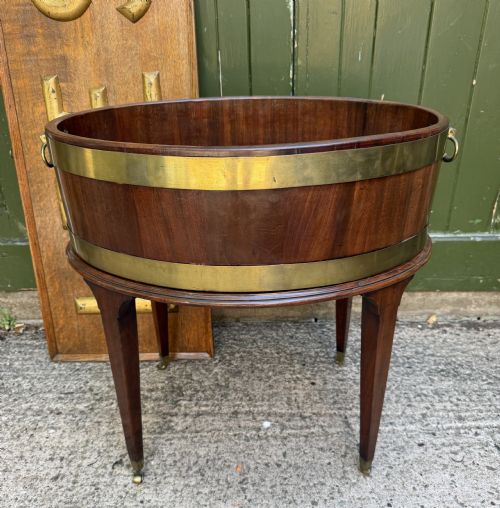
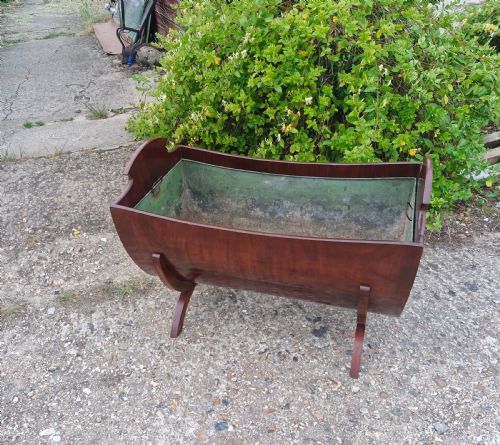
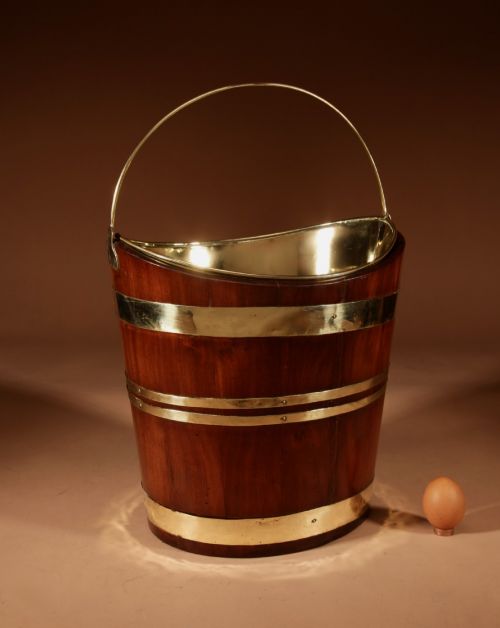


Mahogany Wood Planter
A mahogany wood planter brings rich grain and traditional craftsmanship into a room, offering a stately home for indoor greenery.
Mahogany Wood Planter
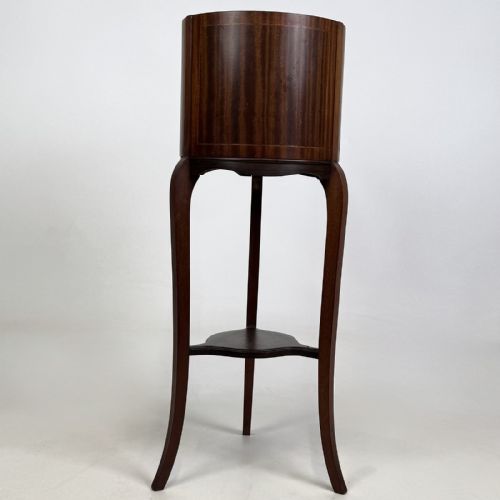
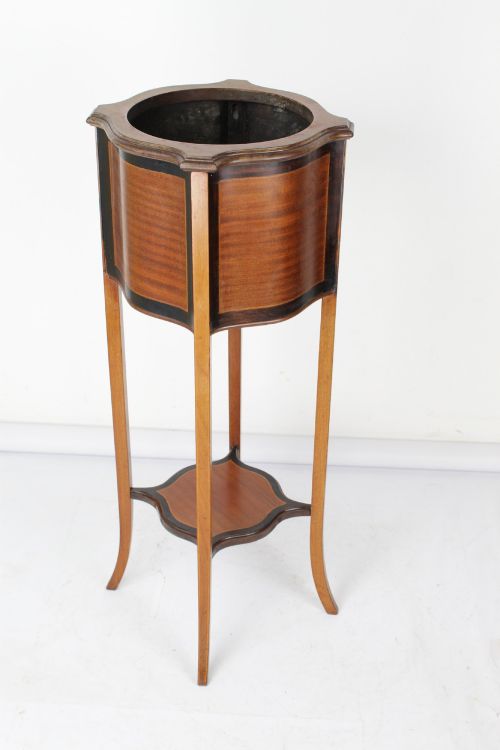
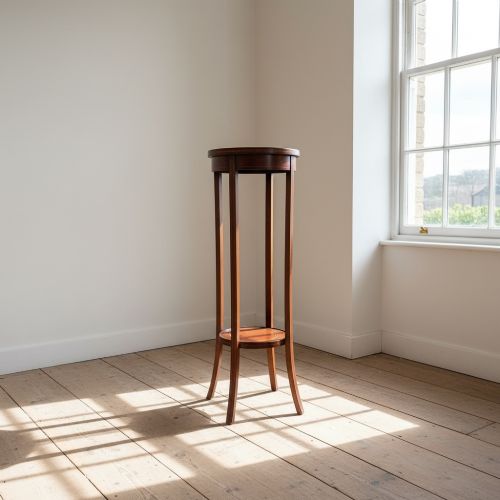
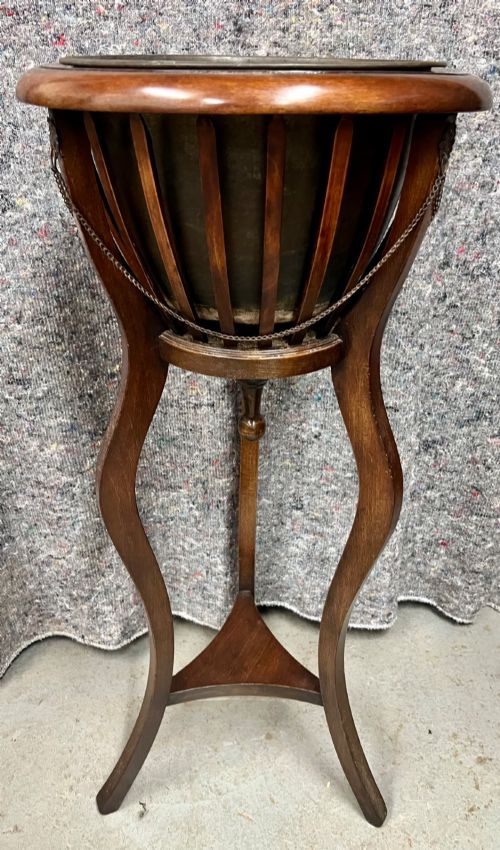
A mahogany wood planter encompasses a diverse group of vessels designed to display indoor foliage, ranging from tall plant stands to floor-standing coopered buckets and jardinières. When searching for a mahogany wood planter, buyers frequently encounter Edwardian plant stands and nineteenth-century brass-bound containers.
The historical function of these objects extends beyond simple horticulture, as many examples began life as wine coolers, peat buckets, or tea stoves before finding a second life holding plants. Georgian and Victorian versions demonstrate how utilitarian vessels were constructed with decorative presence in mind.
Origin and style vary considerably across the selection, featuring Dutch traditional coopered construction, Chinese export vase stands, and English campaign pieces. Buyers will find that taller torchere-style stands share space on the floor with low, boat-shaped vessels designed to hold large pots.
Construction and materials
Makers utilised solid mahogany and hardwood, frequently employing coopered stave construction held together with polished brass bands to create water-resistant vessels. This traditional barrel-making technique ensured the timber could withstand damp soil without splitting.
Surface ornamentation relied heavily on contrasting timber details, including satinwood and boxwood inlay, alongside ebonised wood highlights and fine hand-carving. Certain pieces incorporate iron hardware or contrasting walnut bodies to enhance the visual weight of the design.
Mahogany Wood Planter Retail Price Guide 2026
Typical asking prices for mahogany wood planter among the pieces listed under this phrase on Sellingantiques today, from the lower quarter to the upper quarter. They describe what is for sale here now, not the wider market.
Current listings feature nineteenth-century, Edwardian, and Georgian periods, utilising mahogany, brass, satinwood, and boxwood inlay.
Distinctions in quality
Quality rests on the crispness of the brass binding, the tightness of the coopered staves, and the precision of any boxwood or satinwood inlay work. Superior examples exhibit seamless joinery where timber meets metal.
The handling of the mahogany timber itself dictates value, with deeply figured grain patterns and patination elevating an ordinary container into a piece of fine furniture.
The Mahogany Wood Planter Glossary
- Coopered
- Built from vertical wooden staves fitted together and bound with metal hoops, much like a traditional drinking barrel.
- Jardiniere
- An ornamental pot or stand designed specifically to hold a living plant or floral arrangement inside a room.
- Torchere
- A tall, slender freestanding stand originally intended to support a candle, later adapted for holding plants and decorative vases.
- Teestoof
- A Dutch footstove or warming bucket traditionally lined with hot coals, often repurposed today as a jardiniere.
- Padouk
- A dense tropical timber with a rich reddish hue, sometimes utilised in place of standard mahogany for export furniture.
Mahogany Wood Planter: Frequently Asked Questions
Can I plant directly into a historic mahogany wood planter?
Planted soil and moisture can damage antique timber and original interior linings over decades of use. It is safer to place a modern plastic nursery pot inside the vessel with a protective saucer.
Using a liner preserves the interior staves and prevents water rings from forming on the polished mahogany base.
How do I distinguish a wine cooler from a planter?
Many nineteenth-century planters started life as wine coolers, champagne buckets, or peat buckets before being adopted for botanical displays. Original metal linings or lead inserts often point toward a beverage-cooling heritage.
Both forms share heavy brass binding and robust coopered construction, making them equally suited for holding large potted plants today.
Where should I place a tall plant stand in a room?
Tall plant stands and torchere bases suit empty corners or narrow wall spaces where they add vertical interest without blocking walkways. They elevate trailing foliage to eye level, creating focal points.
Ensure the stand rests on a level surface because antique tripod and cabriole legs can wobble on thick carpets.
How do I care for the mahogany finish?
Maintenance requires gentle dusting with a dry lint-free cloth and occasional application of traditional beeswax to nourish the dry timber. Avoid commercial silicone sprays that trap moisture.
Keep wooden containers away from direct radiator heat and bright sunlight to prevent the mahogany veneer or solid staves from splitting.