

Mahogany Wood Pedestals
These mahogany wood pedestals span grand multi-pillar dining tables and slender tripod stands, offering robust structure and rich timber grain for period interiors.
Mahogany Wood Pedestals
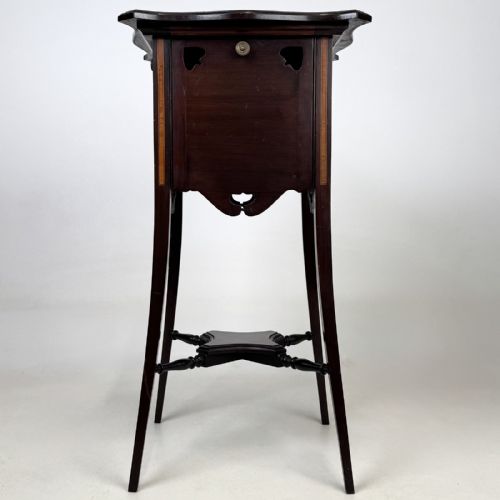
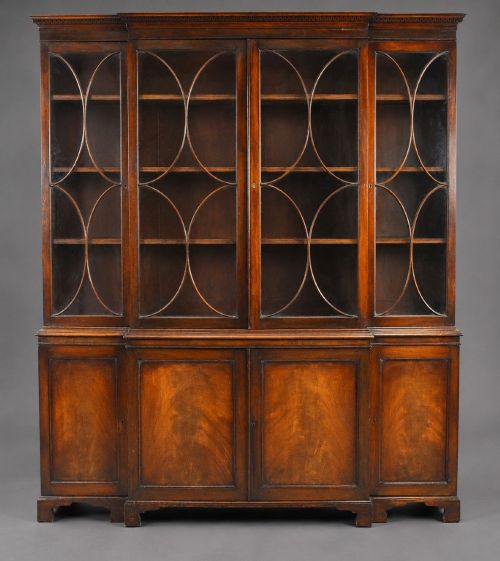
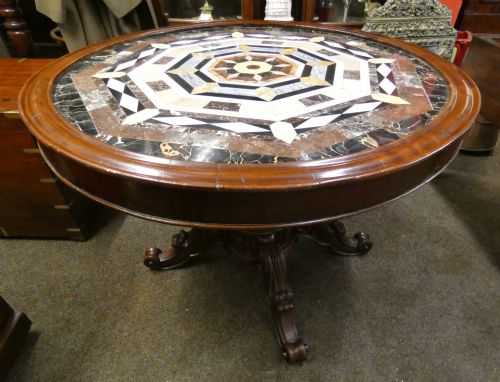
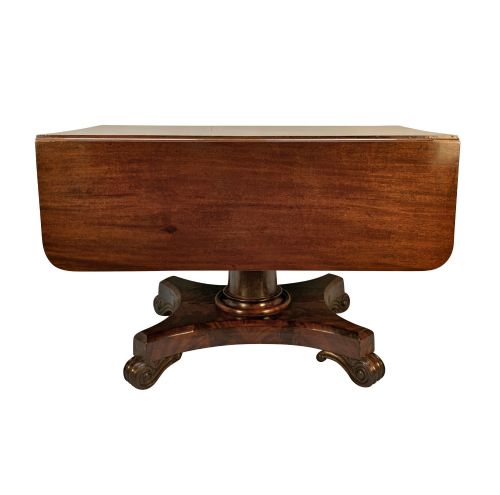
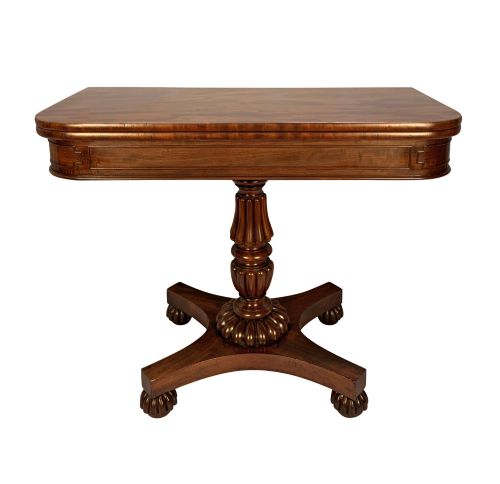
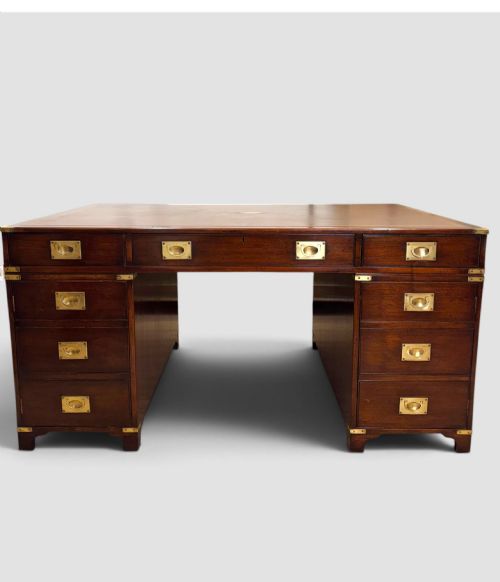
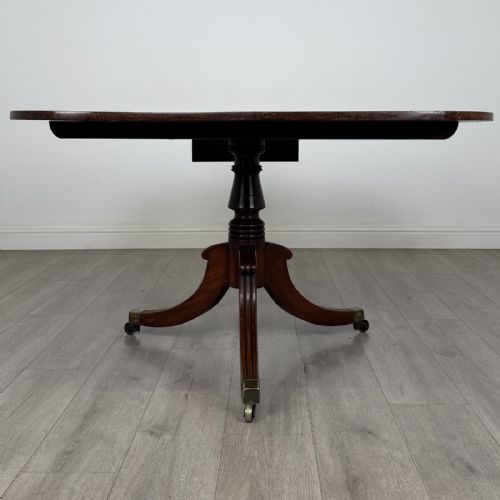
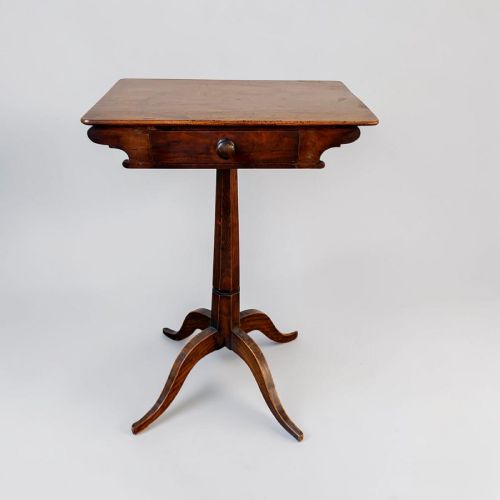
When searching for mahogany wood pedestals, buyers encounter a diverse range of furniture forms including multi-pillar dining tables, wine tables, plant stands, and twin pedestal desks. These pieces primarily date from the Georgian, Regency, and Victorian eras, alongside Edwardian examples and later revivals.
The domestic and dining pieces on this page serve functional roles such as serving meals, holding lamps, or providing writing surfaces. Dining tables often utilise multiple timber pedestals to support long leaves, whilst smaller tripod and occasional tables anchor corners and seating areas.
Origins span formal English cabinet makers through to colonial workshops, incorporating native hardwoods and specialist specimen timbers. Buyers regularly meet smaller items like plant stands and wine tables alongside substantial banquet tables designed for large gatherings.
How they were made
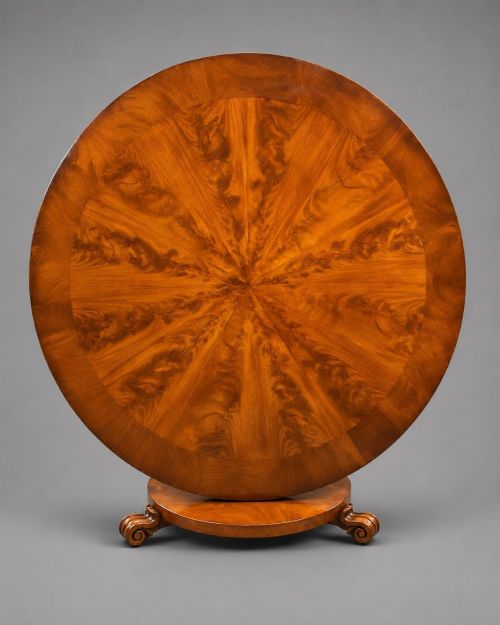
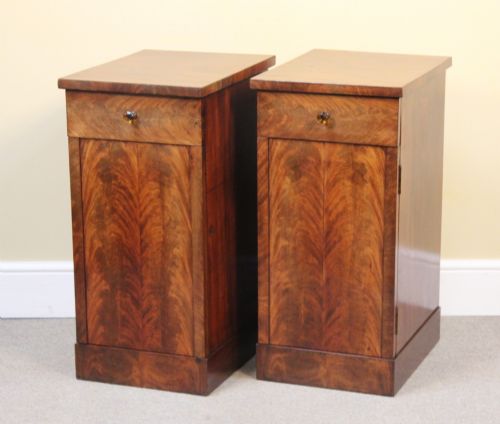
Cabinet makers utilised solid mahogany and flame mahogany veneer applied over secondary timbers, often accentuating the grain with contrasting inlay such as satinwood and ebony. Structural stability relied on turned central columns, cabriole legs, and robust timber framing.
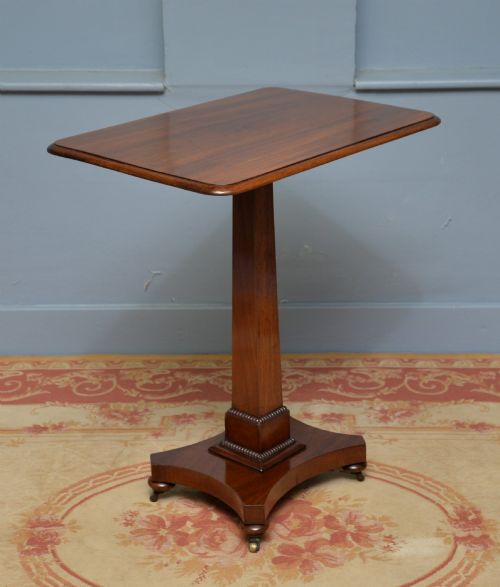
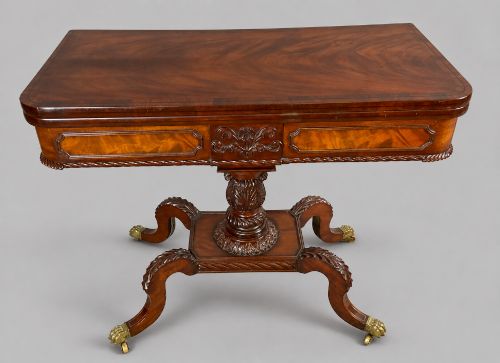
Makers integrated brass elements, including cast on casters for mobility on dining tables and desks, alongside leather work inserts for writing surfaces. Joinery techniques such as tilt mechanisms, snap tops, and multi-pillar supports allowed large dining tables to dismantle and smaller occasional tables to adjust.
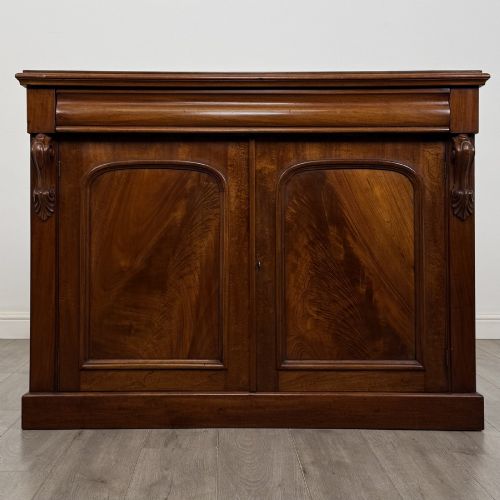
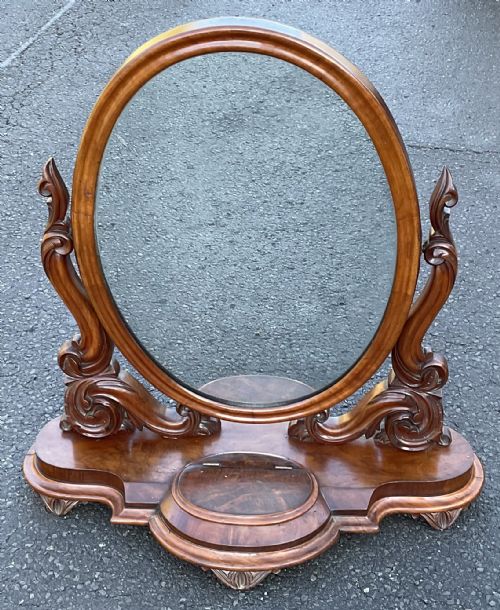
Carved detailing on pedestals, scroll feet, and mirror backs appeared on Victorian sideboards and pedestals, whilst marquetry inlay decorated 18th-century desks. Surface finishing preserved the natural depth and reddish-brown tone of the wood.
Mahogany Wood Pedestals Retail Price Guide 2026
Typical asking prices for mahogany wood pedestals among the pieces listed under this phrase on Sellingantiques today, from the lower quarter to the upper quarter. They describe what is for sale here now, not the wider market.
Some Victorian plant stands feature revolving tops, allowing delicate ferns to rotate evenly towards the drawing room sunlight without manual lifting.
What varies in quality
The selection of timber grain largely dictates visual merit, with figured mahogany and flame veneer marking out superior cabinet work against plain stock. The depth of hand-carving on pillar supports and table edges similarly separates standard production from high-grade workshop output.
Structural integrity depends on the original engineering of the pillar mechanisms, tilt-top actions, and the smooth movement of pedestal desk drawers. The integration of quality secondary metals like brass casters and mounts indicates thoroughness in construction.
Gillows·Ralph Turnbull·Bulstrode Cambridge
The Mahogany Wood Pedestals Glossary
- Flame mahogany veneer
- A figured wood veneer sliced from the branching point of the tree to create a distinctive flame-like pattern. Cabinet makers used this to add visual movement to table tops and drawer fronts.
- Tilt top table
- An occasional or dining table fitted with a catch mechanism that allows the top to pivot vertically. This design enabled tables to stand flat against walls when not in use.
- Tripod table
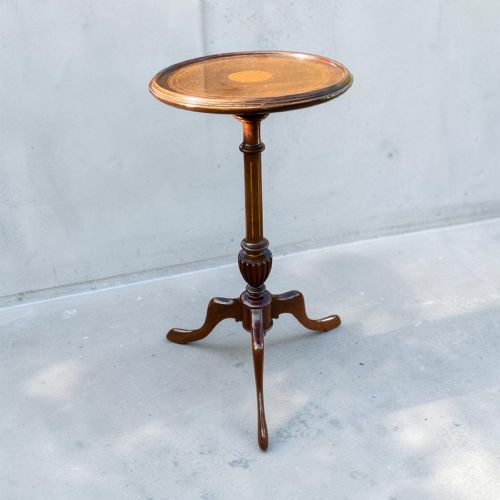
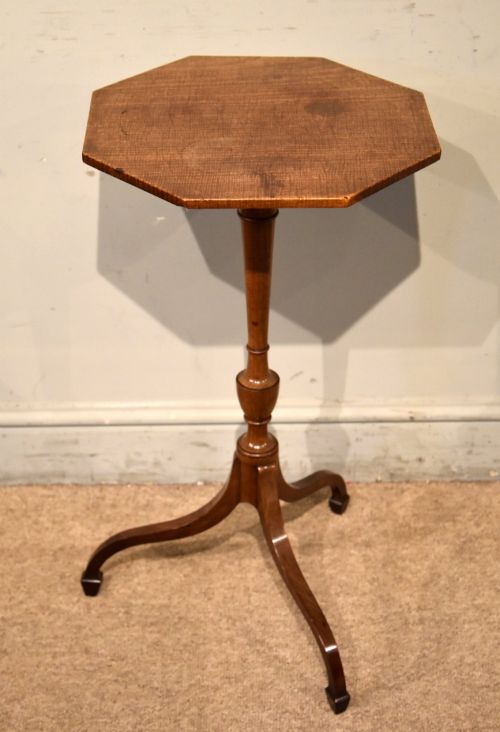
- A small table supported by a central pillar resting on three spreading feet. These pieces provided stable surfaces on uneven floors.
- Twin pedestal desk
- A large writing desk comprising two distinct pedestals of drawers supporting a central top. They offered substantial storage and workspace in studies and libraries.
- Satinwood
- A durable, yellowish timber utilised for contrasting stringing and inlay work. Makers deployed it to highlight the borders of mahogany surfaces.
Mahogany Wood Pedestals: Frequently Asked Questions
How do I identify a multi-pillar dining table?
Multi-pillar dining tables feature two, three, or four separate wooden pedestals resting on brass casters to support long extending leaves. These structures allowed large tables to be separated or shortened depending on the dining capacity required.
Examining the underside reveals the block joints and bearer mechanisms that connect the pillars to the removable leaves. Most examples date from the Georgian and Regency periods through to later Edwardian reproductions.
Where were tripod stands used?
Tripod stands functioned primarily as plant stands, candle stands, or small lamp tables in domestic drawing rooms and hallways. Their compact footprint made them suitable for corners and beside seating.
The three-legged design offered stability on historic uneven floorboards whilst keeping the central space clear of bulky wooden framing.
How do I care for polished mahogany surfaces?
Polished mahogany benefits from dusting with a soft, dry cloth and occasional application of traditional beeswax to nourish the timber grain. Direct sunlight and excessive heat sources should be avoided to prevent fading and splitting in the veneer.
Using coasters and placemats protects the polished finish from moisture rings and heat marks during daily use.
What is the difference between a wine table and an occasional table?
Wine tables are typically small, circular tripod pieces originally designed to hold glasses and bottles during evening gatherings. They feature modest proportions suited for placement beside armchairs.
Occasional tables encompass a broader category of flexible small tables utilised across various rooms for display or writing tasks.