

Mahogany Style Stand
Mahogany style stand furniture brings versatile dark timber forms into rooms through pieces spanning the eighteenth century to the Edwardian era.
Mahogany Style Stand
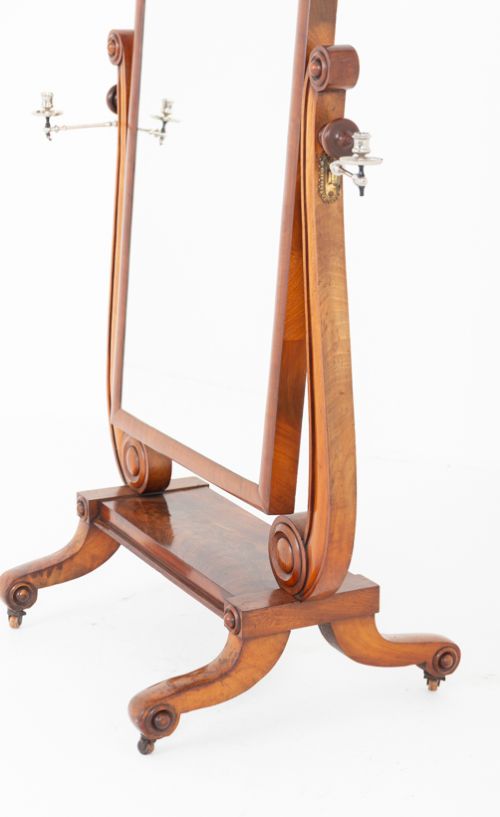
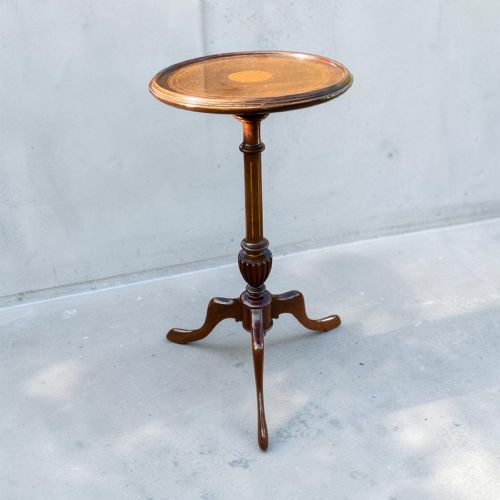
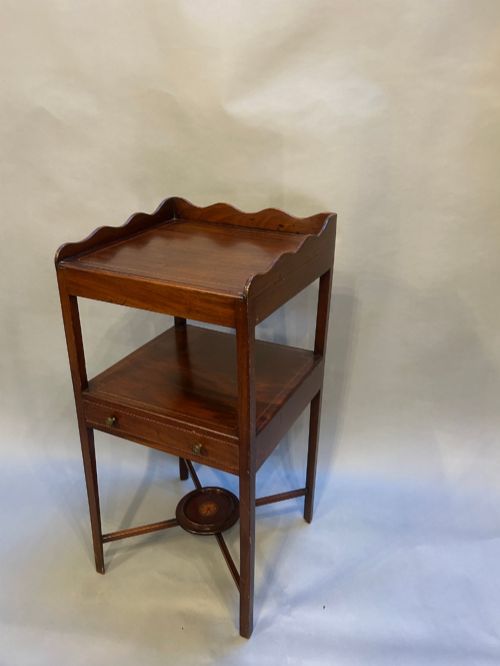
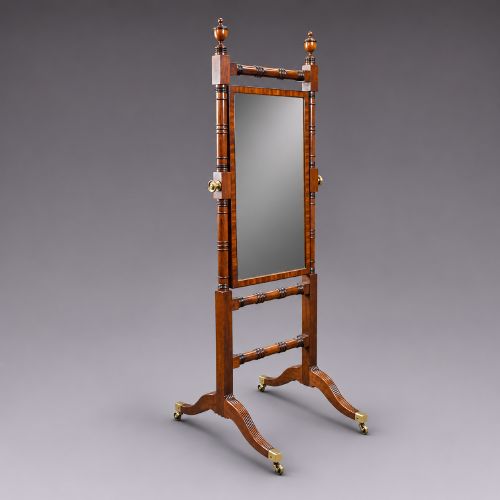
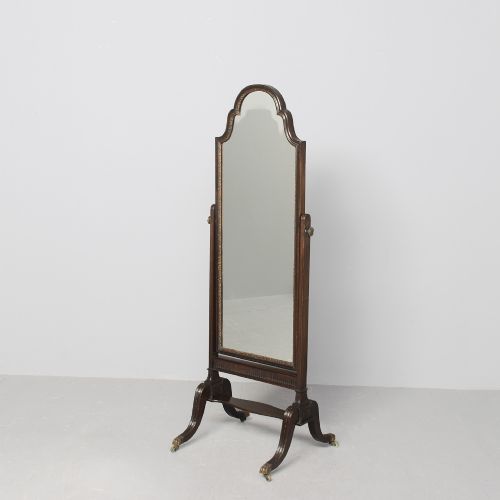
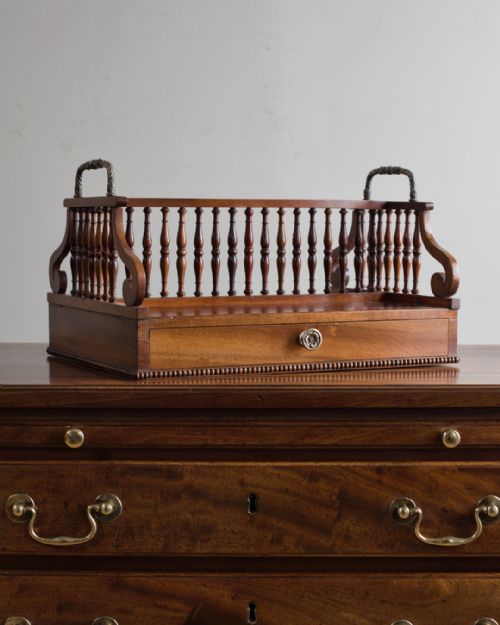
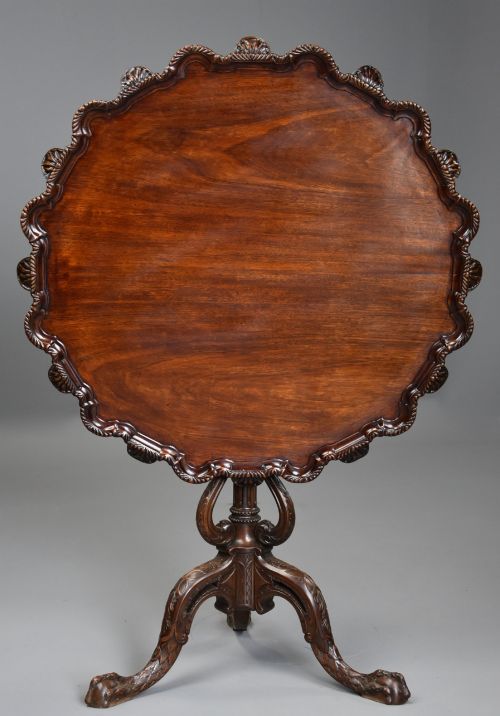
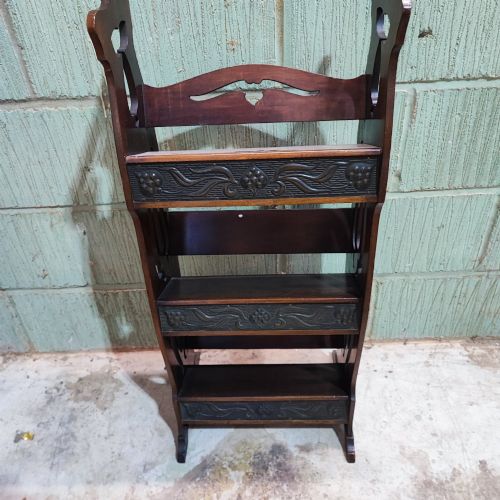
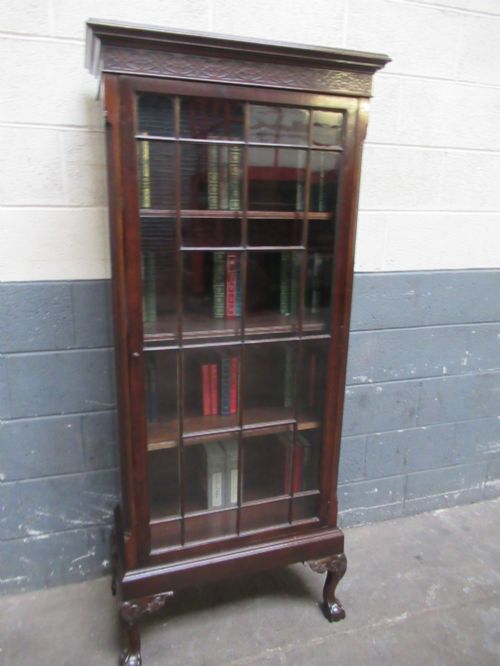
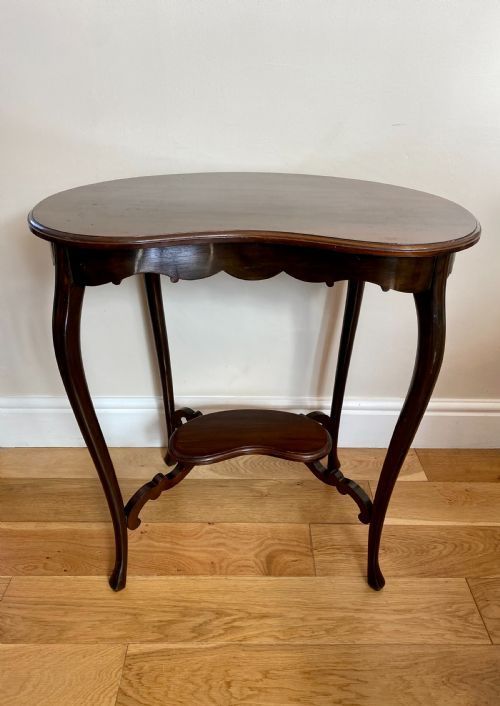
A mahogany style stand covers a diverse group of compact wooden furnishings, including tripod tables, kettle stands, and tall torcheres designed for practical display and support. These items emerge across the eighteenth, nineteenth, and twentieth centuries, taking distinct forms from small occasional tables to elevated plant and lamp holders.
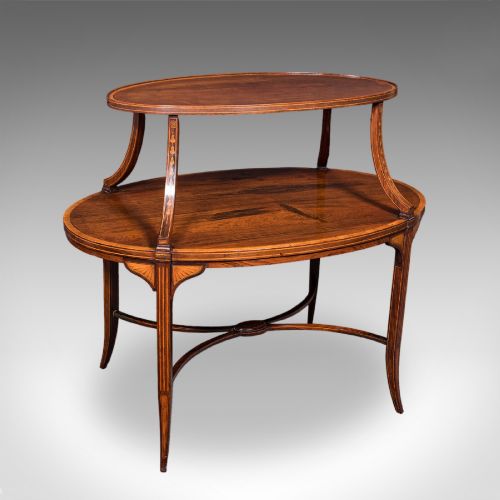
Buyers encountering this selection will frequently meet Edwardian and nineteenth-century interpretations alongside Georgian originals and later revivals. Common variations involve tripod bases, raised galleries, and multi-tiered structures intended to hold lamps, decorative objects, or tea wares in reception rooms and parlours.
The category extends beyond simple circular tables to incorporate occasional furniture featuring satinwood inlay, brass fittings, and carved tripod legs. Each surviving example demonstrates how domestic spaces utilised small portable timber surfaces for daily convenience.
How they were made
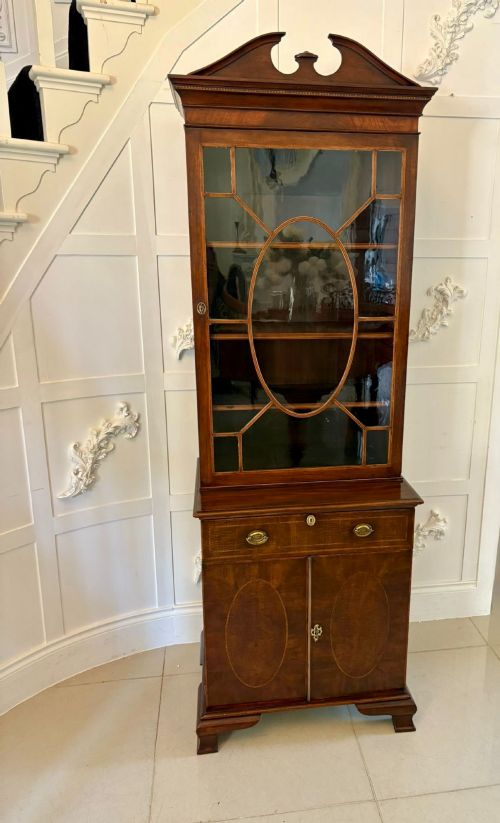
Cabinet makers utilised solid mahogany and figured veneers over supportive secondary timbers, often incorporating boxwood and satinwood inlay to create decorative contrasts on table tops and cabinet fronts. Structural stability relied on traditional joinery, turned central pillars, and tripod legs secured beneath round or shaped tops.
Surface ornamentation combined hand carving with parcel gilding, marquetry, and polished finishes that accentuated the deep red grain of the timber. Brass castors, hinges, and gallery rails appeared frequently on pieces requiring mobility or edge protection.
Mahogany Style Stand Retail Price Guide 2026
Typical asking prices for mahogany style stand among the pieces listed under this phrase on Sellingantiques today, from the lower quarter to the upper quarter. They describe what is for sale here now, not the wider market.
Listings feature mahogany stands spanning the eighteenth, nineteenth, and twentieth centuries, incorporating brass and satinwood elements.
What varies in quality
Quality rests upon the selection of timber figures, the crispness of carved details on tripod knees and borders, and the structural integrity of the central column. Superior examples display carefully matched grain patterns and precise inlay work rather than painted imitation.
The balance of the base and the weight of the timber dictate physical stability, particularly on tall torcheres and tilt-top tripod tables where slender legs must support a heavy top safely.
Waring and Gillow·GM Elwood for JS Henry
The Mahogany Style Stand Glossary
- Tripod table
- A small circular table supported by a central pillar resting on three spreading legs. This form allowed the top to tilt on a catch in many domestic examples.
- Kettle stand
- A small low table designed specifically to hold a hot water kettle near the tea table. These often feature raised galleries to prevent sliding.
- Torchere
- A tall decorative stand intended to support a lamp or candleholder. They frequently exhibit turned columns and carved pillar supports.
- Satinwood inlay
- Contrasting pale exotic wood inserted into recesses within mahogany surfaces to form decorative borders or geometric motifs. This technique became popular during the Sheraton Revival.
- Snap top table
- A table with a hinged top mechanism that locks flat for use or tips vertically against the central column when stored.
Mahogany Style Stand: Frequently Asked Questions
What is a mahogany style stand used for?
These compact stands served various domestic functions throughout historic interiors, primarily holding lamps, decorative porcelain, or tea equipment. Their portable nature allowed residents to move them easily beside seating areas as needed.
Today, they function effectively as lamp tables or display surfaces in living spaces and hallways. Their modest footprints make them practical for contemporary rooms requiring small accent surfaces.
How do I date a mahogany stand?
Dating relies on observing construction methods, timber characteristics, and stylistic markers such as carved legs, gallery edges, and inlay materials. Georgian pieces tend to show simpler, heavier structural proportions, while Edwardian revivals often incorporate lighter satinwood details.
Examining the underside of the top and the joinery of the central pillar provides further clues regarding age. Secondary timbers used inside the structure also help narrow down the period of manufacture.
Are tripod tables stable on modern floors?
Most tripod tables maintain good balance when placed on even surfaces, though three-legged designs can rock slightly on uneven antique floorboards. Adjusting placement helps achieve a secure footing.
The weight of the timber column and top generally keeps the piece grounded during normal daily use. Avoid placing heavy items near the extreme edges of smaller tilt-top variants.
What is the difference between a torchere and a kettle stand?
A torchere stands taller and was originally built to elevate a light source or candle above seated guests. Their vertical proportions emphasise slender turned columns and elevated platforms.
Kettle stands remain much lower to the ground, designed to sit adjacent to low tea tables or hearths. They frequently incorporate raised rims or galleries to secure vessels safely.