
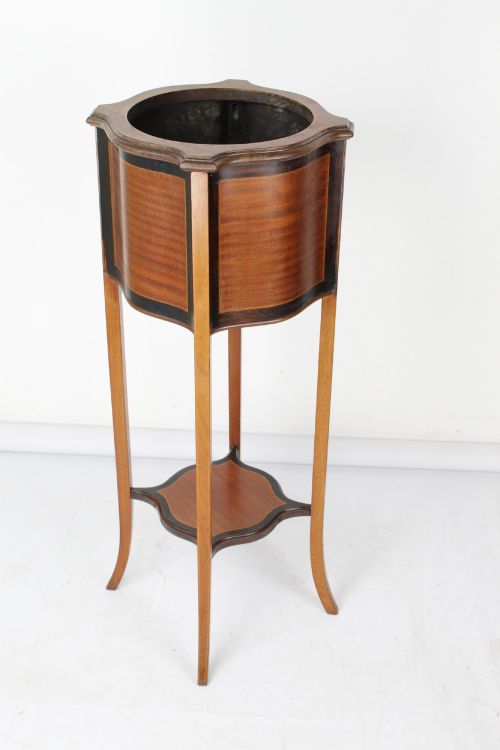
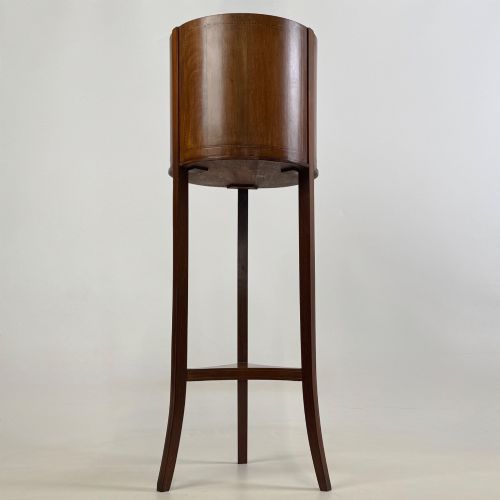
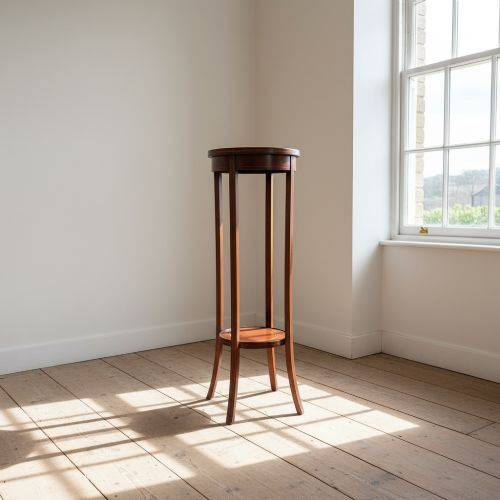
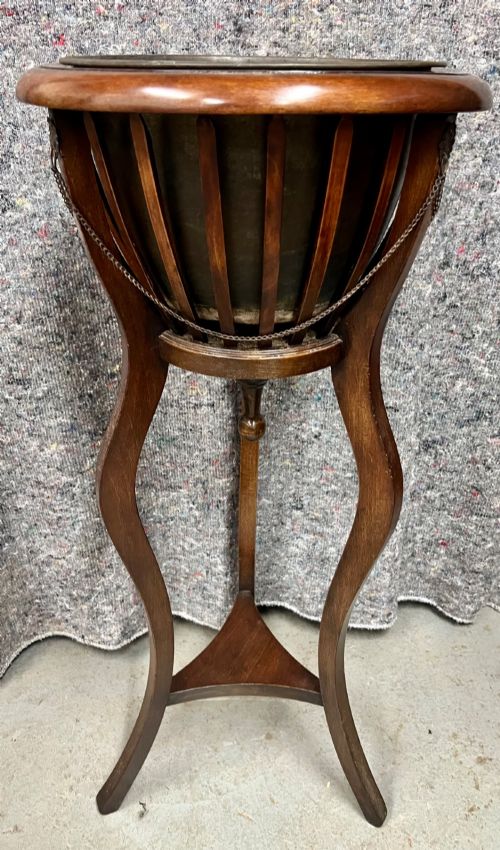
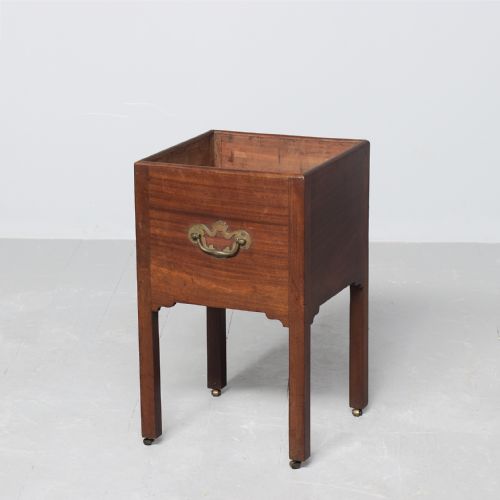
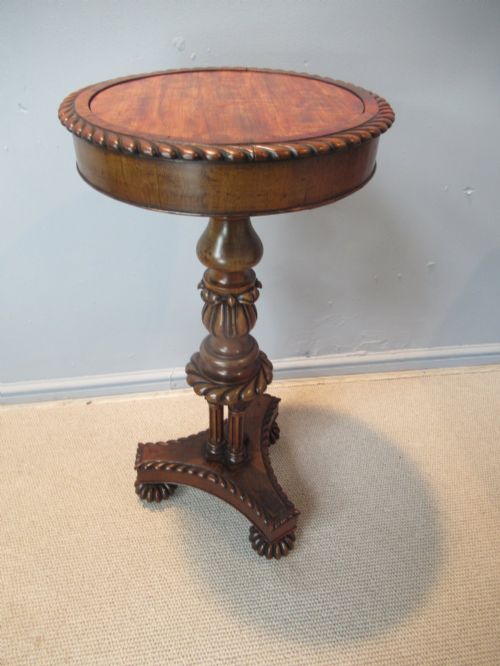


Mahogany Planter Pedestal
These mahogany planter pedestal pieces bring greenery indoors, offering solid timber forms designed to display plants with classic grace.
Mahogany Planter Pedestal
A mahogany planter pedestal serves as a raised stand for indoor flora, uniting utilitarian plant support with decorative display. When you search for this phrase, you meet forms that range from simple torchere plant stands to elaborate jardinieres.
The pieces on this page span several historical periods, most frequently appearing from the Georgian, Victorian, and Edwardian eras. Buyers encounter specialised vessels including wine coolers, peat buckets, and plant stands with inlaid or carved detail.
Origins vary from English workshops to Chinese export studios and Dutch Empire designs. These tall supports elevate greenery to eye level, framing botanical displays within domestic interiors.
Materials and construction
Cabinetmakers utilised primary timbers like mahogany, walnut, and hardwood, often enhancing surfaces with boxwood inlay, satinwood, or brass banding. Metal liners or iron elements frequently reinforced the vessels intended to hold damp soil and plants.
Joinery techniques combined traditional cabinetmaking with specialised turning and carving. Workshops shaped solid timber into slender pedestals, robust buckets, and panelled stands designed to bear weight securely.
Some tall stands doubled as knitting baskets when not holding flora, serving domestic tasks quietly in the parlour.
Evaluating craftsmanship and detail
Quality rests in the precision of the timber selection and the crispness of any carving or inlay work. Fine examples exhibit tight grain matching, secure joinery, and well-fitted interior liners.
Proportion and stability separate standard utility pieces from exceptional ones. The balance of the pedestal base against the weight of the top vessel determines the structural integrity of the stand.
The Mahogany Planter Pedestal Glossary
- Jardiniere
- An ornamental pot or stand for holding plants or flowers. These vessels often feature fitted metal liners to protect the surrounding woodwork.
- Torchere
- A tall, slender stand designed to support a lamp, vase, or plant. They provide elevated display space in room corners or beside seating.
- Campaign
- Furniture constructed for portability, often featuring recessed brass handles or knock-down framing. These pieces were originally built for travel.
- Pedestal
- A structural support or foot upon which a vase, statue, or planter rests. They lift displays to prominent heights within a room.
- Inlay
- A decorative technique where contrasting materials are inserted into recessed cavities on the wood surface. Boxwood and satinwood frequently create geometric or floral patterns.
Mahogany Planter Pedestal: Frequently Asked Questions
What is a mahogany planter pedestal used for?
These pieces elevate potted plants, flowers, or greenery to display them prominently within living spaces. Historically, similar vessels also functioned as wine coolers or peat buckets.
Their sturdy construction supports heavy planters while adding architectural interest to empty room corners or hallways.
How do I care for a antique mahogany stand?
Protect the timber surface from direct moisture by ensuring plant pots use effective saucers or waterproof liners. Regular dusting and occasional wax polish maintain the lustre of the wood.
Keep these stands away from direct heat sources and strong sunlight to prevent timber warping or fading over time.
How can I tell Georgian pieces from Edwardian ones?
Georgian stands typically date from the eighteenth or early nineteenth century, displaying heavier proportions and classical carved details. Edwardian examples often feature lighter framing, delicate boxwood inlay, and early twentieth-century manufacturing techniques.
Examining the underside, secondary woods, and joinery style helps confirm the manufacturing period.
Are these stands waterproof?
Original wooden buckets and jardinieres often incorporated metal liners or lead linings to contain damp soil and water. However, ageing materials may develop leaks over time.
Modern owners generally place a discreet plastic saucer inside the vessel to protect the historic timber base from moisture damage.