

Mahogany Plant Display
These mahogany plant display pieces elevate botanical specimens inside the home, uniting functional timber engineering with decorative classical form.
Mahogany Plant Display
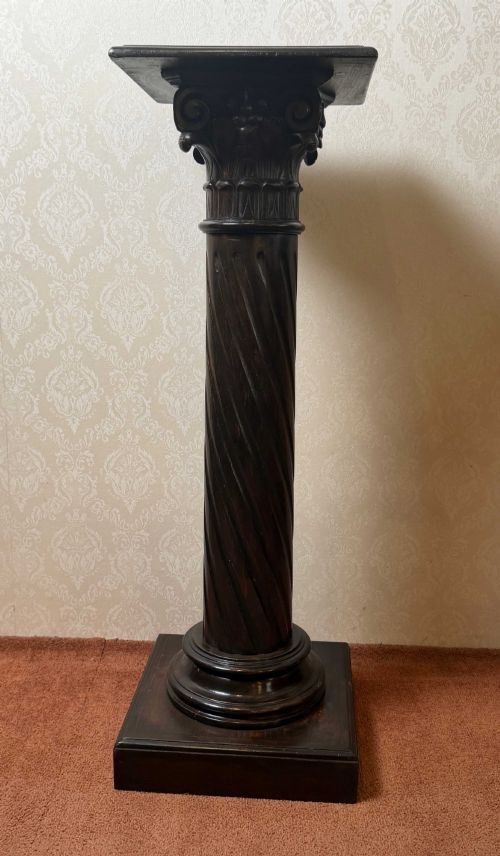
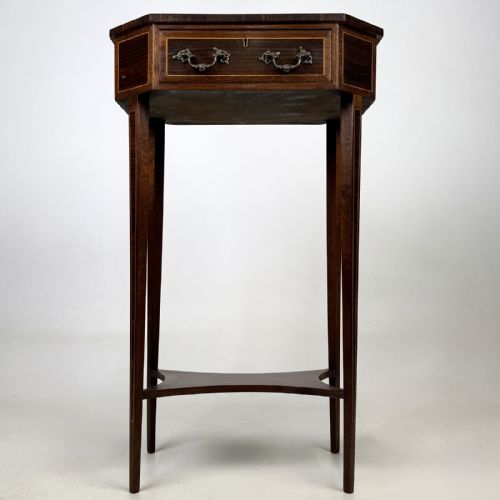
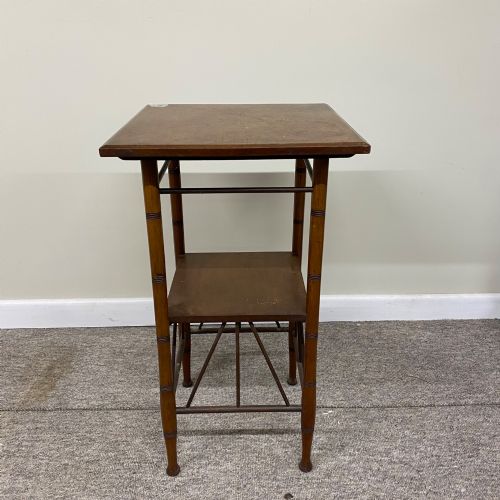
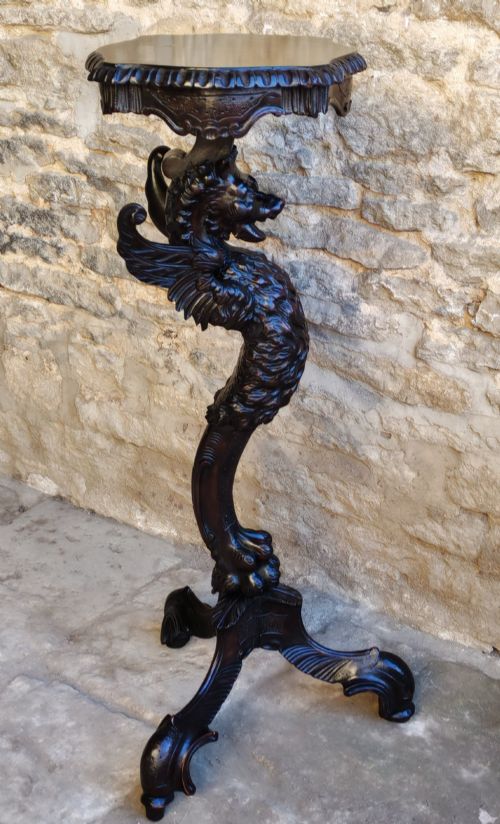
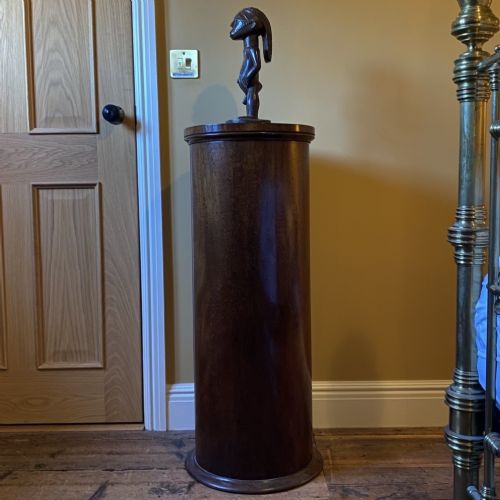
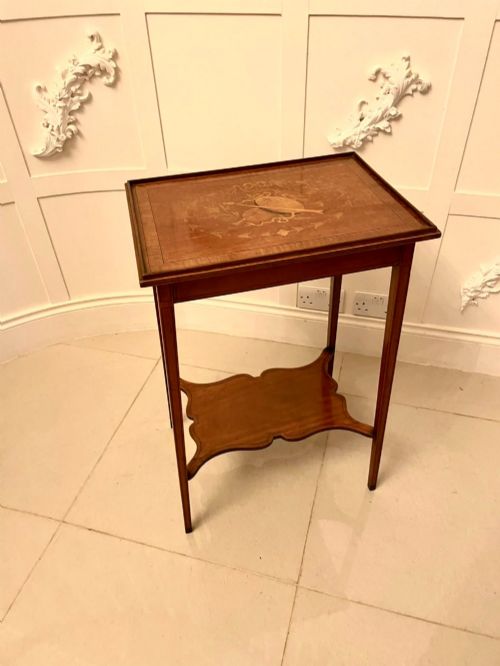
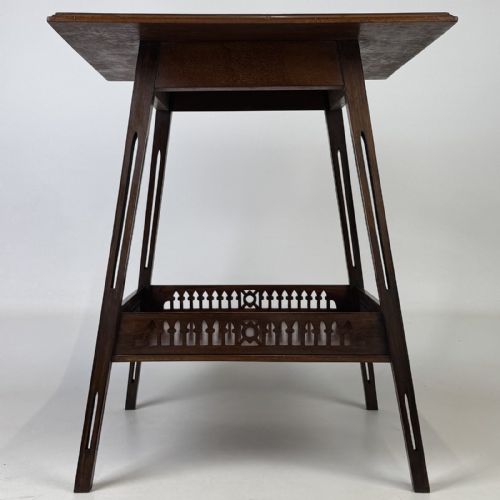
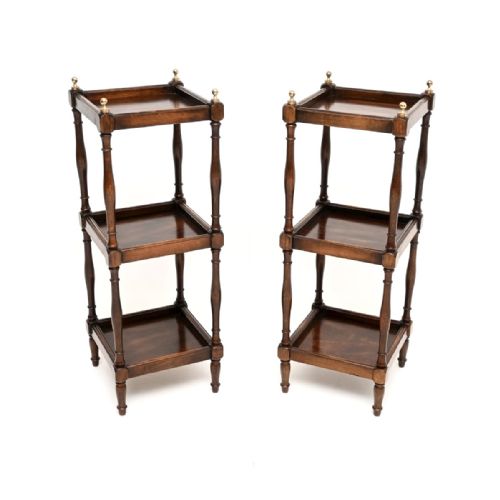
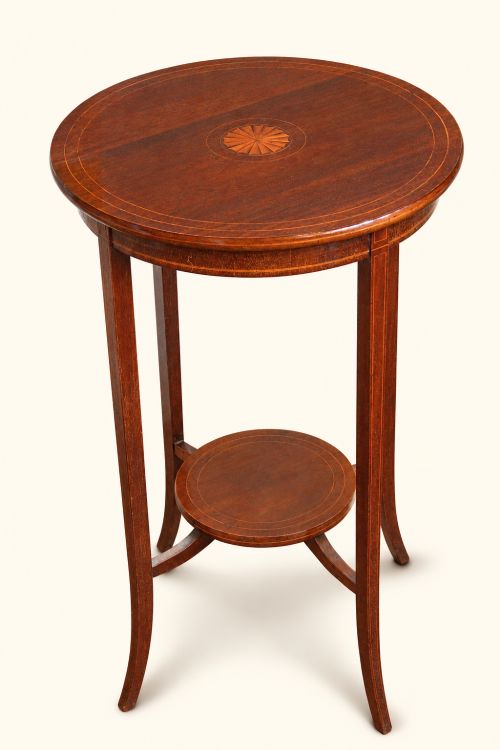
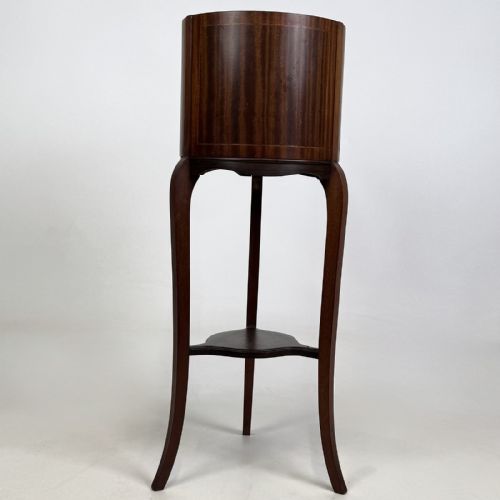
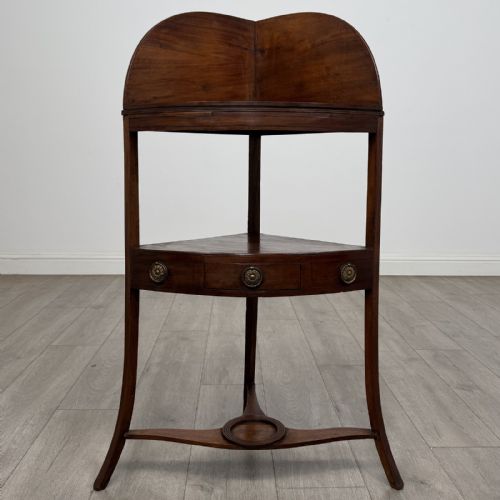
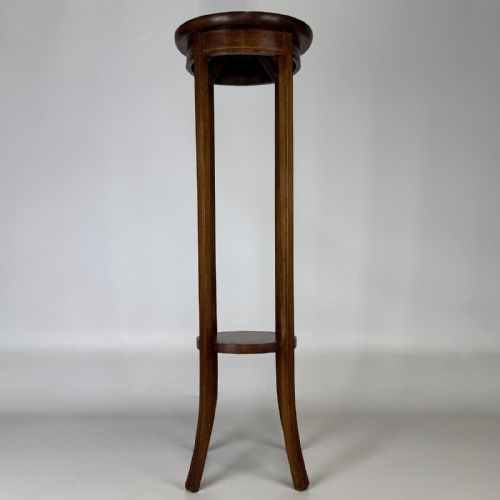
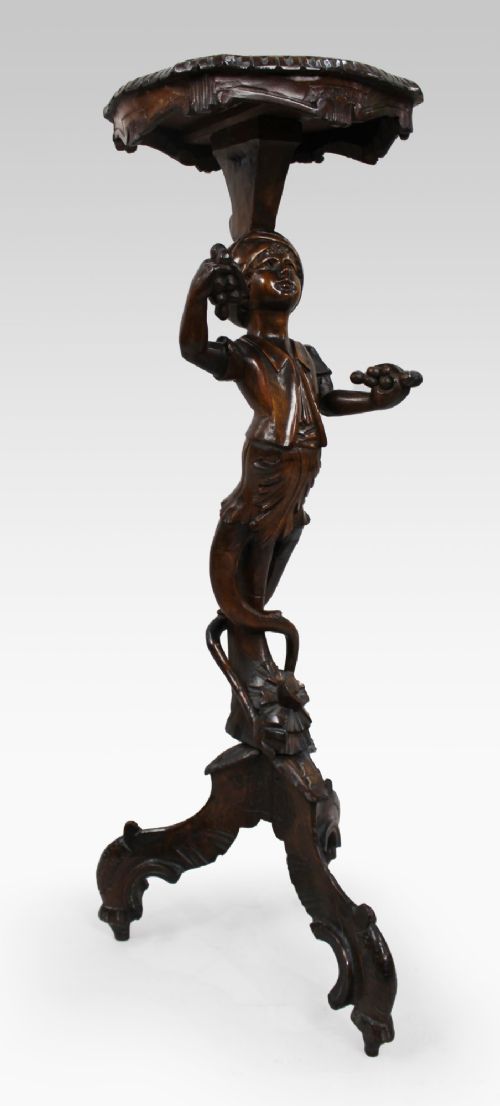
A mahogany plant display takes many structural shapes, appearing most frequently as slender torcheres, multi-tiered plant stands, occasional tables, and classical pedestals. These items originate across the nineteenth and early twentieth centuries, spanning Victorian, Edwardian, and Regency periods.
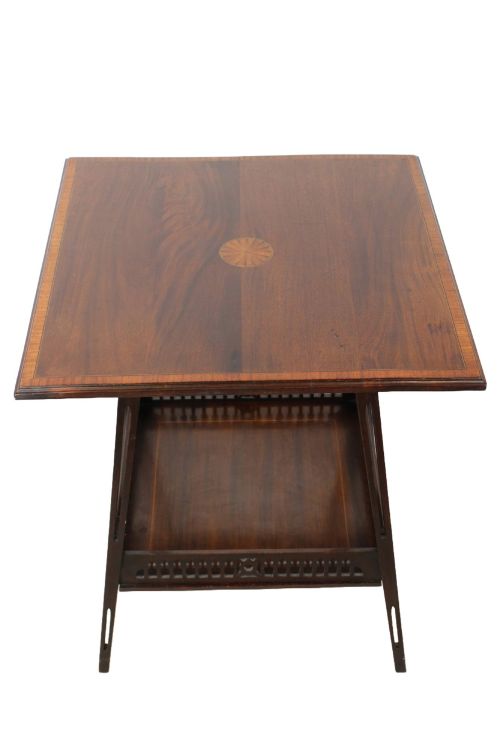
The selection ranges from simple turned columns and tripod bases to sophisticated corner stands and inlaid lamp tables. Makers utilised these varied silhouettes to support jardiniere bowls, lamps, and botanical displays in domestic interiors.
Materials and Technique
Construction relies heavily on solid mahogany and rich hardwoods, frequently augmented by contrasting satinwood, boxwood, and wood inlay. Artisans shaped these timbers using traditional joinery, turning, and carving techniques to achieve sturdy vertical supports.
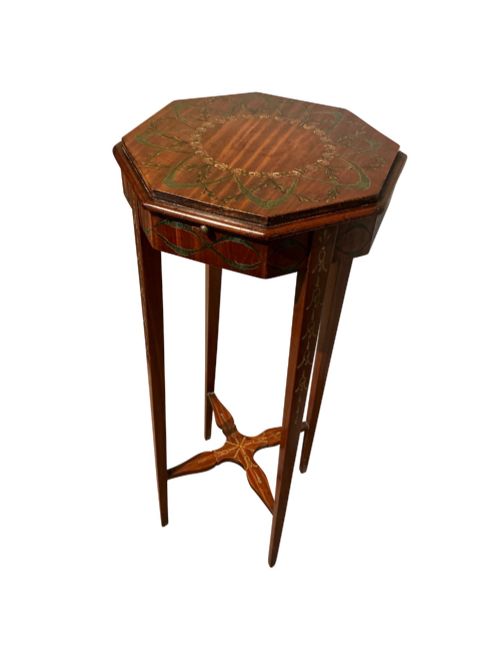
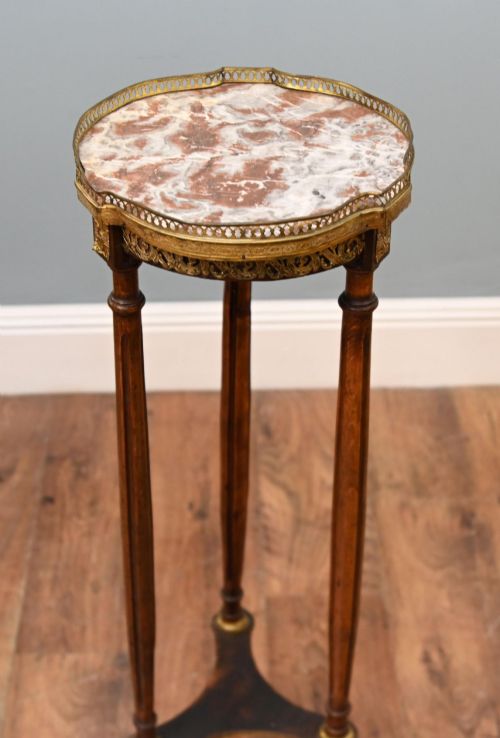
Many examples incorporate decorative details such as brass fittings, marble tops, and intricate fretwork galleries. Surface embellishments often involve delicate marquetry or classical bronze mounts influenced by French Empire and Sheraton Revival designs.
Mahogany Plant Display Retail Price Guide 2026
Typical asking prices for mahogany plant display among the pieces listed under this phrase on Sellingantiques today, from the lower quarter to the upper quarter. They describe what is for sale here now, not the wider market.
Several stands include clever adjustable mechanisms, proving that Victorians loved tinkering with the exact elevation of their ferns.
Judging the Workmanship
Quality rests in the crispness of the hand-carving and the precision of the timber inlay rather than mere age. Superior examples display balanced proportions, tight joinery, and finely figured mahogany grain that has matured evenly over decades.
Stability and weight distribution dictate the merit of taller pedestals and torcheres. Pieces retaining original brass mounts, unblemished marble surfaces, and intact structural elements demonstrate superior original manufacture.
Trevor Page & Co·George Smith·Thomas Hope
The Mahogany Plant Display Glossary
- Torchere
- A tall, slender stand designed specifically to support a lamp, urn, or plant display. These elevated pieces usually feature a circular top resting on a single column and tripod base.
- Jardiniere
- An ornamental pot or container for plants, which sits atop specialised stands or tables. They often require sturdy low shelves or recessed trays for support.
- Inlay
- A decorative technique where contrasting woods like satinwood or boxwood are embedded into the primary mahogany surface. This method creates geometric or floral patterns along tabletops and friezes.
- Pedestal
- A solid column or plinth used to elevate sculptural works, vases, or botanical specimens. They appear in square, round, and fluted column configurations.
- Tripod base
- A three-legged support structure commonly found on nineteenth-century plant stands and occasional tables. This configuration ensures stability on uneven floorboards.
Mahogany Plant Display: Frequently Asked Questions
What is a torchere stand used for?
A torchere stand serves to elevate decorative objects, lamps, or potted plants above floor level to catch the eye. They occupy minimal floor space while adding vertical interest to a corner or empty wall.
Historically, these tall supports carried heavy lighting or botanical displays in formal reception rooms. Today, they function similarly in domestic settings to highlight specific decorative pieces.
How do I distinguish Edwardian from Victorian pieces?
Victorian pieces tend to exhibit heavier carving, darker timber tones, and robust proportions. They often favour solid construction with dramatic turned columns and substantial tripod bases.
Edwardian items frequently display lighter mahogany surfaces, delicate satinwood inlay, and refined Sheraton Revival influences. The overall aesthetic shifts toward airier silhouettes and understated elegance.
Can these stands support heavy plants?
Solid mahogany torcheres and pedestals with wide tripod bases provide stable support for substantial ceramic pots and jardiniere arrangements. The structural integrity depends heavily on the tightness of the central column and leg joints.
One should inspect the underside connections and leg fixings before placing exceptionally heavy specimens atop antique tables. Most pieces were built to bear the weight of traditional indoor flora securely.
Where should I place a plant stand?
These pieces suit corners, hallways, and living spaces where a vertical element breaks up horizontal furniture lines. Placing them near natural light sources suits the botanical purpose of the stand.
Care should be taken to protect antique wood surfaces from moisture leaking through plant pots. Utilising saucers or protective liners preserves the polished mahogany finish over time.