






Mahogany Pedestal Unit
A mahogany pedestal unit brings warmth and architectural presence to a room, offering practical storage through timber framing.
Mahogany Pedestal Unit
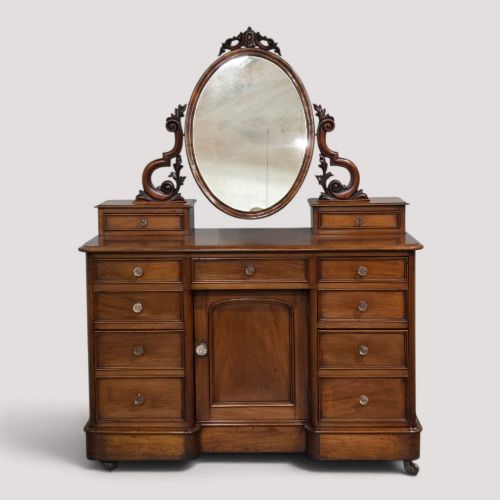
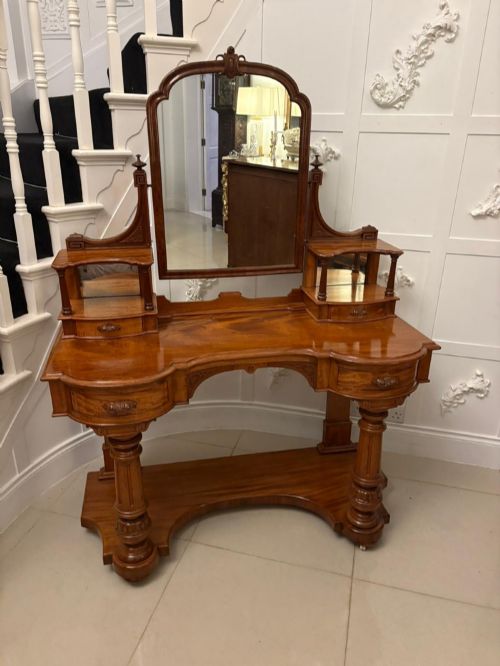
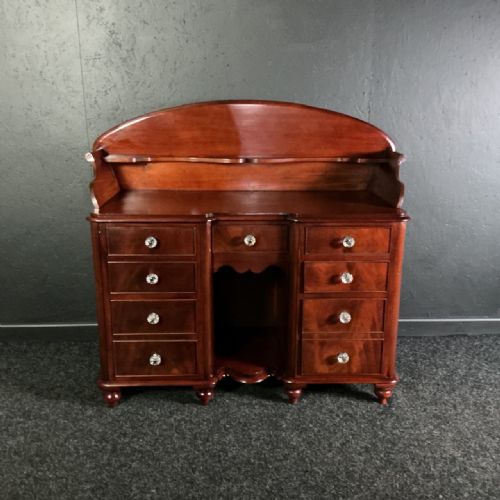
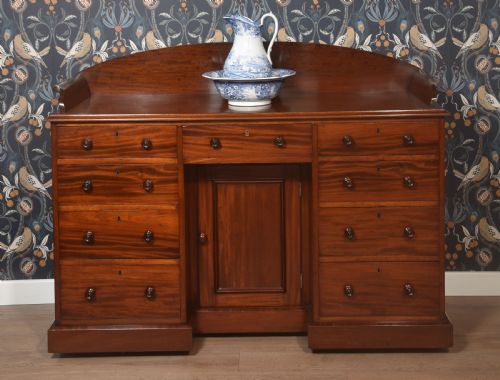
When you search for a mahogany pedestal unit, you are looking at substantial timber furniture designed for utility and display, encompassing dressing tables, washstands, bedside tables, and side cabinets. These pieces span the Victorian and Edwardian eras, emerging from nineteenth-century workshops where cabinetmakers utilised rich dark woods.
The versions most likely to meet you on this page are Victorian and Edwardian dressing tables and nightstands, often featuring pedestal configurations with flanking drawers or cupboards. They combine functional surfaces with timber framing, reflecting the domestic requirements of their respective periods.
Makers of the era utilised various forms, including kneehole dressing tables, shaving cupboards, and cheval mirror combinations alongside side cabinets. Each object demonstrates the period penchant for cellular storage and sturdy timber construction.
How they were made
Construction relies heavily on solid mahogany and mahogany veneers, occasionally supplemented by secondary timbers such as oak for drawer linings. Workshops shaped these materials into rigid carcases designed to withstand daily domestic use.
Decoration often includes satinwood inlay and marquetry, introducing lighter contrasting tones to the dark mahogany surfaces. Metal elements such as brass appear in hardware, while glass and mirror glass are integrated into dressing table frames and shaving cupboards.
Mahogany Pedestal Unit Retail Price Guide 2026
Typical asking prices for mahogany pedestal unit among the pieces listed under this phrase on Sellingantiques today, from the lower quarter to the upper quarter. They describe what is for sale here now, not the wider market.
Listings feature items spanning the Victorian, Edwardian, and Regency periods, constructed from mahogany, satinwood, oak, brass, and glass.
What varies in quality
The distinction between standard domestic items and finer pieces lies in the crispness of the timber selection and the precision of the inlay work. Finer examples display carefully matched grain patterns and restrained satinwood details rather than plain surfaces.
Cabinetmaking integrity separates robust survivors from lesser items, visible in the tightness of drawer joints and the stability of pedestal structures. The inclusion of secondary materials like gonçalo alvez or intricate marquetry elevates certain forms above utilitarian designs.
Edwards & Roberts
The Mahogany Pedestal Unit Glossary
- Mahogany
- A durable reddish-brown tropical hardwood prized for stability and deep grain patterns. It served as the primary timber for high-quality nineteenth-century cabinetmaking.
- Satinwood inlay
- A decorative technique inserting contrasting light-yellow timber pieces into recessed channels within the darker mahogany surface. This method creates geometric or floral borders.
- Pedestal dressing table
- A vanity unit featuring twin vertical banks of drawers supporting a central mirror and tabletop. It provides symmetrical storage flanking a kneehole space.
- Gonçalo alvez
- A dense exotic hardwood with distinctive figuring, occasionally utilised for accent timbers on nineteenth-century side cabinets. It offers a striking contrast to standard mahogany.
Mahogany Pedestal Unit: Frequently Asked Questions
What periods do these pieces date from?
The pieces span the nineteenth and early twentieth centuries, primarily representing Victorian and Edwardian design aesthetics. You will encounter items marked by the distinct cabinetmaking traits of those eras.
Dates range from mid nineteenth-century examples around eighteen-fifty through to nineteen-ten Edwardian pieces, showing a steady evolution in domestic furniture forms.
What wood types are used?
Mahogany forms the principal structural and visual material across the selection, often complemented by satinwood for inlay details. Oak frequently appears in internal components like drawer linings.
More unusual items incorporate exotic woods such as gonçalo alvez, alongside functional additions of brass hardware, mirror glass, and standard glass panels.
Where were these pieces used?
These units served primarily in domestic bedrooms and dressing rooms for personal grooming, washing, and garment storage. Washstands and shaving cupboards accommodated morning hygiene routines.
Side cabinets and nightstands functioned as bedside or parlour storage, holding lighting, books, and personal items within easy reach of the bed or seating.