

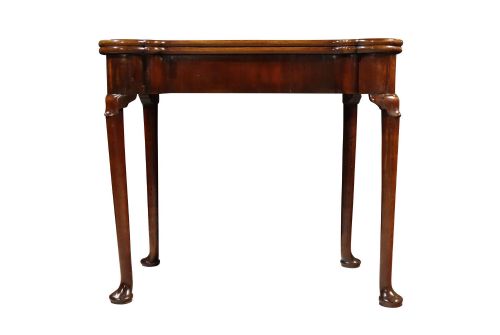


Mahogany Fold Out Table
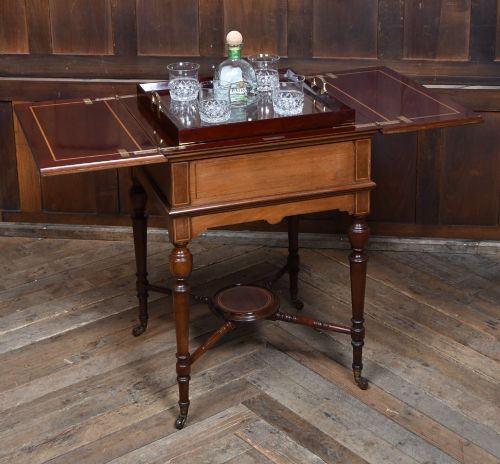
A mahogany fold out table turns a compact console into a surface for cards, tea, or writing with a simple movement of the top.
Mahogany Fold Out Table
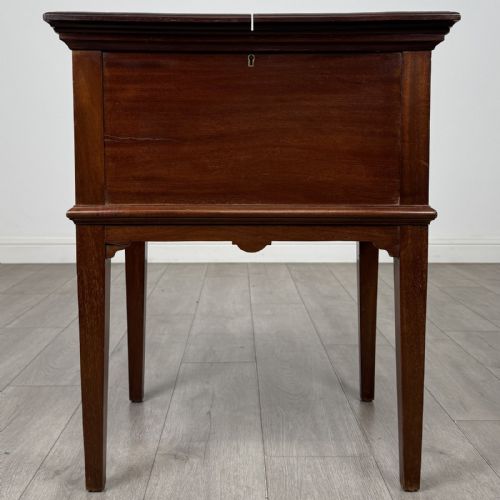
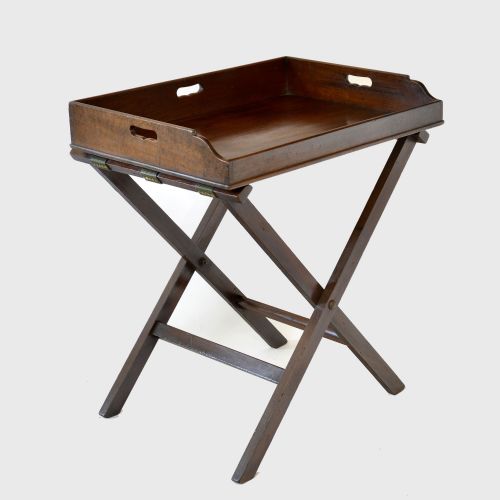
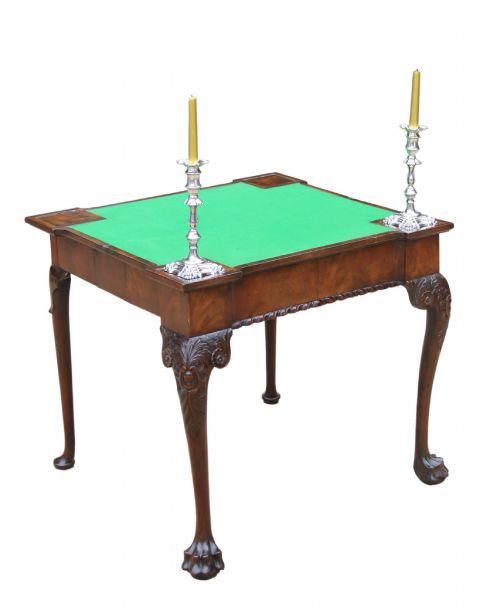
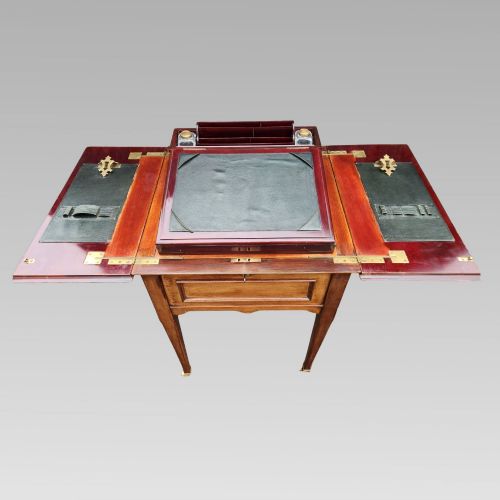
A mahogany fold out table is a flexible piece of furniture designed to expand when needed and sit flat against a wall otherwise. The selections here include card tables, games tables, tea tables, and writing desks originating across the eighteenth, nineteenth, and early twentieth centuries.
Georgian and eighteenth century examples often feature concertina actions or swing-out legs to support the pivoting leaf. Edwardian pieces tend towards envelope folding mechanisms or multi-functional designs that lift and slide with minimal effort.
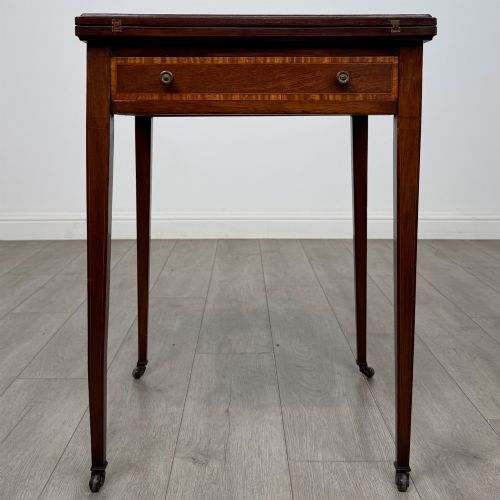
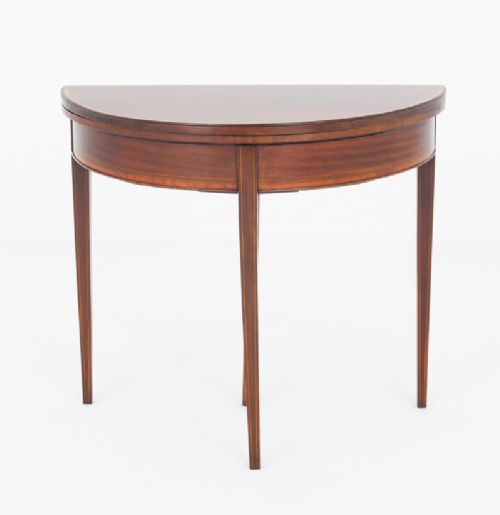
The forms span semi-circular demi-lune shapes, rectangular tea tables, and square envelope tops. Makers from the Georgian period through the Edwardian era utilised these clever folding formats to maximise space in formal reception rooms.
Materials and construction
Solid mahogany and Cuban mahogany form the primary structure of these tables, frequently paired with secondary timbers. Cabinetmakers selected dense grain for stability, ensuring the folding leaves aligned evenly when closed.
Inlays of satinwood, boxwood, and brass hardware provide contrast and mechanical support. Many surfaces retain their original baize or leather playing cloths inside the folding compartments, bordered by polished wood.
Mahogany Fold Out Table Retail Price Guide 2026
Typical asking prices for mahogany fold out table among the pieces listed under this phrase on Sellingantiques today, from the lower quarter to the upper quarter. They describe what is for sale here now, not the wider market.
The listings span the eighteenth, nineteenth, and twentieth centuries, incorporating Georgian, Regency, and Edwardian periods with mahogany, satinwood, and brass.
Judging quality
Quality rests in the precision of the hinges, concertina frames, and pivoting joints that bear the weight of the open leaf. Superior examples maintain a completely level surface across the joint without sagging or rocking on the legs.
The depth of colour in the mahogany timber and the crispness of any boxwood or satinwood inlay dictate the visual standing of the piece. Subtle details like dished gaming wells or fluted legs elevate a standard folding table into finer cabinet work.
The Mahogany Fold Out Table Glossary
- Demi-lune
- A half-moon shape used for table tops that fit flat against a wall when folded. This format is common in eighteenth century tea and card tables.
- Concertina action
- An expanding framework that stretches outwards as the rear legs move, supporting the open leaf of a table evenly. This mechanism is typical of better quality mid-eighteenth century pieces.
- Envelope card table
- A square table with four triangular flaps that fold inward and overlap like an envelope to cover the surface. Edwardian makers produced these with revolving tops.
- Baize
- A coarse woolen material used to line the playing surfaces of card and games tables. It provides a soft texture for handling cards.
- Dished gaming wells
- Circular depressions carved into the corners of a card table top to hold counters or coins. They appear on specific George II and Georgian designs.
Mahogany Fold Out Table: Frequently Asked Questions
How do you open a concertina table?
The top leaf pivots on hinges while the rear frame pulls outward like an expanding accordion to support the overhang. This action requires lifting the top slightly so the framework clears the inner alignment.
Once the support is fully extended, the folded leaf lowers gently onto the frame to create a stable, doubled surface.
What were folding tables used for?
These pieces served multiple domestic functions in period homes where rooms needed to adapt quickly between day and evening use. They functioned as side consoles or pier tables during the day before opening for tea service or card games.
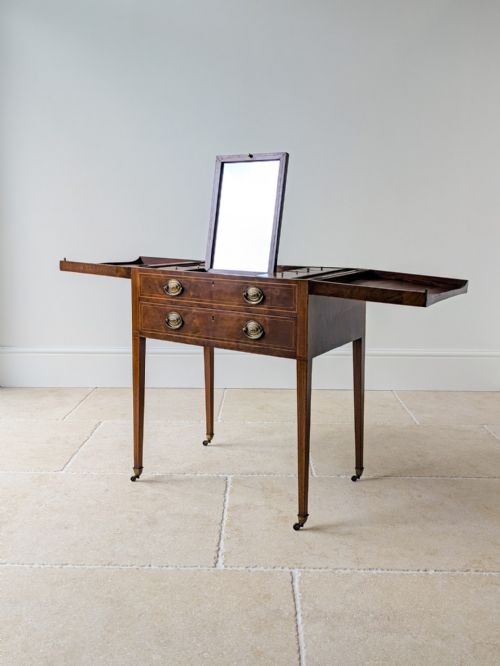
Some variations also incorporated compartments for writing materials or dressing accessories, acting as versatile multi-tasking furniture.
How do I tell an 18th century table from an Edwardian copy?
Eighteenth century examples rely on hand-cut dovetails, timber shrinkage patterns, and traditional cabinet-making joints such as concertina actions. The mahogany often shows deeper patination and rich grain variations developed over centuries.
Edwardian pieces tend to use standardised machine-cut elements, lighter interior framing, and different hinge hardware, reflecting the revival styles of 1900.
Can I use a card table for daily dining?
Most folding tables have relatively slender legs and mechanical joints that are not engineered to withstand heavy downward pressure or frequent daily meals. The concertina frames and swing legs support the light weight of cards or tea sets rather than heavy dishware.
Gentle daily use as a side table or occasional desk suits their construction better than heavy family dining.