




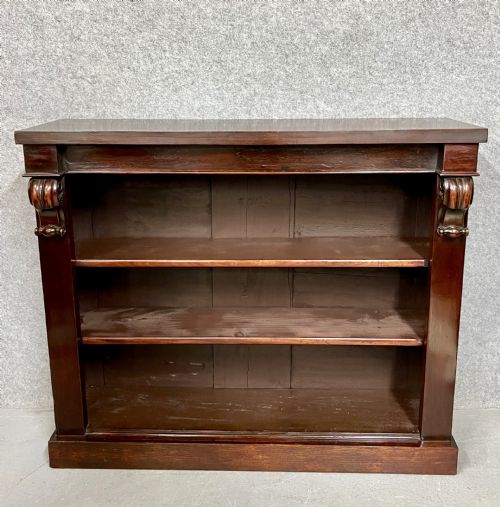
Mahogany Corbels
Mahogany corbels are architectural supports designed to bear weight while adding architectural definition to interiors.
Mahogany Corbels
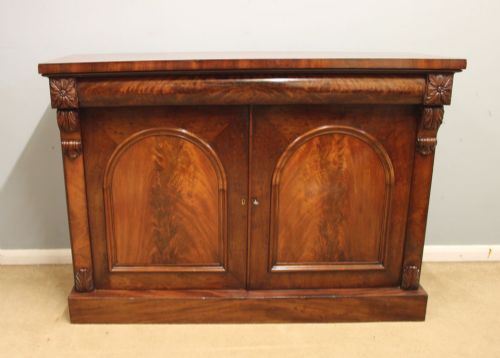
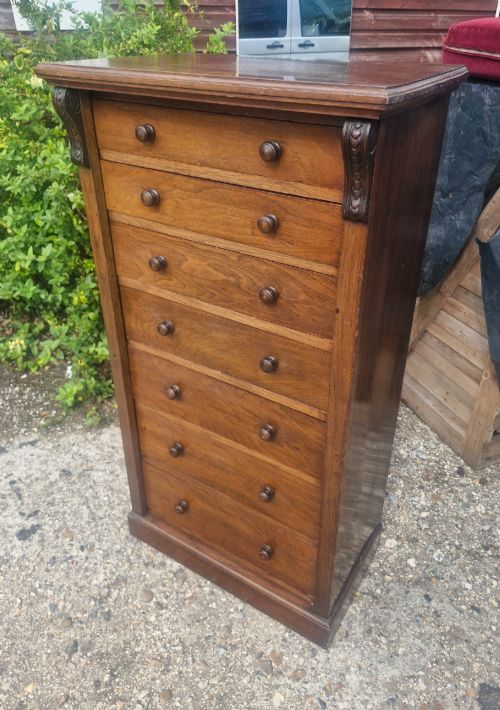
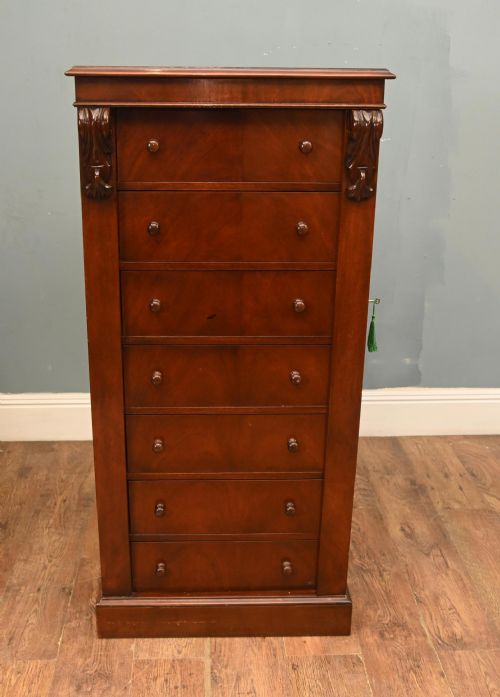
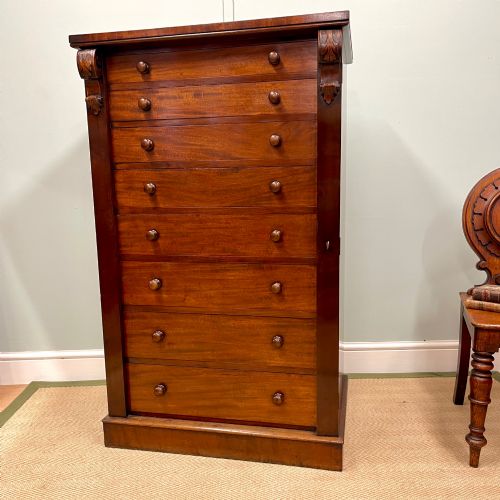
The items listed within this category frequently manifest as carved red walnut corbel wall brackets or clock wall brackets. These timber supports serve both structural and ornamental functions within period interiors, often accompanying bookcases, cabinets, and shelving units.
How they were made
These pieces are constructed from dense timbers, most notably mahogany and red walnut, alongside other hardwoods and occasional exotic woods like goncalo alves. Artisans utilised hand-carving techniques to shape the solid wood into scrolls, brackets, and classical architectural profiles.
Joinery and surface finishing relied on traditional woodworking methods typical of the nineteenth century. Timber selection prioritized rich grain patterns and deep natural colouration, enhanced through polishing rather than heavy pigmentation.
Mahogany Corbels Retail Price Guide 2026
Typical asking prices for mahogany corbels among the pieces listed under this phrase on Sellingantiques today, from the lower quarter to the upper quarter. They describe what is for sale here now, not the wider market.
Some brackets double as housing for clocks, proving that even a humble wall support occasionally likes to tell the time.
What varies in quality
The distinction between ordinary and superior examples rests upon the crispness of the hand-carved detail and the depth of the timber's grain. Superior pieces display sharply defined scrolls and foliate motifs that show no softening from wear or over-finishing.
Material selection also dictates standard, with denser hardwoods and well-figured mahogany commanding greater appreciation. The integrity of the original construction and the preservation of the timber surface remain central to the overall execution.
The Mahogany Corbels Glossary
- Corbel
- A structural piece of stone, wood, or metal jutting from a wall to carry a superincumbent weight. In timber, these are frequently carved into scrolls or brackets.
- Victorian
- Pertaining to the reign of Queen Victoria from eighteen thirty-seven to nineteen oh one. Pieces from this era reflect diverse revival styles and industrial-age craftsmanship.
- William IV
- Pertaining to the British regnal period between eighteen thirty এবং eighteen thirty-seven. Furniture and architectural elements from this transition era often display robust classical proportions.
- Hardwood
- Timber from broad-leaved angiosperm trees, typically denser and heavier than softwood. Mahogany and walnut are prime examples utilised for decorative architectural elements.
Mahogany Corbels: Frequently Asked Questions
How do I identify a Victorian corbel?
Victorian pieces typically display the dense timbers, deep colouration, and robust carving styles characteristic of the nineteenth century.
Reference to specific Victorian or nineteenth-century construction methods often helps confirm the period of origin.
Are these brackets made of solid mahogany?
The evidence shows items constructed from mahogany, red walnut, and other nineteenth-century hardwoods. Individual pieces may utilise solid timber or specific matching secondary woods depending on their form.
Checking the grain pattern and weight provides insight into the specific material composition.
How should I clean mahogany corbels?
Maintenance requires gentle dusting with a soft cloth to protect the historic timber surface and carved details. Avoid modern silicone-based polishes that can build up and dull the grain over time.
Applying traditional wax occasionally helps preserve the natural lustre of the hardwood.