




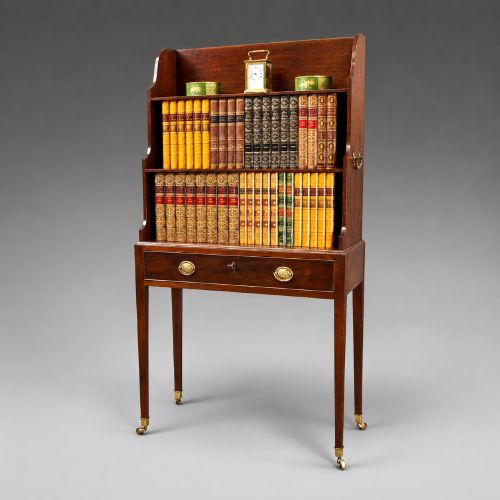
Mahogany Cabinet Unit
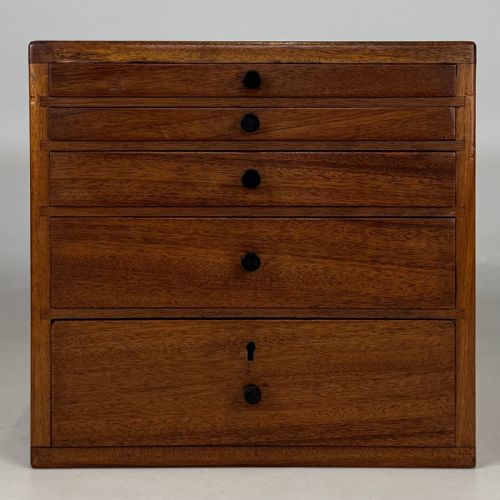
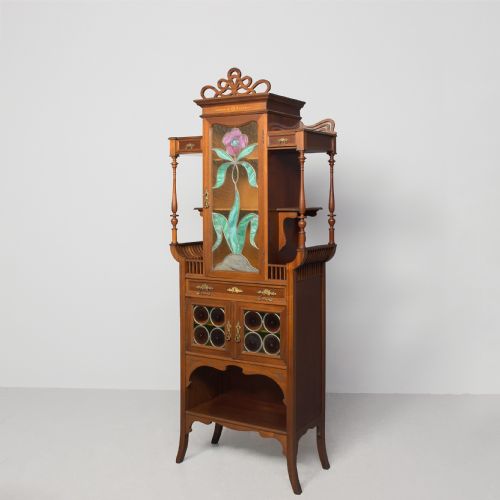
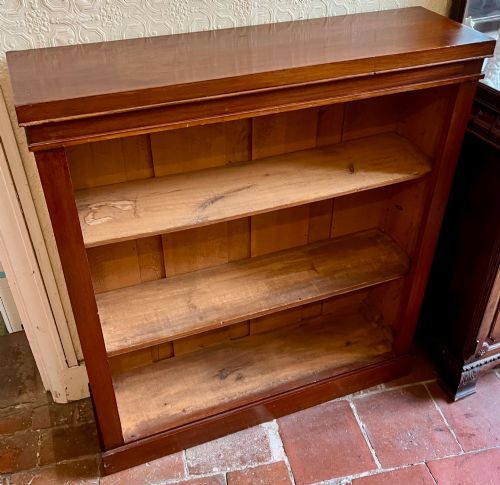
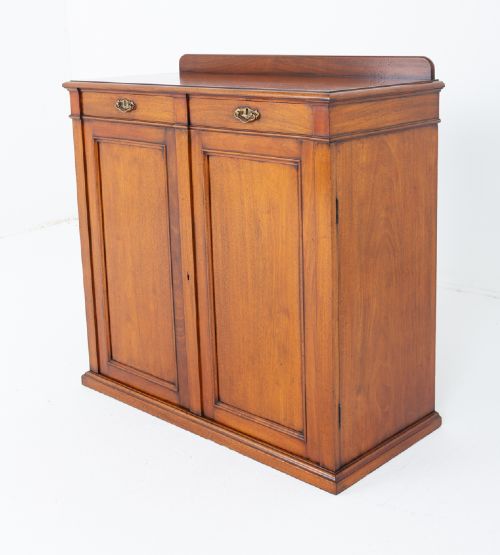
These mahogany cabinet unit examples bring together timber, glass and brass in forms built for books, display and storage across multiple periods.
Mahogany Cabinet Unit
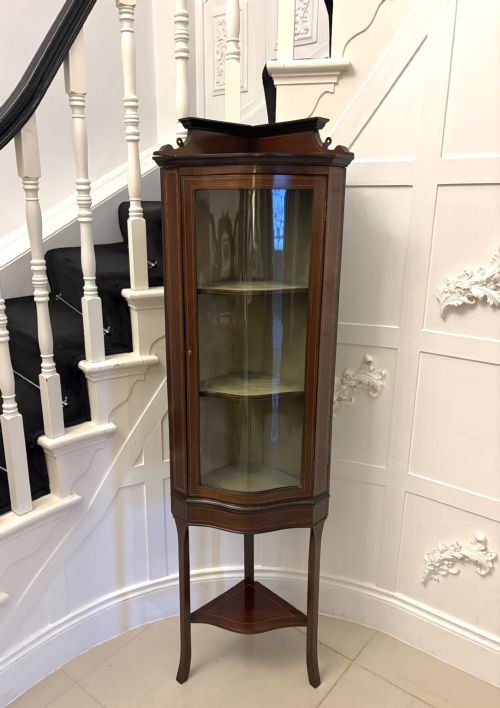
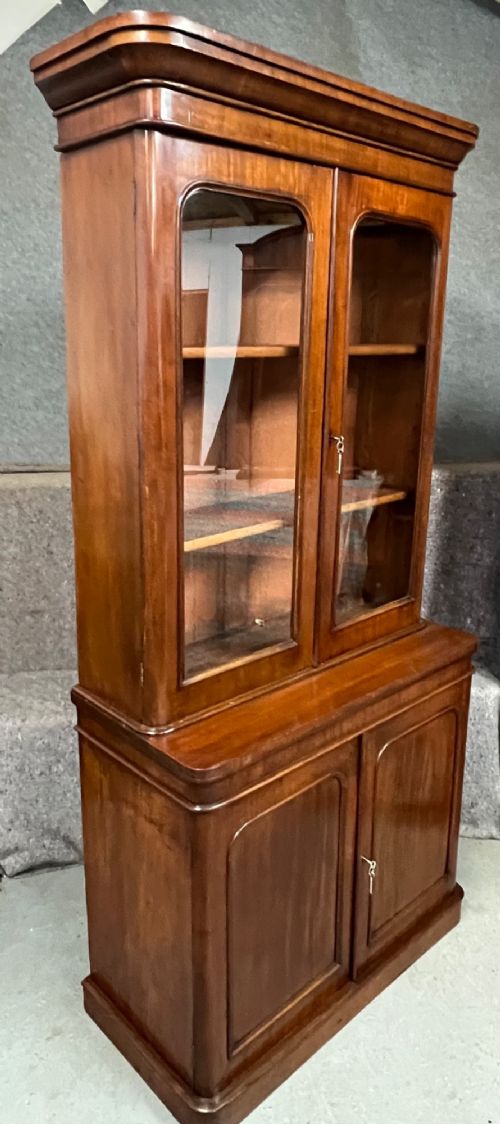
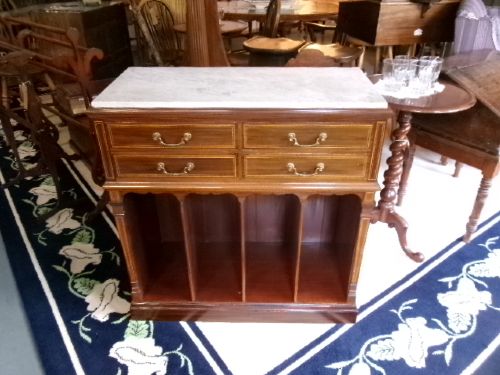
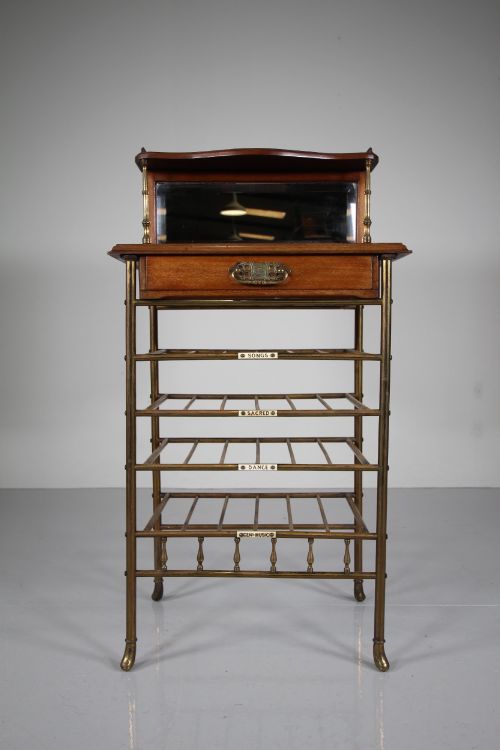
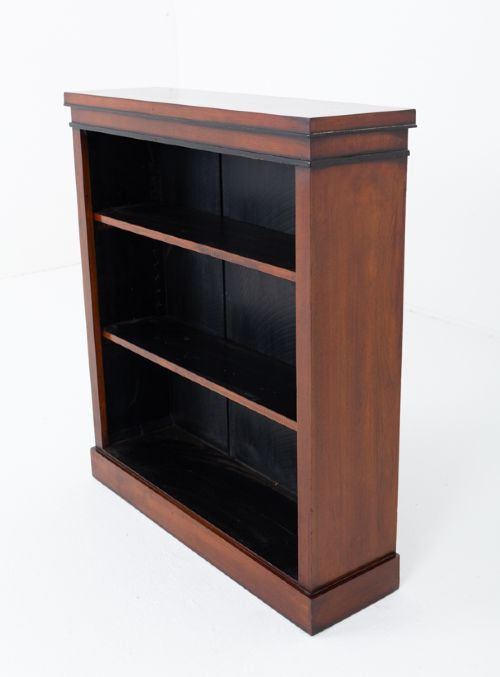
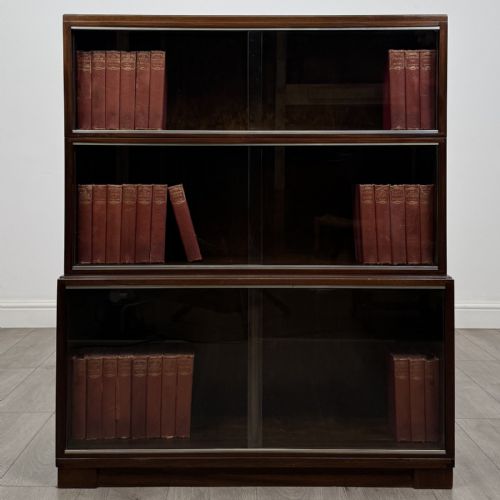
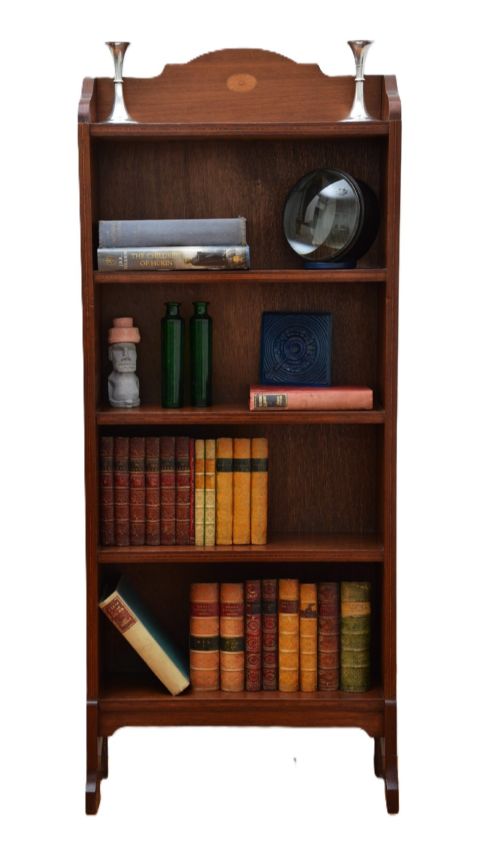
A mahogany cabinet unit covers a broad group of functional wooden furniture designed to house books, display objects or store household items. When searching for a mahogany cabinet unit, buyers encounter everything from tall open bookcases and glazed display cabinets to corner cupboards and miniature chests.
The selections span the Georgian, Victorian, Edwardian and early twentieth-century periods. Open bookcases and corner cabinets dominate the available forms, alongside specialised pieces such as waterfall bookcases, Wellington chests and shop display cabinets.
Earlier Georgian pieces emphasise solid timber and formal proportion, while later Victorian and Edwardian examples frequently incorporate satinwood inlay, glass panels and brass hardware. Buyers select these units to integrate period character into modern rooms while maintaining practical storage capacity.
What varies in quality
Quality rests upon the selection of the timber, particularly the grain figure in flame mahogany veneers and the crispness of any inlaid satinwood decoration. Cabinets exhibiting balanced proportions, well-figured wood and fine joinery sit clearly apart from plainer utility items.
Hardware and secondary materials also dictate overall standard, from cast brass castors and working locks with keys to the weight and clarity of the glass used in display doors. Superior pieces maintain original internal fittings, such as adjustable shelves and intact backboards.
Mahogany Cabinet Unit Retail Price Guide 2026
Typical asking prices for mahogany cabinet unit among the pieces listed under this phrase on Sellingantiques today, from the lower quarter to the upper quarter. They describe what is for sale here now, not the wider market.
Listings feature mahogany, satinwood inlay, brass hardware and glass across periods from the Georgian era to 1920.
F. Sage & Co
The Mahogany Cabinet Unit Glossary
- Astragal
- The narrow wooden moulding that divides individual panes of glass within a glazed cabinet door. These strips secure the glass while adding a decorative grid pattern.
- Waterfall bookcase
- A tiered shelving unit where each successive shelf steps back from the one below it. This form creates a cascading profile popular in the nineteenth century.
- Bow front
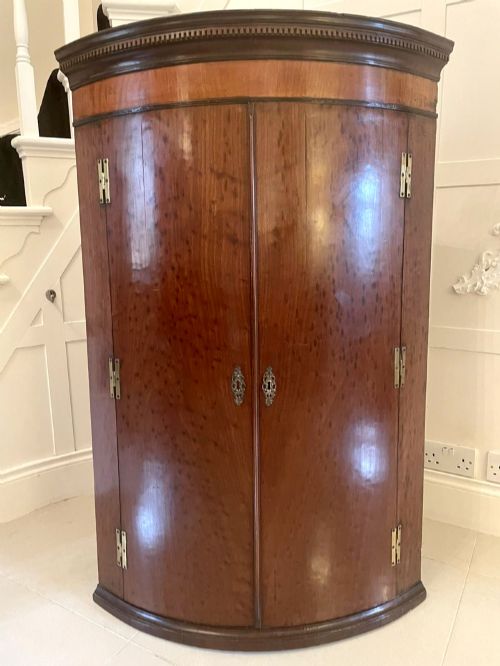
- A convex curved cabinet front that swells outward in the centre. This curved profile requires skilled timber shaping and veneer work.
- Satinwood inlay
- Contrasting blonde timber inserted into recesses within the darker mahogany surface. This technique creates geometric borders, swags or floral motifs.
- Wellington chest
- A tall, narrow chest of drawers secured by a hinged vertical locking sidebar on one side. The design locks all drawers simultaneously with a single key.
Mahogany Cabinet Unit: Frequently Asked Questions
How do I date a mahogany cabinet unit?
Dating relies on observing construction methods, timber choice and stylistic details such as bracket feet, plinths or inlay patterns. Georgian pieces typically show heavier timber and hand-cut joinery, whereas Edwardian examples often feature lighter framing and satinwood decoration.
Hardware and backboards also provide clues, as machine-sawn elements and specific screw types point toward later nineteenth and twentieth-century production.
Are shelves in these bookcases adjustable?
Many open bookcases and display units feature adjustable shelving supported by wooden ratchets, metal pins or modern tracks. This adaptability allows owners to alter shelf heights for varying book sizes and display objects.
Earlier pieces occasionally feature fixed shelves secured directly into the cabinet sides during original construction.
How should I care for mahogany furniture?
Maintenance involves keeping wooden surfaces away from direct heat sources and strong sunlight to prevent timber warping and veneer cracking. Regular dusting with a soft, dry cloth preserves the polished finish without the need for heavy silicones.
Applying a traditional beeswax polish occasionally helps nourish the timber and maintain its natural lustre.
What is a corner cabinet used for?
Corner cabinets and cupboards are designed to utilise unused room angles, making them practical for smaller spaces. Historically, they served to display fine ceramics, glassware or household provisions.
Today, they function effectively as standalone display pieces or storage units that draw the eye into room corners.