




Mahogany Book Rest
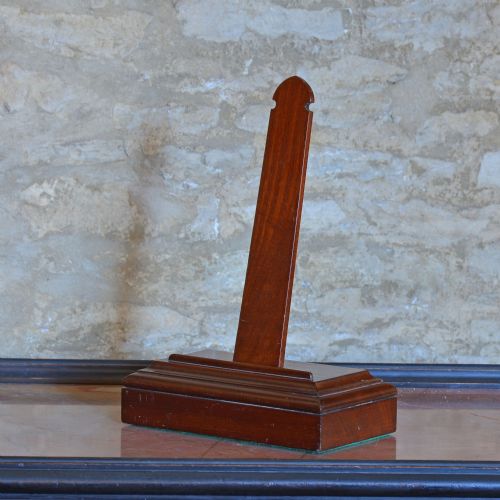
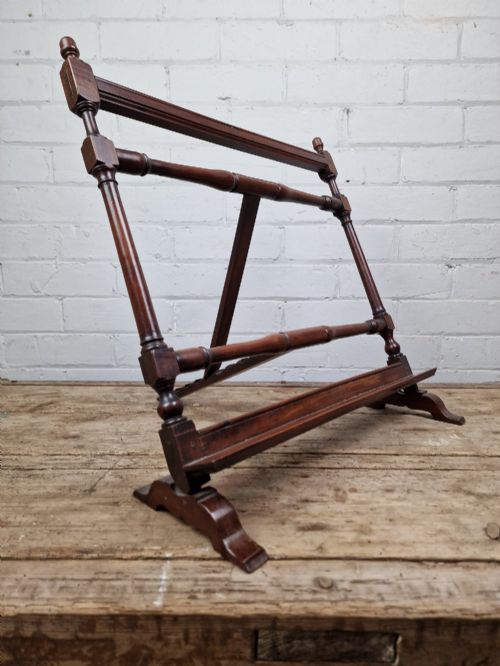
These mahogany book rest pieces are adjustable wooden reading supports designed to hold volumes steady, offering practical utility and period craftsmanship for the study or library.
Mahogany Book Rest
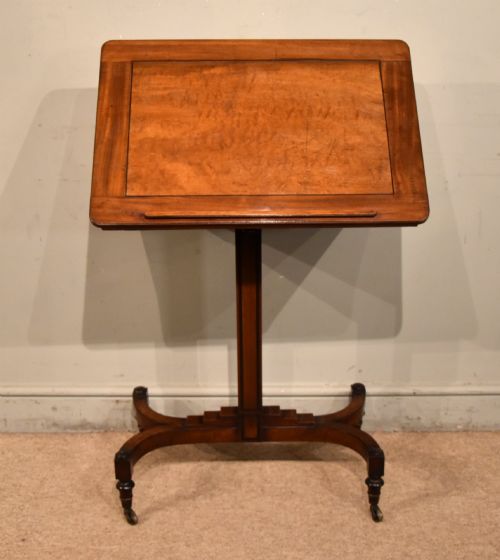
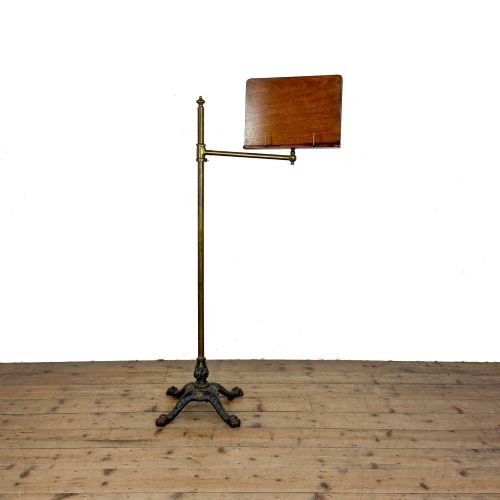
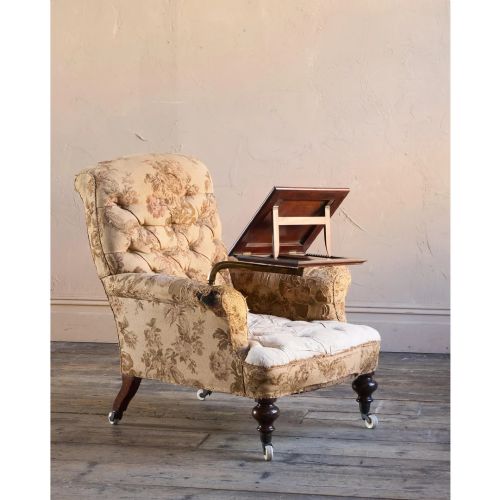
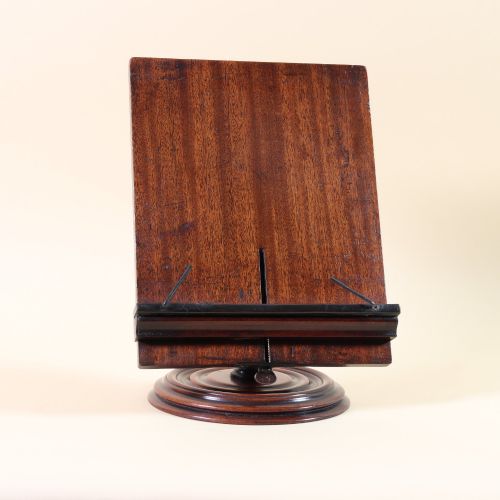
A mahogany book rest provides a stable surface for holding open volumes, appearing as table-top stands, extending desk units, and attachments for reading tables or armchairs. The pieces on this page span the eighteenth, nineteenth, and early twentieth centuries, reflecting changing domestic habits.
The Regency and Victorian eras dominate the selection, bringing architectural forms like Gothic Revival alongside utilitarian campaign items. Buyers frequently encounter desk-top folding rests and lectern styles designed for pianos or tables.
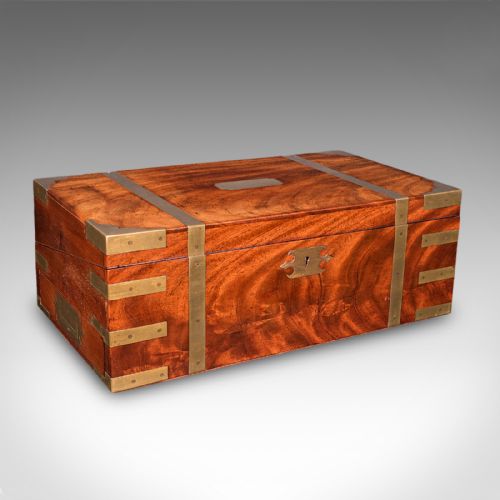
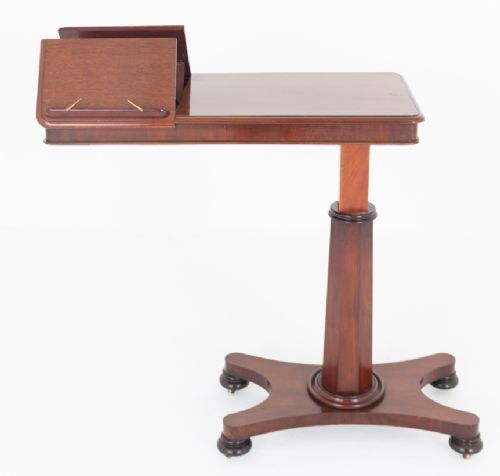
Beyond standalone desk rests, the category encompasses multi-functional library furniture, including writing slopes and reading tables fitted with adjustable book supports. These diverse objects share a primary purpose of supporting texts at convenient reading angles.
Materials and construction
Solid mahogany provides the structural framework for these pieces, selected for its rich grain and durability. Makers frequently combined this timber with brass hinges, ratchets, and extendable arms to allow angle adjustments.
Secondary materials such as felt, fabric, and ormolu appear on surfaces and mounts, protecting book bindings and adding decorative contrast. Metal components like cast iron and brass offer the necessary mechanical strength for moving parts.
Some book rests doubled as music stands for pianos, letting Victorians switch effortlessly from theology to chopines.
Assessing quality and craftsmanship
The sophistication of the mechanical adjustment mechanism distinguishes finer examples from simpler desk accessories. Smoothly operating brass ratchets, folding supports, and secure extending actions indicate superior workshop execution.
Timber selection and joinery detail define the upper tier of these objects, where finely figured mahogany and intricate fretwork or parquetry showcase the maker's skill. Robust construction ensures that moving ledges and hinges withstand repeated adjustment over generations.
Harrods
The Mahogany Book Rest Glossary
- Lutrin
- A desk or stand designed to hold a book for reading, often synonymous with a lectern. These typically feature an inclined surface.
- Reading slope
- An angled desk surface designed for writing or reading correspondence. Many include ledges to prevent books from sliding.
- Gothic Revival
- A nineteenth-century style drawing inspiration from medieval architecture. Pieces in this aesthetic often incorporate pointed arches and heavy tracery.
- Regency
- An early nineteenth-century design period characterised by classical restraint and influence from antiquity. Furniture from this time often displays clean lines and dark mahogany timbers.
- Campaign writing slope
- A portable box used by travellers for writing and holding documents, frequently incorporating folding book rests and compartments.
Mahogany Book Rest: Frequently Asked Questions
How do adjustable book rests work?
These pieces utilise hinged wooden supports paired with brass ratchets or folding struts underneath the ledge. Lifting the main board allows the support arm to drop into successive notches, setting the reading angle.
Simpler folding designs rely on pivoting wooden struts that lock flat when not in use. This mechanical simplicity allows users to pack or store the stands easily.
Where were these stands used?
Victorian and Georgian households placed these supports on libraries tables, desks, and pianos to hold heavy folios and sheet music. Larger lectern styles stood independently or on large tables for study.
Smaller desk-top versions offered portability, moving easily between the drawing room and the study. Some examples integrated directly into reading tables or library armchairs.
How do I date a mahogany book rest?
Dating relies on stylistic clues and mechanical hardware, such as the transition from handmade brass screws to machine-threaded components during the nineteenth century. Regency pieces often display clean classical lines, while Victorian examples lean toward Gothic Revival or heavy turned supports.
Later twentieth-century items, including Art Deco variants, introduce simpler geometric forms and different surface finishes. Comparing the joinery and timber patination against known period pieces confirms the era.
Can these hold heavy books?
Most antique stands were built to support substantial ledgers, Bibles, and reference volumes safely. The solid mahogany ledges and sturdy brass ratchets bear considerable weight when the support strut is properly engaged.
However, delicate fretwork or miniature table-top easels suit lighter volumes and decorative plates better than massive dictionaries. Checking the thickness of the ledge and the strength of the hinges ensures safe usage for heavier texts.