

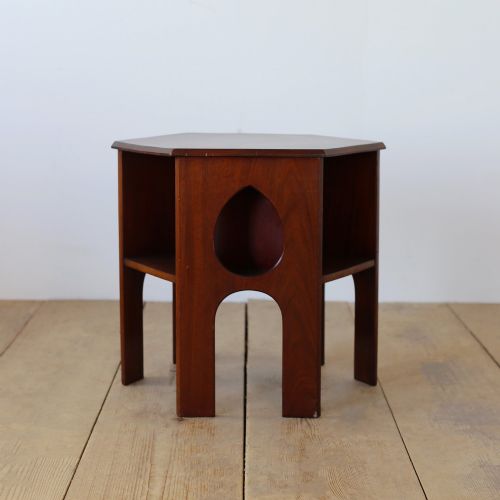
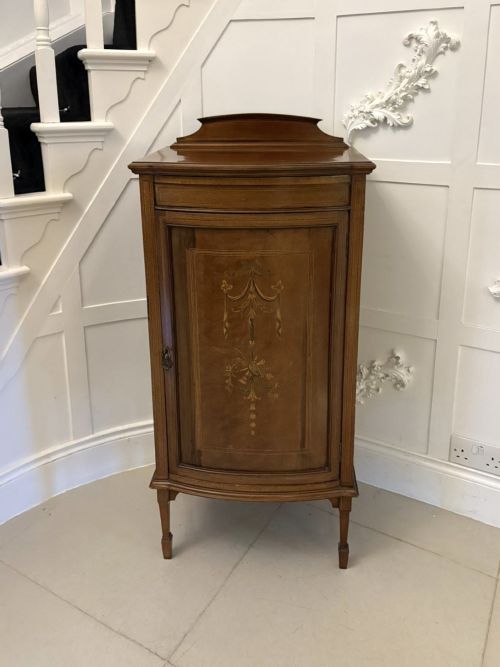
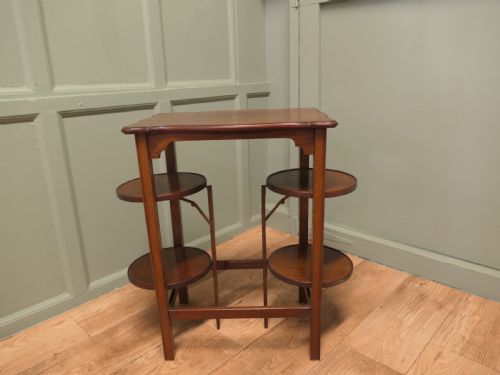
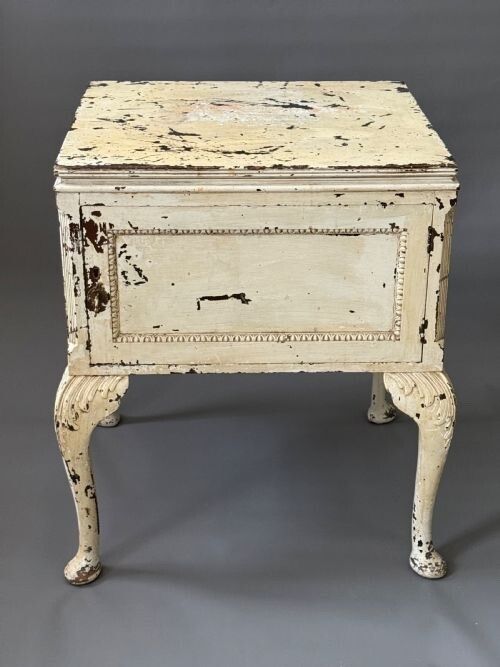




Mahogany Accent Cabinet
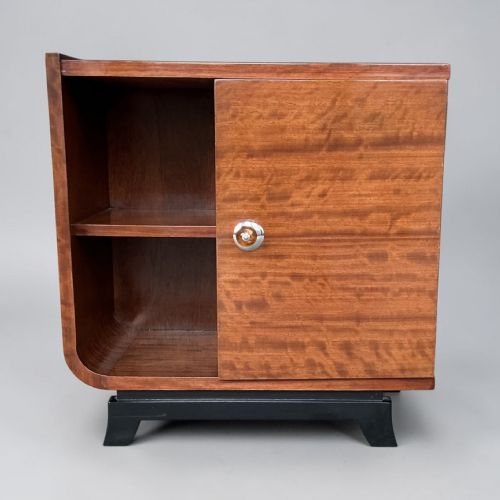
These mahogany accent cabinets span periods from George III to Art Deco, offering practical surface space and period character.
Mahogany Accent Cabinet
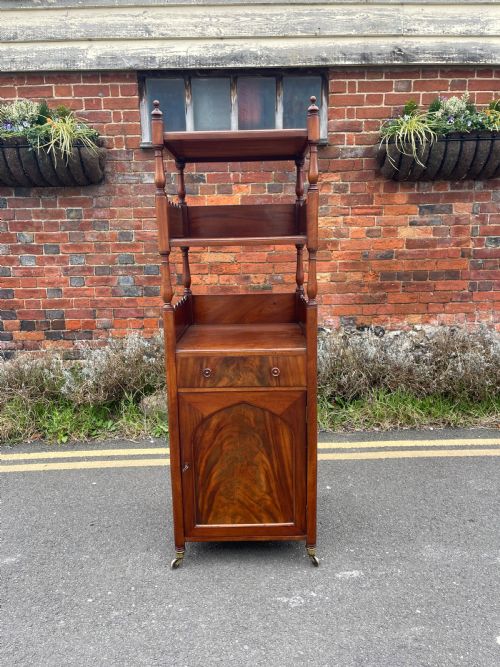
A mahogany accent cabinet serves as a versatile piece for storage and display across various rooms, drawing on forms like side cabinets, bedside tables, and whatnot stands. Buyers searching for a mahogany accent cabinet encounter examples ranging from 19th-century utility to Edwardian display pieces and French Art Deco designs.
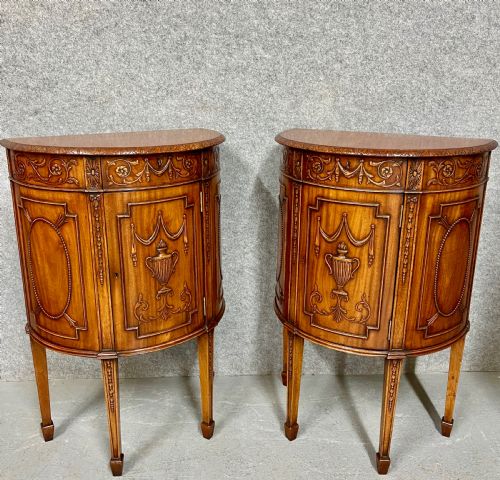
The selection includes occasional tables, display cabinets, and smaller sideboards that incorporate timber frames with functional shelving or cupboard bases. These items suit domestic spaces requiring compact surface areas combined with traditional cabinetry.
Origins stretch from George III designs through Victorian and Edwardian periods up to the 1930s, showing shifts in domestic furniture fashion over more than a century. The construction prioritises timber utility alongside decorative elements appropriate to each specific era.
Markers of quality
Superior examples display precise timber selection, featuring well-matched mahogany grains and crisp execution of inlaid satinwood details rather than printed or superficial decoration. The integration of secondary materials like marble tops, cast brass hardware, and bevelled glass indicates higher workshop standards.
Construction methods distinguish finer pieces, visible in tight joints, stable drawer construction, and the refined shaping of elements such as bow fronts or kidney bean profiles. Cabinets retaining original glass, uncompromised veneer work, and intact hardware represent the upper tier of surviving stock.
Mahogany Accent Cabinet Retail Price Guide 2026
Typical asking prices for mahogany accent cabinet among the pieces listed under this phrase on Sellingantiques today, from the lower quarter to the upper quarter. They describe what is for sale here now, not the wider market.
The furniture forms include occasional tables, display cabinets, bedside chests, and multi-tiered étagères.
The Mahogany Accent Cabinet Glossary
- Mahogany
- A durable reddish-brown tropical hardwood favoured for fine cabinetry due to its stability and rich grain. It takes a high polish and accepts intricate carving or inlay.
- Satinwood inlay
- A decorative technique where lighter contrasting wood is inserted into the mahogany surface to form patterns. This detail frequently characterises Edwardian pieces.
- Ormolu
- Gilded bronze mounts applied to furniture for decorative effect, commonly found on French revival pieces. The metalwork adds ornate metallic contrast to dark timber surfaces.
- Whatnot
- An open-shelved piece of furniture designed for displaying ornaments or books. These multi-tiered units appeared in various heights throughout the nineteenth century.
- Dumb waiter
- A tiered serving table or stand utilised for holding dishes or display items. Examples range from revolving stands to stationary multi-shelf units.
Mahogany Accent Cabinet: Frequently Asked Questions
How do I style a mahogany accent cabinet?
Position the piece in a hallway, living room, or bedroom where its surface provides functional space for lamps, books, or decorative objects. Smaller cabinets and tables integrate easily beside seating or against empty wall spaces.
Keep surrounding decor complementary to the rich timber tones and period style, allowing the cabinet to function as a focal point without cluttering the room.
Where were these cabinets placed originally?
These pieces served multiple functions across the home, acting as bedside tables, lamp stands in reception rooms, or display units for collections in parlours. Smaller tables and étagères filled corners and alcoves that lacked built-in furniture.
Dining rooms and hallways also utilised dumb waiters and side cabinets for serving and storage convenience during the nineteenth and early twentieth centuries.
How do I identify the period of a cabinet?
Examine the overall silhouette, decorative motifs, and hardware to determine the era of manufacture, comparing George III, Victorian, Edwardian, and Art Deco design traits. Structural clues such as drawer dovetailing and secondary woods often corroborate the stylistic period.
Cabinet forms shifted from austere Georgian utility through ornate Victorian and inlaid Edwardian styles to the clean geometries of 1930s Art Deco.
Are these cabinets suitable for daily use?
Solid timber construction and sturdy historical joinery render these items robust enough for contemporary domestic environments. Routine placement away from direct heat sources maintains the condition of the wood and polish.
Gentle cleaning with appropriate timber care products preserves the surface finish without altering the patina developed over decades of existence.