




Low Wooden Hearth Stool
A low wooden hearth stool is a compact fireside seat designed for warmth and comfort, built from timber and textiles to sit beside the grate.
Low Wooden Hearth Stool
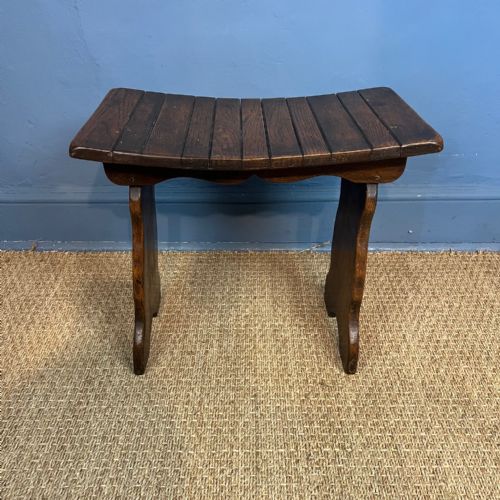
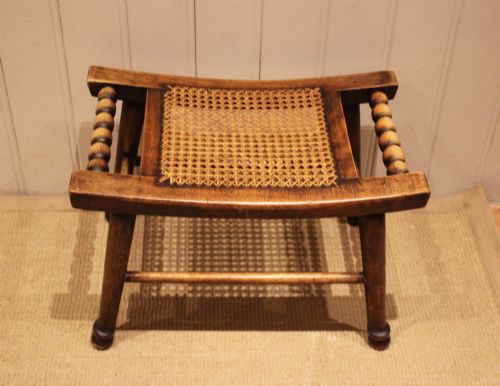
A low wooden hearth stool provides a practical seat near the fire, taking the form of a small footstool or a long fender stool designed to fit the hearth. Most examples on this page date from the eighteenth and nineteenth centuries, spanning Georgian and Victorian periods.
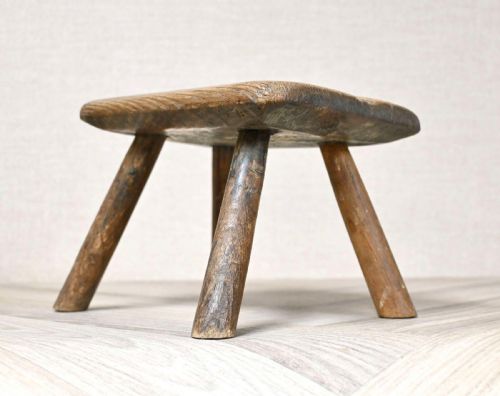
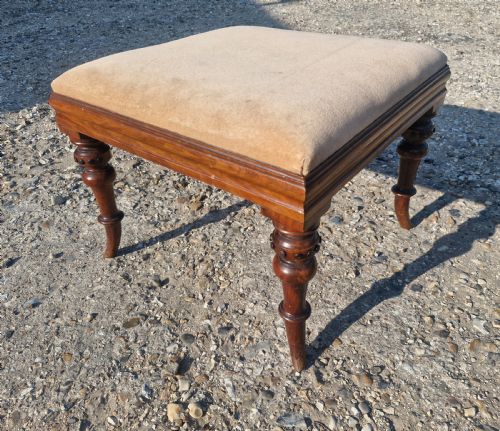
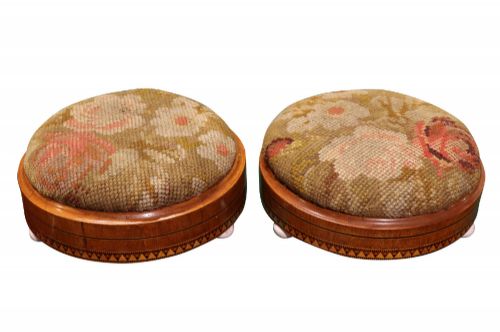
The materials used across these pieces include oak, walnut, mahogany, elm, and beech, often paired with traditional seating surfaces like cane, rush, or needlepoint tapestry. Forms range from rustic country primitives to formal carved walnut and mahogany designs on cabriole legs.
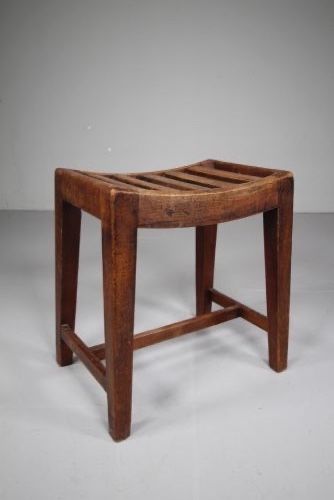
Buyers will encounter simple slatted stools, carriage stools with tweed upholstery, and long fender stools intended to rest against a stone fireplace surround. These low seats reflect both everyday domestic utility and finer period craftsmanship.
What varies in quality
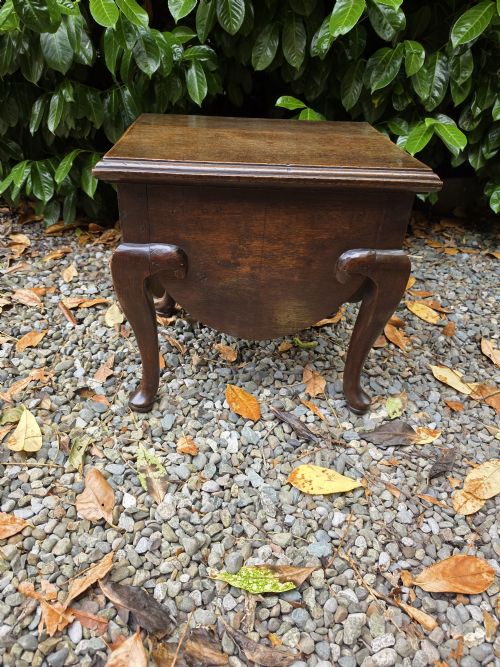
Quality depends upon the choice of timber and the crispness of the carpentry, from plain country work to refined cabinetmaking with carved detail or shaped slatted tops. Finer examples display balanced proportions, elegant cabriole legs, and well-executed joinery.
The integrity of the seating surface also dictates worth, whether an original needlepoint tapestry, intact rush, tight cane work, or solid timber. Superior pieces retain their original surface patination and structural cohesion without excessive modern intervention.
Low Wooden Hearth Stool Retail Price Guide 2026
Typical asking prices for low wooden hearth stool among the pieces listed under this phrase on Sellingantiques today, from the lower quarter to the upper quarter. They describe what is for sale here now, not the wider market.
Some nineteenth-century carriage stools were built specifically to keep wealthy travellers warm and steady inside horse-drawn coaches.
The Low Wooden Hearth Stool Glossary
- Hearth stool
- A low seat placed near a fireplace for sitting or resting feet. These pieces are typically long and low to fit comfortably before the grate.
- Cabriole leg
- A furniture leg that curves outward and then tapers inward, common on eighteenth-century and revival seating. This form derives from animal limbs.
- Fender stool
- A long, narrow stool designed to sit outside a metal fireplace fender. They provide fireside seating without blocking the warmth.
- Needlepoint
- Hand-stitched canvas embroidery utilised for historic upholstery. It adds colour and texture to the top of a footstool.
- Rush
- Dried marsh grass woven into durable seating mats. It appears on country stools for a textured, natural finish.
Low Wooden Hearth Stool: Frequently Asked Questions
What is a hearth stool used for?
A hearth stool provides a low seat close to the fireplace for warming feet or resting near the fire. They sit low to the ground to stay beneath the direct draft and warmth of the chimney.
Historically, these pieces also served as carriage footstools or casual extra seating in crowded period rooms. Today, they function as decorative footrests or low coffee tables in traditional living spaces.
How do I date an antique stool?
Dating relies upon timber selection, tool marks, joinery methods, and the style of the legs or upholstery. Eighteenth-century examples often feature dense mahogany or oak with hand-cut joinery.
Victorian pieces frequently display walnut, ebonised finishes, or revival carving styles like Rococo or Gothic. Comparing the construction details with dated periods helps establish the age of the piece.
Are these stools comfortable to use?
Many period stools feature traditional padding, springs, or supportive webbing beneath original textiles like tweed and needlepoint. They provide firm, upright support rather than deep lounge comfort.
Unupholstered timber, cane, and rush versions offer a firm surface suited for resting feet or sitting briefly. Their low height makes them ergonomic companions to low armchairs and fireside chairs.
How do I care for wooden stools?
Keep wooden frames away from direct heat sources and strong sunlight to prevent the timber from drying out or splitting. Regular dusting with a dry cloth protects the historic polish and surface patination.
Protect textile and cane surfaces by avoiding excessive moisture and vacuuming gently with a soft brush attachment. Maintaining stable indoor humidity preserves both the wood and the historic upholstery.