
Low Wooden Chest
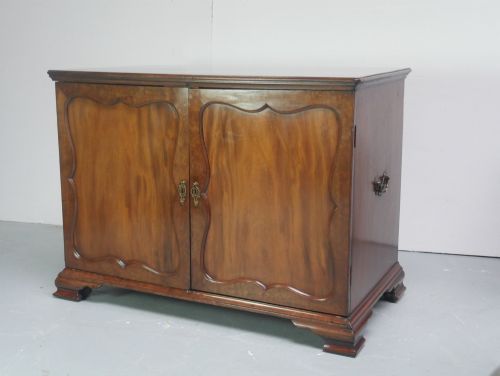
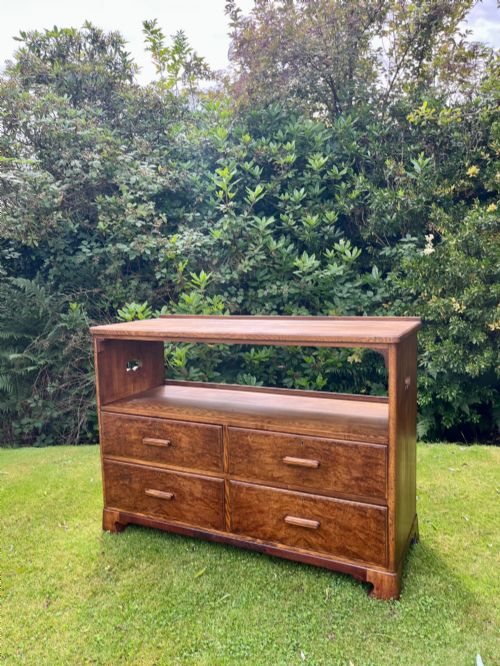
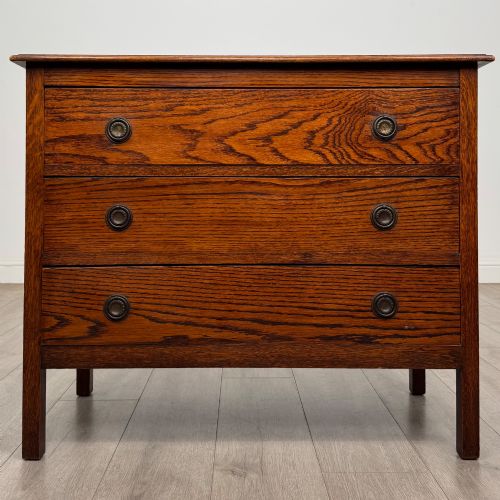
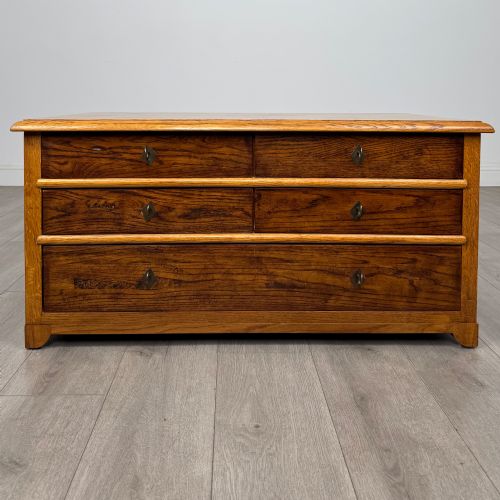
A low wooden chest offers practical storage with a grounded silhouette, spanning Georgian elegance down to sturdy Victorian pine.
Low Wooden Chest
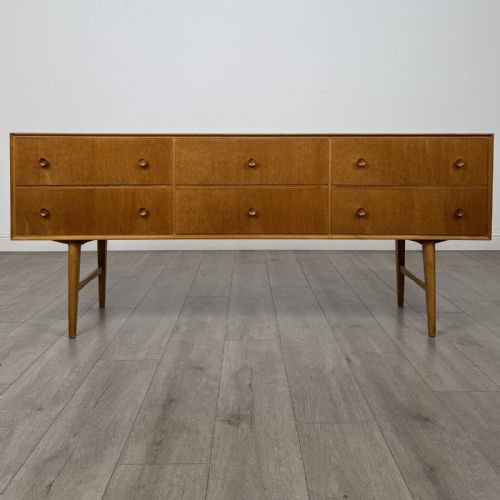
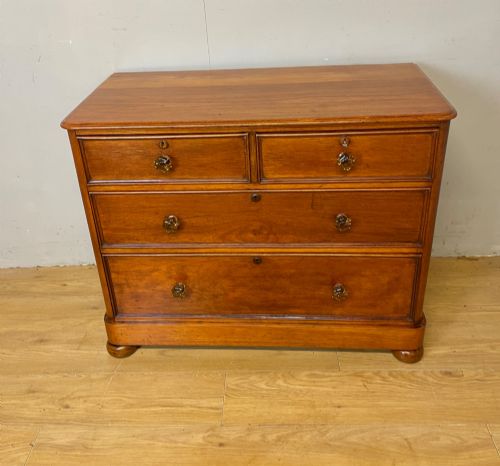
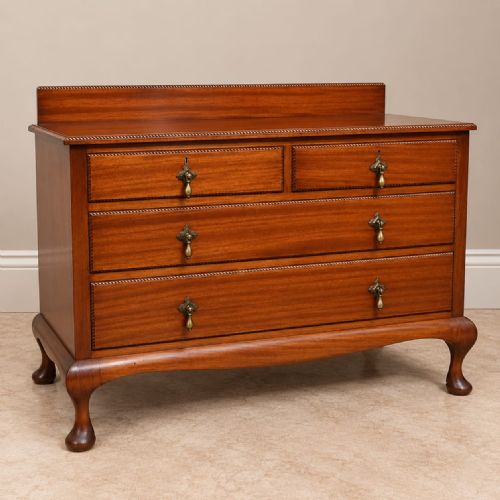
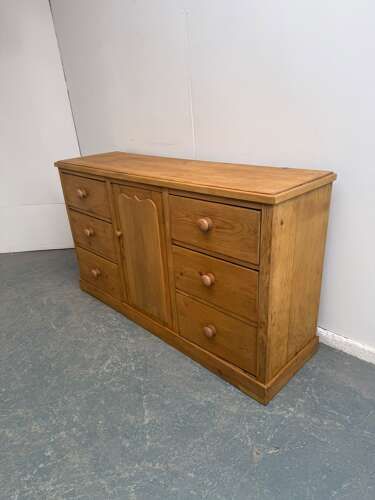
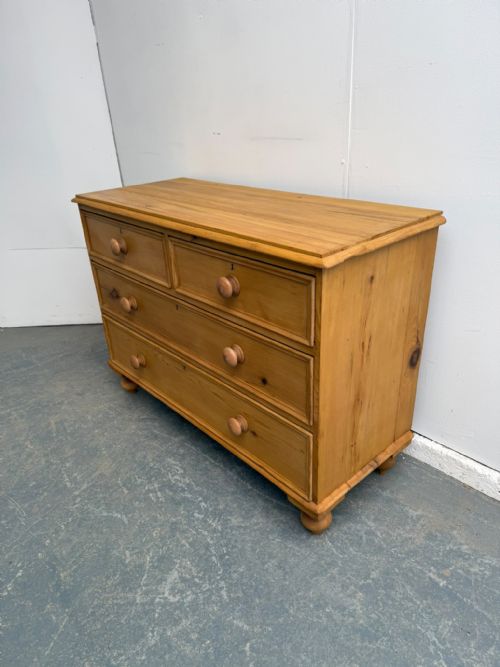
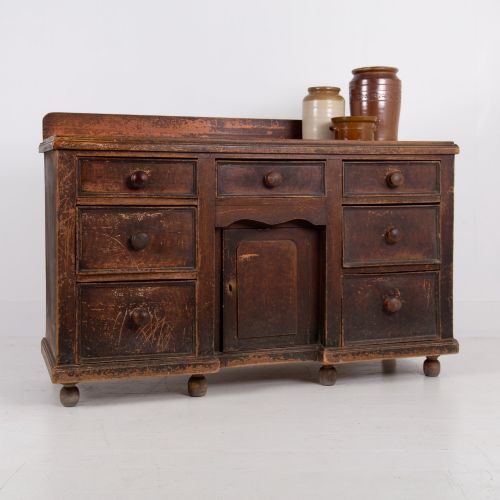
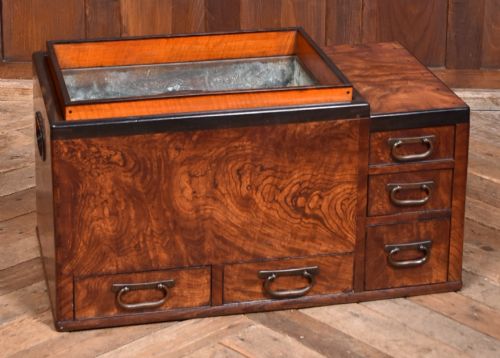
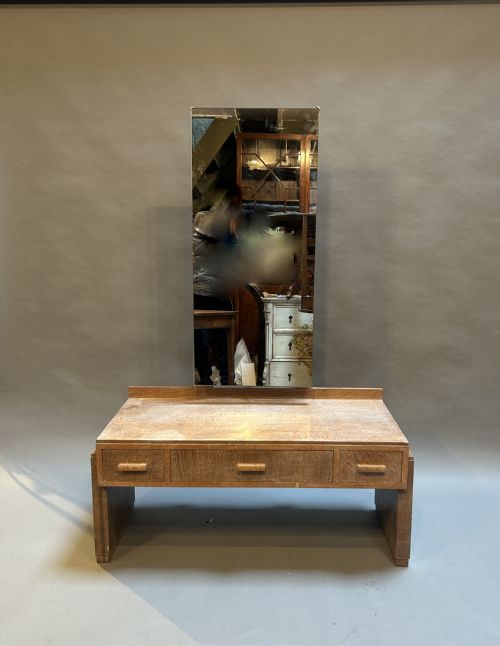
A low wooden chest serves as a practical storage piece that sits close to the floor, often taking the form of a chest of drawers, dresser base, or side cabinet. When you examine a low wooden chest, you will find examples originating across the eighteenth, nineteenth, and early twentieth centuries.
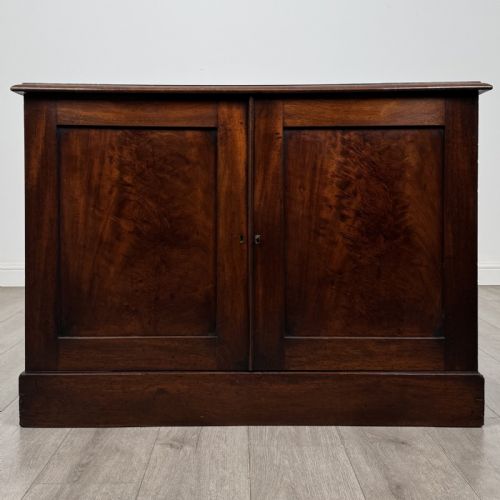
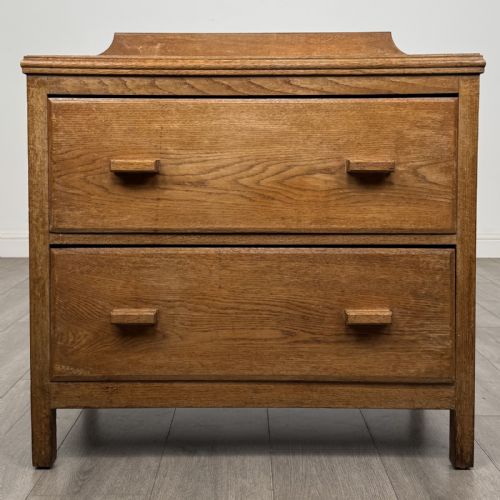
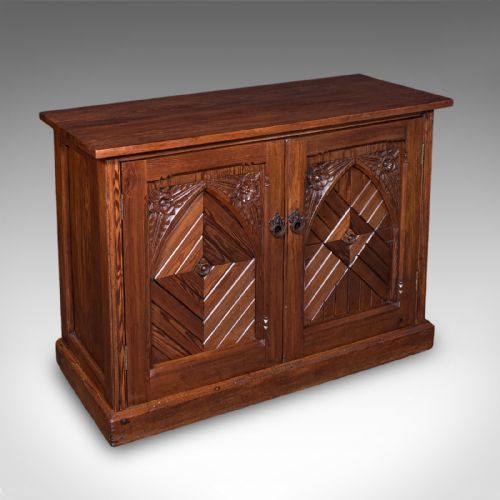
The selection ranges from compact Victorian mahogany drawers and Edwardian oak designs to eighteenth-century painted dresser bases and Georgian linen cupboards. Pine pieces frequently appear in waxed finishes, whilst walnut and fruitwood bring finer grain patterns to the selection.
Materials and construction
Cabinet makers utilised solid timbers such as oak, mahogany, walnut, pine, elm, and fruitwood, often selecting denser woods for structural resilience and decorative grain. Brass hardware such as swing handles and escutcheons frequently complement the wooden bodies.
Joinery methods varied according to the period, from eighteenth-century carved oak framing to nineteenth-century dovetailed drawer construction. Surfaces received wax, polish, or original paint finishes to protect the timber over decades of domestic use.
Regional workshop practices appear in everything from country pine dressers to refined Edwardian combination wardrobes.
Assessing quality and character
Quality rests in the selection of timber and the integrity of the original construction, where well-figured mahogany or aged oak marks a superior piece. The retention of original brasses, backboards, and surface finishes separates honest examples from heavily restored ones.
Proportion and scale dictate the visual appeal of these low cabinets, with refined proportions on Georgian batchelors chests contrasting against the utilitarian build of country dressers. Drawer movement and tight joinery reflect the underlying competence of the original maker.
Heals·WC Burt·Whytock and Reid
The Low Wooden Chest Glossary
- Lowboy
- A small oak, walnut, or fruitwood dressing table or side table featuring drawers, typically raised on tall legs. These pieces date predominantly from the eighteenth century.
- Batchelors chest
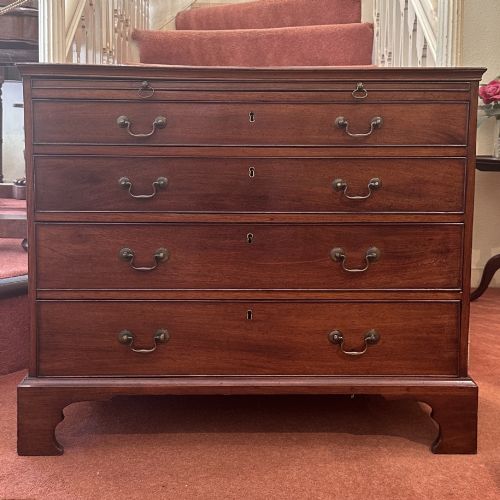
- A compact drawer chest featuring a pull-out brushing slide above the main drawers. It gained popularity during the Georgian period for domestic use.
- Dresser base
- The lower section of a kitchen or dining room dresser, often fitted with drawers and cupboards. They served as primary working surfaces in older domestic spaces.
- Dovetail
- A traditional interlocking joint used at the corners of drawers to secure the sides to the front and back. Its neatness often indicates the skill of the cabinet maker.
Low Wooden Chest: Frequently Asked Questions
What rooms suit a low wooden chest?
These compact chests fit easily into bedrooms, hallways, or living spaces where standard tall furniture would overwhelm the floor plan. Their reduced height also allows the top surface to function comfortably for display.
Placed beneath windows or alongside seating, they provide accessible storage without blocking natural light or obstructing circulation through the room.
How do I date a wooden chest?
Dating relies on observing timber choices, construction techniques, and hardware styles across different eras. Eighteenth-century pieces often display pegged oak or figured walnut, while Victorian examples frequently utilise mahogany or pine.
Secondary woods inside drawers, backboards, and the type of fixings also offer reliable clues to the decade of manufacture. Comparing these elements against known period traits confirms the age.
Are pine chests durable?
Pine provides a sturdy and resilient structure that has survived generations of heavy domestic service in kitchens and bedrooms. Waxed finishes nourish the softwood and help it absorb everyday wear gracefully.
Though softer than oak or mahogany, seasoned pine develops a warm patina that conceals minor bumps and highlights its rustic origins.
What is a brushing slide?
A brushing slide is a pull-out wooden shelf integrated just beneath the top surface of certain Georgian and Victorian chests. It provided a clean surface for brushing clothes or folding garments.
Cabinet makers designed these slides to tuck away invisibly when not in use, adding versatile functionality to compact furniture.