




Low Wooden Centre Table
A low wooden centre table grounds a room with warmth and proportion, offering a surface for daily life that carries generations of craftsmanship.
Low Wooden Centre Table
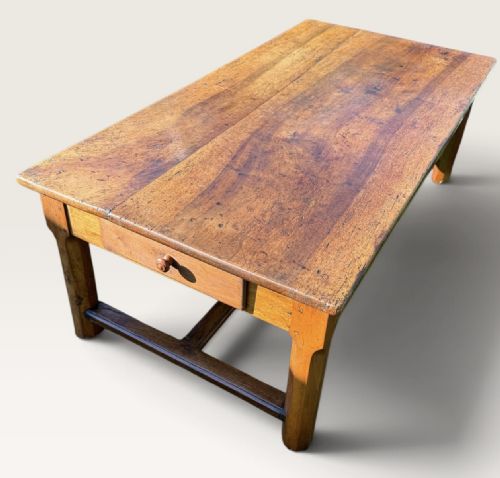
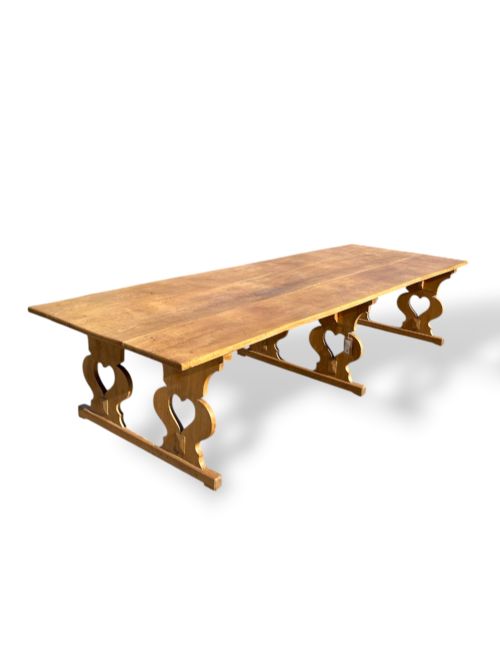
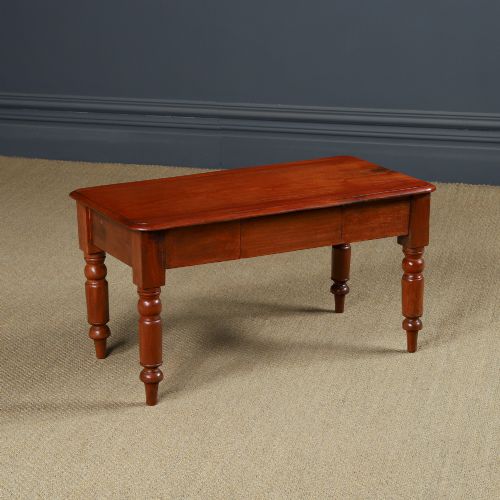
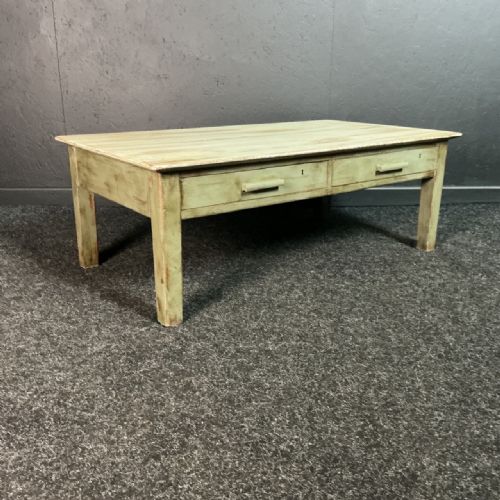
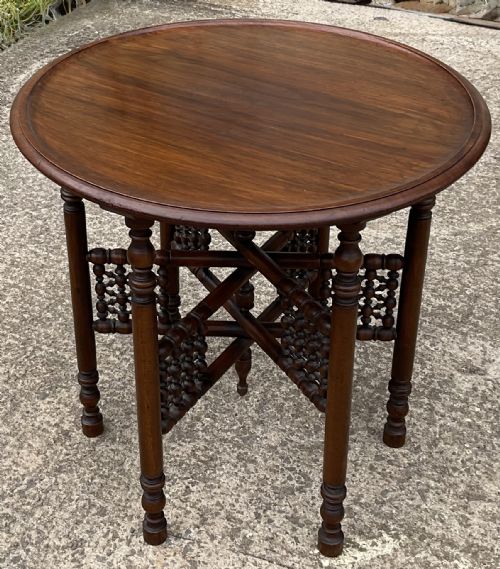
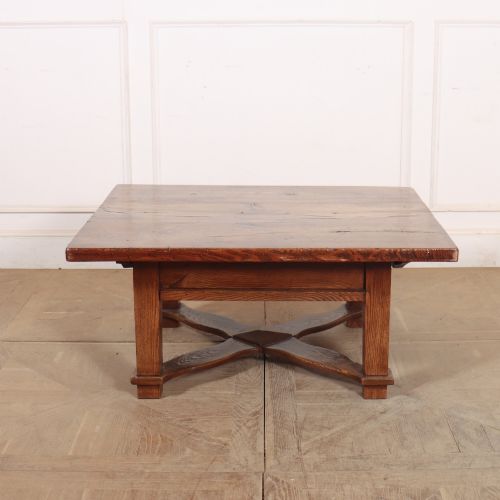
A low wooden centre table brings historical character and a grounded presence to a seating area. These pieces span coffee tables, occasional tables, and adapted low tables sourced from various periods.
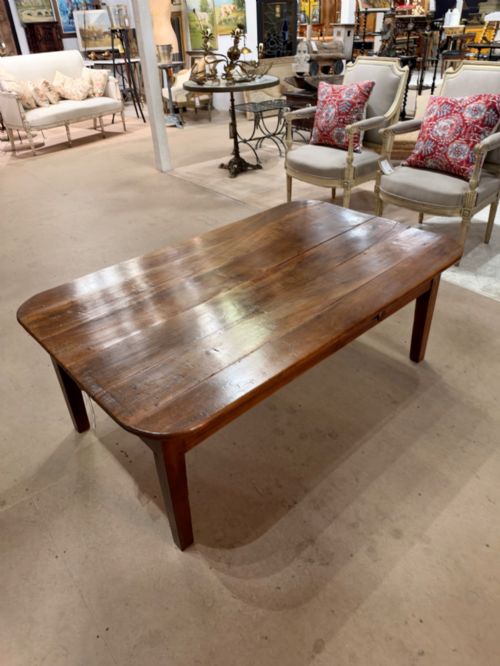
The selection ranges from nineteenth-century English mahogany and Victorian walnut pieces to eighteenth-century Austrian elm and French farmhouse oak. Buyers most frequently encounter nineteenth-century walnut and mahogany examples alongside twentieth-century walnut and oak iterations.
Makers adapted traditional centre tables and occasional forms to suit lower domestic proportions, creating functional surfaces with distinct regional styles. Pieces from French provincial workshops, English cabinet makers, and Indian trades all contribute to the variety found here.
Materials and construction
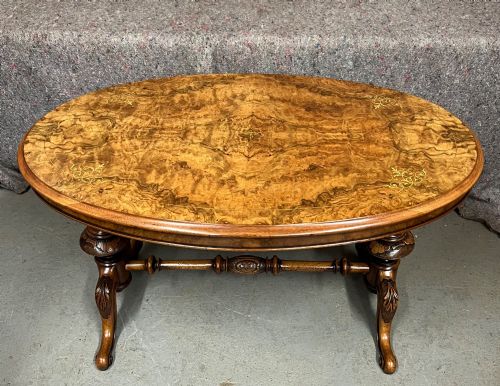
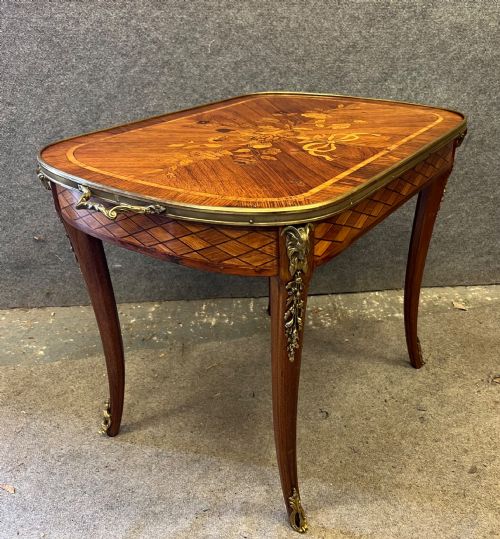
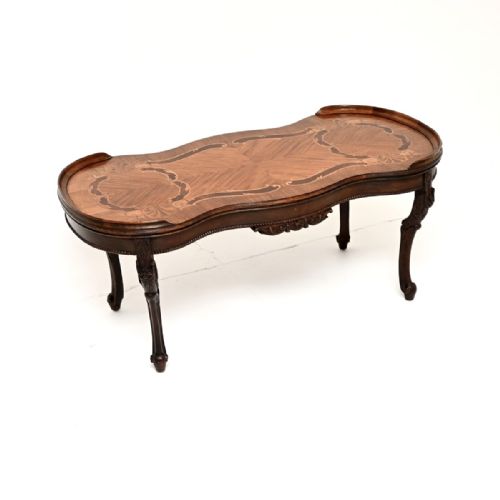
Cabinet makers utilised dense hardwoods including walnut, mahogany, oak, and fruitwood to construct stable frames and durable tops. Timbers were selected for grain pattern and figure, often enhanced with burr veneers, oyster veneers, or intricate marquetry inlay.
Joinery methods combined traditional hand-carved bases and turned legs with secure frame construction to support heavy timber and marble tops. Surface treatments ranged from polished French finishes and ebonising to original painted decoration.
Low Wooden Centre Table Retail Price Guide 2026
Typical asking prices for low wooden centre table among the pieces listed under this phrase on Sellingantiques today, from the lower quarter to the upper quarter. They describe what is for sale here now, not the wider market.
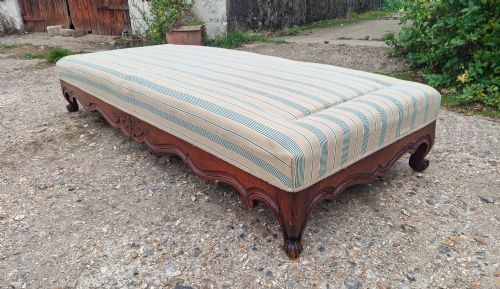
Several tables began life as working Indian bullock carts before finding retirement as coffee tables.
Defining quality
Quality rests in the selection of timber and the precision of the joinery rather than the mere age of the piece. Figured veneers, such as burr walnut or flame mahogany, demonstrate superior material choice by the maker.
The refinement of hand-carved details, the integration of inlaid marquetry, and the stability of the turned legs distinguish finer examples. Superior tables maintain structural integrity alongside crisp detail in the woodwork.
The Low Wooden Centre Table Glossary
- Marquetry
- The art of applying pieces of veneer to a structure to form decorative patterns. This technique appears on many tabletops in this selection.
- Oyster veneer
- Cut transversely from smaller branches to create circular or oval patterns resembling oyster shells. This decorative cutting method is seen on specific walnut surfaces.
- Pie crust
- A carved, raised, and scalloped edge detail on a circular tabletop. This styling provides a tactile border to the timber surface.
- Takhat
- A low Indian seating platform or table adapted for Western interiors. These pieces often feature substantial woodwork and traditional joinery.
- Biedermeier revival
- A nineteenth and twentieth-century style focusing on utilitarian comfort and clean lines without excessive ornamentation. Walnut and elm are typical timbers for this aesthetic.
Low Wooden Centre Table: Frequently Asked Questions
How do I style a low wooden centre table?
Pair the table with seating that allows comfortable reach from surrounding sofas or armchairs. Keep the surface uncluttered to let the timber grain and inlay work remain visible.
Balance taller decorative objects with lower books or bowls to maintain proportion against the tabletop. Consider the height of the piece in relation to surrounding seat cushions.
What is the difference between a coffee table and a centre table?
Centre tables traditionally stood in the middle of a room for display or lamps at standard height. Many pieces in this category were later adapted or made low to serve modern seating arrangements.
Coffee tables were specifically constructed to sit at a lower level from their inception. Both forms utilise similar hardwoods and decorative techniques.
How do I care for antique wood surfaces?
Protect the timber from direct sunlight and steady heat sources to prevent the wood from drying or splitting. Use coasters and mats to shield polished finishes from moisture and heat.
Apply traditional wax polish occasionally to nourish the grain and maintain the lustre of walnut or mahogany. Avoid chemical sprays that can degrade historic finishes.
How can I tell the period of a wooden table?
Examine the timber species, construction methods, and tool marks visible on the underside and frame. Victorian pieces often employ dense mahogany or walnut with hand-carved details, while eighteenth-century examples show earlier regional joinery.
Compare the style of the legs and tabletop edge against documented periods like Art Deco or French provincial. Inlaid patterns and veneer thickness also offer clues to the date of manufacture.